
FAA Ground Stop Causes Second-Highest Flight Cancellation Count of 2026
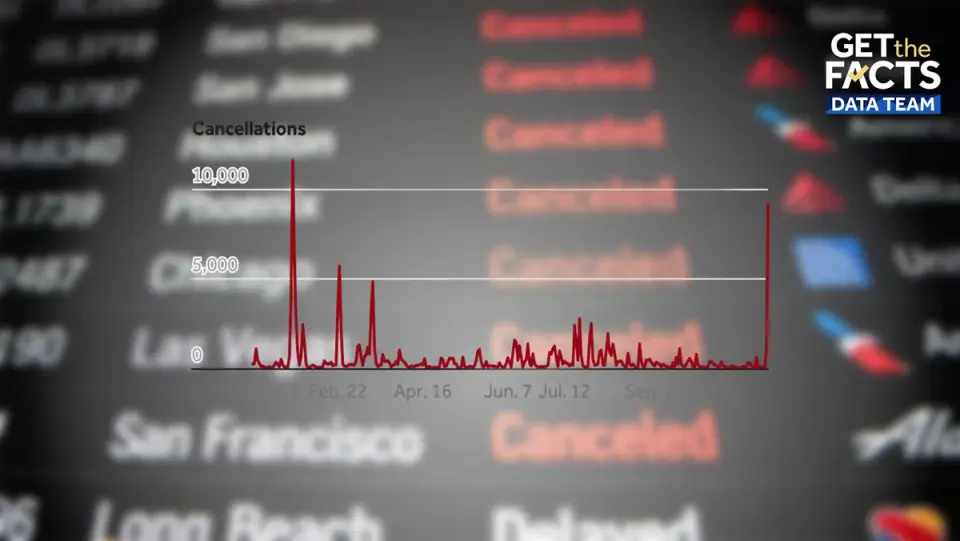
A nationwide FAA ground stop on November 13, 2026, resulted in over 9,100 canceled flights, marking the second-highest cancellation count of the year. The disruption, attributed to a telecommunications outage affecting Air Route Traffic Control Centers, lasted approximately four to five hours and spilled into Saturday, canceling an additional 3,700 flights. While officials ruled out a cyberattack, the incident highlighted vulnerabilities in aging infrastructure and triggered demands for emergency funding.
Key points
- The November 13 ground stop caused over 9,100 flight cancellations, the second-highest total of 2026, surpassed only by a January winter storm that canceled 11,500 flights.
- More than 7,200 flights were delayed on Friday, with over 3,700 additional cancellations recorded by 9 a.m. EST on Saturday.
- The FAA attributed the halt to a 'temporary telecommunications outage' impacting Air Route Traffic Control Centers, with some areas reaching 'ATC Zero' status.
- Homeland Security Secretary Markwayne Mullin stated there is no indication of a national security threat or cyberattack, though he declined to rule out all causes initially.
- The incident occurred shortly after a global Microsoft outage, which officials confirmed was unrelated to the aviation disruption.
Background
This event follows previous coverage noting that the November 13 ground stop was the first nationwide halt since 2001, exposing vulnerabilities in aging air traffic control infrastructure. Earlier reports indicated the disruption lasted approximately five hours and led to political debates regarding $50 billion in emergency funding for aviation systems. The current data confirms the scale of the disruption, placing it as the second-worst cancellation event of the year behind the January 25 winter storm.
How outlets are covering it
WTAE emphasizes the statistical impact, highlighting that the November 13 event was the second-highest cancellation count of the year based on FlightAware data. CNN focuses on the operational and political response, detailing the 'ATC Zero' status, the lack of a resolution timeline, and the administration's insistence that the outage was not a cyberattack or connected to the preceding Microsoft outage. While WTAE provides quantitative comparisons to other delays, CNN details the immediate confusion among travelers and the official denials of malicious intent.
Why it matters
The ground stop underscores the fragility of the U.S. aviation infrastructure, as a single telecommunications failure halted all domestic flights and caused significant economic and logistical disruption. The scale of cancellations, second only to a major winter storm, highlights the potential for widespread impact from technical failures in air traffic control systems, prompting renewed scrutiny of infrastructure funding and maintenance.
What to watch
Investigations into the root cause of the telecommunications outage are ongoing, with FAA technicians still examining the issue. The spill-over effects on Saturday's schedule may continue to impact travel, and the incident is likely to fuel further political debates regarding the allocation of emergency funding for aviation infrastructure upgrades.
- Charted: Here's how FAA ground stop compares to other flight cancellations, delays this year WTAE
- US aviation shutdown blamed on L3 Harris installed router Reuters
- What to Know About Continued Flight Disruptions The New York Times
- November 13, 2026 — Some US flights resume after hours-long ground stop CNN
- FAA ground stop throws sports world into travel chaos ahead of weekend games ESPN
Want the full story? Read the original reporting
Read on WTAE