
CVS Health to split into two firms by 2028, reversing Aetna merger
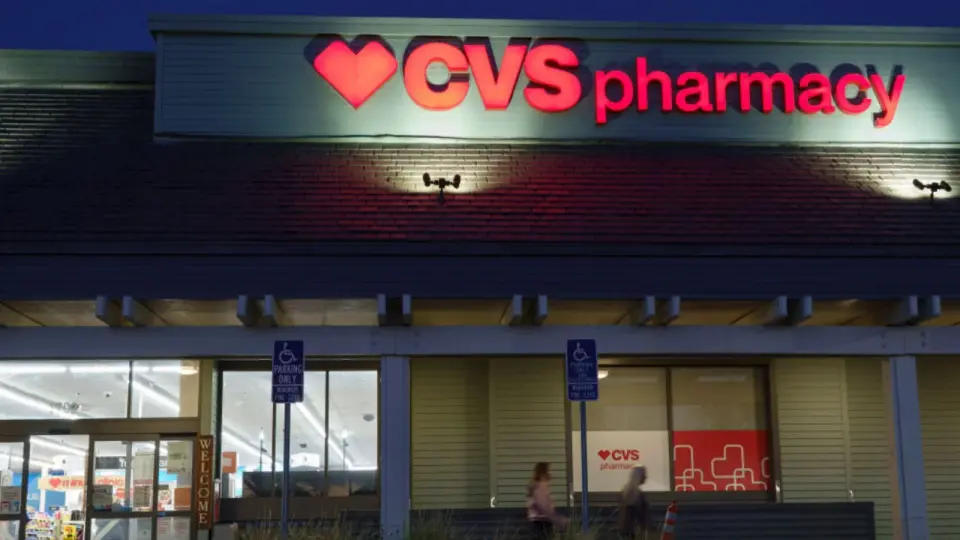
CVS Health announced it will divide into two separate public companies by the first half of 2028. The split separates its retail pharmacy network from its insurance and pharmacy benefit manager units, effectively reversing the 2018 acquisition of Aetna. While the move follows a strategic review, it also responds to regulatory scrutiny of vertically integrated healthcare firms. Shares initially rose but later fell 12% in midday trading, despite the company reporting higher third-quarter earnings and raised guidance.
Key points
- CVS Health will split into two companies: one for retail pharmacies and technology (CVS Pharmacy) and another for insurance and benefits (CVS Health).
- The separation is expected to close in the first half of 2028, subject to closing conditions.
- The move reverses the 2018 acquisition of Aetna for $69 billion and the 2007 merger with Caremark.
- David Joyner will lead the new CVS Health entity, while Prem Shah will head the new CVS Pharmacy unit.
- Shares fell 12% in midday trading after initially rising 3% pre-market, despite higher Q3 earnings and raised guidance.
Background
This split follows a strategic review by CVS Health's board and comes amid significant regulatory scrutiny of vertically integrated healthcare firms. The move also responds to political pressure and market consolidation concerns, as lawmakers and consumer advocates have criticized the dominance of large healthcare conglomerates. The company had previously faced challenges from consumers shifting to online channels, where it lags competitors like Amazon.
How outlets are covering it
Fierce Healthcare emphasizes the strategic rationale behind the split, noting that the move comes from a position of strength after years of investment in technology and leadership changes. CEO David Joyner stated that the separation allows both entities to adapt more nimbly to their unique goals. CNN, however, highlights the market's negative reaction, with shares falling 12% in midday trading. CNN also notes that the split marks a major step back from the trend of integrating insurers, pharmacy benefit managers, and providers into massive conglomerates, a trend that has faced criticism from consumer advocates and lawmakers. Additionally, CNN points out that the split may not significantly impact how people shop at CVS or what patients pay for prescriptions, as the pharmacy and insurance businesses have operated separately.
Why it matters
The split represents a significant shift in the healthcare industry, moving away from the consolidation of insurers, pharmacy benefit managers, and providers into large conglomerates. This move could have implications for patient costs, regulatory oversight, and the competitive landscape of the healthcare sector. It also reflects the challenges faced by large healthcare firms in adapting to changing consumer behaviors and regulatory pressures.
What to watch
The separation is expected to be completed in the first half of 2028, subject to closing conditions. Until then, CVS will continue to operate jointly. Investors will own shares in both companies in a tax-free transaction. The company will continue to be transparent about its progress during the separation process.
- CVS Health plans to split pharmacy business from Aetna, Caremark Fierce Healthcare
- CVS to Split Off Drugstore Business, Ending Its Bigger-Is-Better Era The New York Times
- CVS to break up $117 billion business, separating pharmacies from insurance; shares fall Reuters
- CVS to split into two companies, in major breakup of its $117 billion healthcare empire CNN
- CVS Stock Falls After Revealing Breakup Plan, Overshadowing Earnings Beat Barron's
Want the full story? Read the original reporting
Read on Fierce Healthcare