
UK Minister Urges Food Stockpiling Amid Record-Breaking El Niño Threat
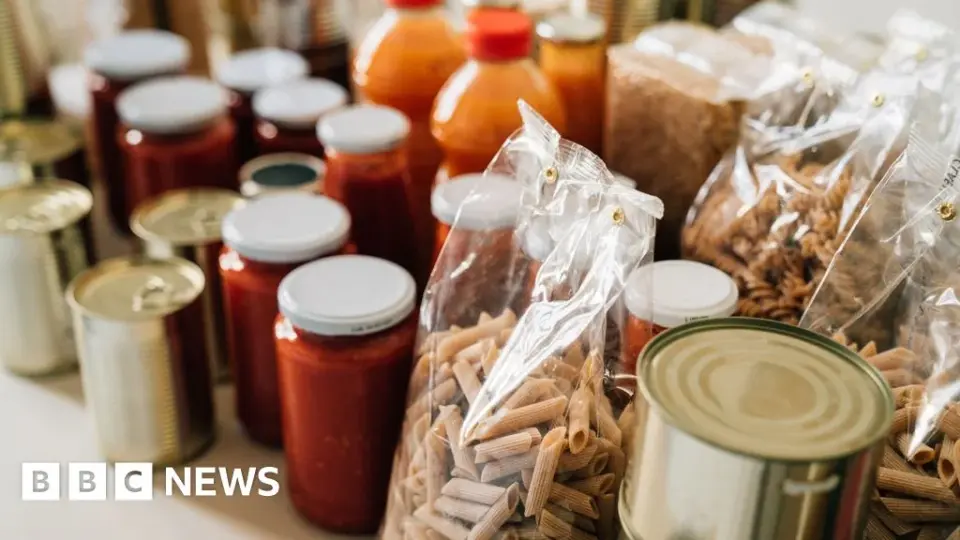
UK Environment Secretary Angela Eagle has advised households to stockpile food and water to prepare for extreme weather, citing the development of what forecasters describe as the strongest El Niño in a millennium. The National Audit Office (NAO) warned that the UK’s food supply chain is vulnerable to cyber-attacks and climate disruptions, noting that the government relies too heavily on the private sector. While the UN and World Meteorological Organization (WMO) confirm the event is 'supersizing' with ocean temperatures already 2.6°C above average, UK officials are preparing a national emergency strategy by late 2026 to improve household resilience.
Key points
- Dame Angela Eagle stated that the current El Niño will likely cause drier summers and wetter, stormier winters in the UK, necessitating household food reserves for emergency resilience.
- The National Audit Office (NAO) reported that UK food supply chains are at risk from cyber-attacks, disease outbreaks, and extreme weather, criticizing Defra for insufficient resilience improvements.
- WMO forecasts indicate the El Niño will peak around November with ocean temperatures reaching approximately 4°C above the 30-year average, potentially making 2027 the hottest year on record.
- The UK government plans to unveil a strategy by the end of 2026, urging citizens to take 'small but important steps' for emergency preparedness, similar to practices in Finland and Sweden.
- UN Secretary-General António Guterres described the situation as 'uncharted waters,' warning that the event is being 'supersized' by existing global warming, while the World Food Project estimates 50 million people may face acute hunger.
Background
Previous coverage in August and September 2026 highlighted growing concerns over the El Niño's unprecedented strength, with models projecting temperatures more than 4°C above average. Earlier reports noted that the event could disrupt global weather patterns, including wildfires in Indonesia and altered monsoon rains in India, while the UN warned of potential record-breaking heat in 2027. These earlier analyses emphasized the lack of historical validation for such extreme forecasts and the urgent need for climate action and adaptation strategies.
How outlets are covering it
While all sources agree on the severity of the El Niño, they emphasize different aspects. The BBC and The Guardian focus on the UK government's domestic response, specifically Angela Eagle's call for household stockpiling and the NAO's critique of private sector reliance. The UN News and WMO reports highlight the global scientific consensus, noting that the event is 'very strong' and may persist through February 2027, with a focus on international impacts like hunger and extreme weather. The Guardian provides specific data on ocean temperature anomalies (2.6°C currently, 4°C forecast), whereas the BBC focuses more on the policy implications and the NAO's findings regarding supply chain vulnerabilities.
Why it matters
The convergence of a record-strength El Niño and existing climate warming creates a high-risk scenario for global food security and infrastructure. For the UK, this signals a shift in government policy toward mandatory household preparedness, potentially changing consumer behavior and public spending. Globally, the event threatens to exacerbate hunger and extreme weather events, requiring unprecedented coordination among weather agencies and humanitarian organizations.
What to watch
The UK government is expected to unveil a national emergency preparedness strategy by the end of 2026, including public campaigns on food and water stockpiling. The El Niño is forecast to peak in November 2026, with potential impacts lasting into early 2027. The WMO is mobilizing national weather agencies to strengthen early-warning systems, while the UN continues to monitor the event's impact on global food security and extreme weather patterns.
- Stock up on food to prepare for extreme weather, minister warns BBC
- Minister tells Brits to stock up on days of supplies after ‘supersize’ El Niño warning The Guardian
- 'Supersized' El Niño may become strongest ever recorded, UN says reuters.com
- El Niño is surging. Months of extreme heat could follow UN News
- 9NEWS Colorado Winter Outlook: Snowy winter ahead? 9News
Want the full story? Read the original reporting
Read on BBC