
Greenland's Ancient Ice-Free Past Raises Concerns for Future Melting
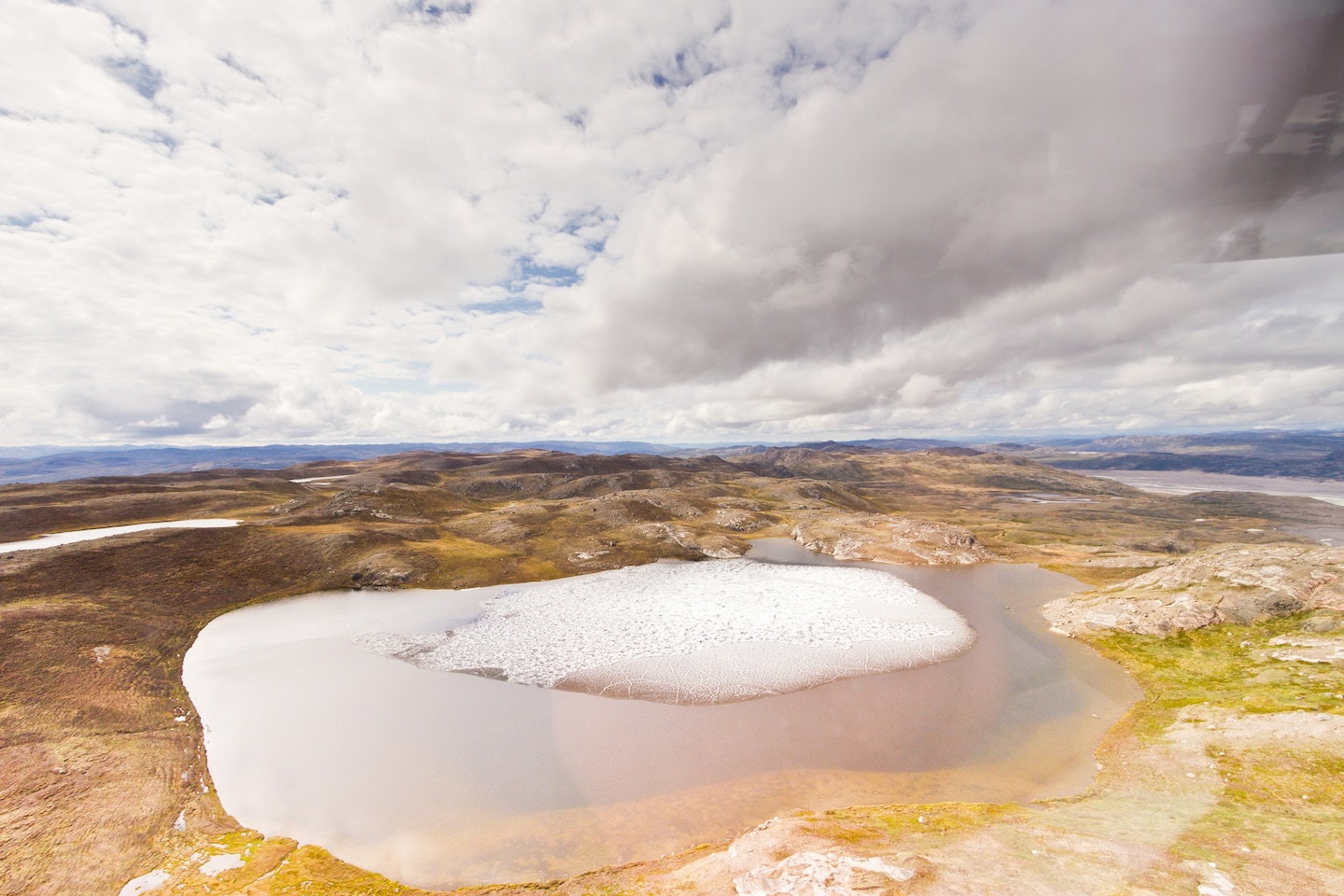
Ancient soil samples extracted from beneath the Greenland ice sheet reveal that a tundra ecosystem once thrived in the region around 416,000 years ago, during a period with similar temperatures to the present day. The findings suggest that Greenland lost a significant amount of ice under climate conditions resembling the current human-induced warming. If greenhouse gas emissions continue unchecked, coastlines could be submerged under several feet of sea level rise. The study highlights the vulnerability of Greenland's ice sheet and emphasizes the urgent need to reduce emissions to prevent irreversible damage to the planet and its population. The samples were obtained from a Cold War military facility, Camp Century, which inadvertently preserved the sediments.
- Ancient soil shows part of Greenland was ice-free — and could soon melt again, scientists say The Washington Post
- Long-lost Greenland ice core suggests potential for disastrous sea level rise CNN
- Greenland Melted Recently, Shows Higher Risk of Sea Level Rise University of Vermont
- Much of Greenland's ice could melt even if world doesn't get warmer New Scientist
- Greenland was actually ice-free and green less than half a million years ago KTBS
Reading Insights
1
10
6 min
vs 7 min read
92%
1,395 → 114 words
Want the full story? Read the original article
Read on The Washington Post