climate-change17.2 min read
Himalayan Melt Quickens, Threatening South Asia’s Water and Climate Stability
25 days ago•Source: Gizmodo

The latest climate change stories, each synthesized from multiple sources with added background and context.
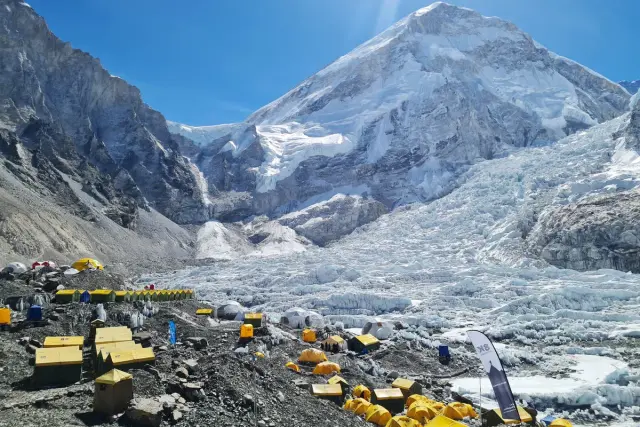
A Regional Environmental Change study links heat from Everest Base Camp—driven by cooking fuels, heaters and the daily urine output of climbers and staff, about 6,000 litres per day—to accelerated melting of the Khumbu Glacier, totaling roughly 2,492 tonnes of ice melted in a single spring season. The analysis estimates almost 850,000 megajoules of energy from camp activity and urine heat, notes warming at the camp outpaces the surrounding glacier, and warns the heavy human footprint on a rapidly retreating glacier is unsustainable, with relocation of the base camp proposed as a long-term option.
Gizmodo•2 months ago
Gizmodo•3 months ago

A yet-to-be-peer-reviewed Zenodo preprint estimates roughly 20,390 heat-related deaths across Europe during June 22–28, 2026, using a regional mortality model; France, Germany, Spain and Italy account for the largest shares. The figures align with reported excess deaths but remain preliminary, underscoring that even with adaptation, extreme heat remains a major mortality risk in a warming Europe.
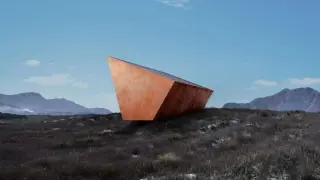
Australian nonprofit Rouser Lab is building Earth’s Black Box, a 52-foot monolith designed to continuously log data on planetary health from space agencies, weather services, and universities and store it as Earth’s Vital Index. Planned for installation at a remote Tasmanian airfield by December, the device aims to provide an objective real-time archive of events leading to environmental collapse to spur accountability and action, though critics note the abundance of open climate data and question its practical usefulness. The project also includes the Climate S.O.S. techno-obelisk concept that would transmit a distress call into space in hopes of attracting help from alien civilizations.
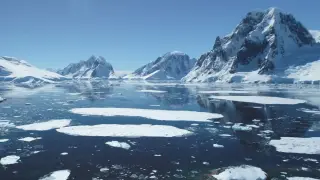
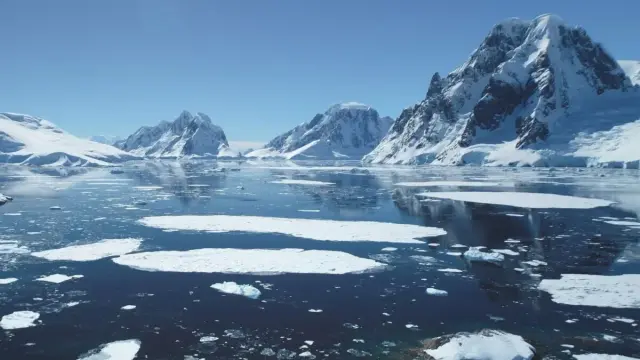
A winter heatwave on the Antarctic Peninsula pushed Esperanza base to 59.7°F (15.4°C) on June 6, smashing the prior winter record and running about 3.6°F (2°C) warmer than it has ever been in winter there, roughly 36°F (20°C) above the season’s norm. The extreme warmth, aided by sea-ice loss and albedo feedback, has caused rain instead of snow, accelerated ice melt, and raised concerns for local glaciers and wildlife as such events are expected to become more frequent with ongoing warming.
A Nature Climate Change study finds microplastics and nanoplastics in the air absorb sunlight and radiation, producing a net warming effect that outweighs their cooling. The warming is estimated to be a few percent of CO2’s warming—roughly five times the cooling impact from scattering—though the overall contribution is small compared with fossil fuels and depends on uncertain atmospheric levels of plastic.
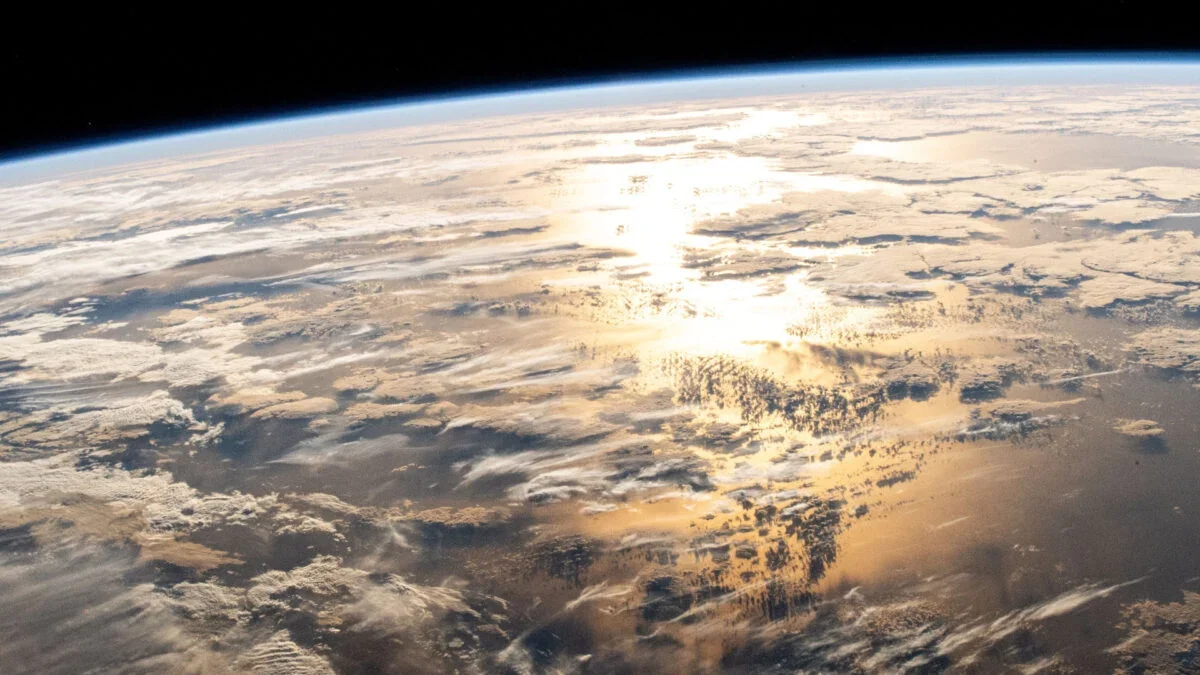
A new study using benthic foraminifera fossils and a physics‑informed deep‑learning model finds Earth’s rotation is slowing at its fastest rate in millions of years due to climate-driven continental‑ocean mass redistribution. From 2000–2020, the length of a day increased by about 1.33 milliseconds per century, the most rapid slowdown since the Late Pliocene. The extra ocean mass near the equator drags on Earth’s rotation, and researchers say by the end of the 21st century climate change could affect day length even more than the Moon, with even millisecond changes impacting precise navigation.
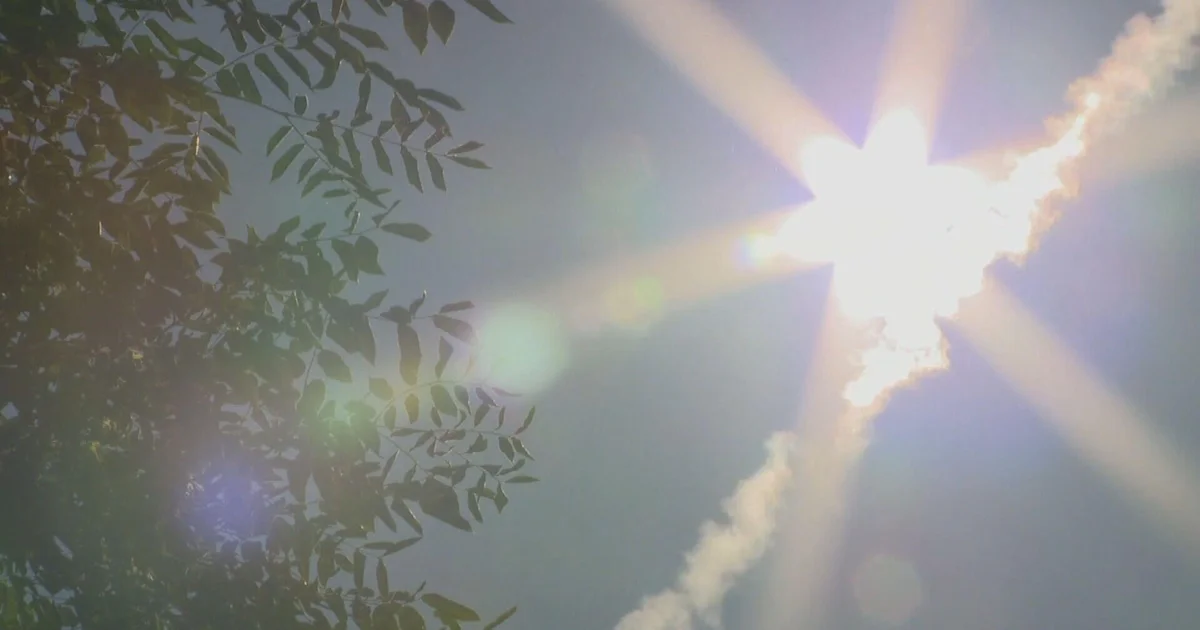
Scientists report that 2025 was one of the three hottest years on record, surpassing the critical 1.5°C warming threshold set by the Paris Agreement, largely due to human activities like burning fossil fuels, leading to severe weather events and increased climate risks worldwide.

A study reveals that a severe drought and heat wave in 2023 caused Lake Tefe in the Amazon to reach temperatures over 41°C, leading to the death of hundreds of dolphins and highlighting the broader impacts of climate change on tropical aquatic ecosystems.
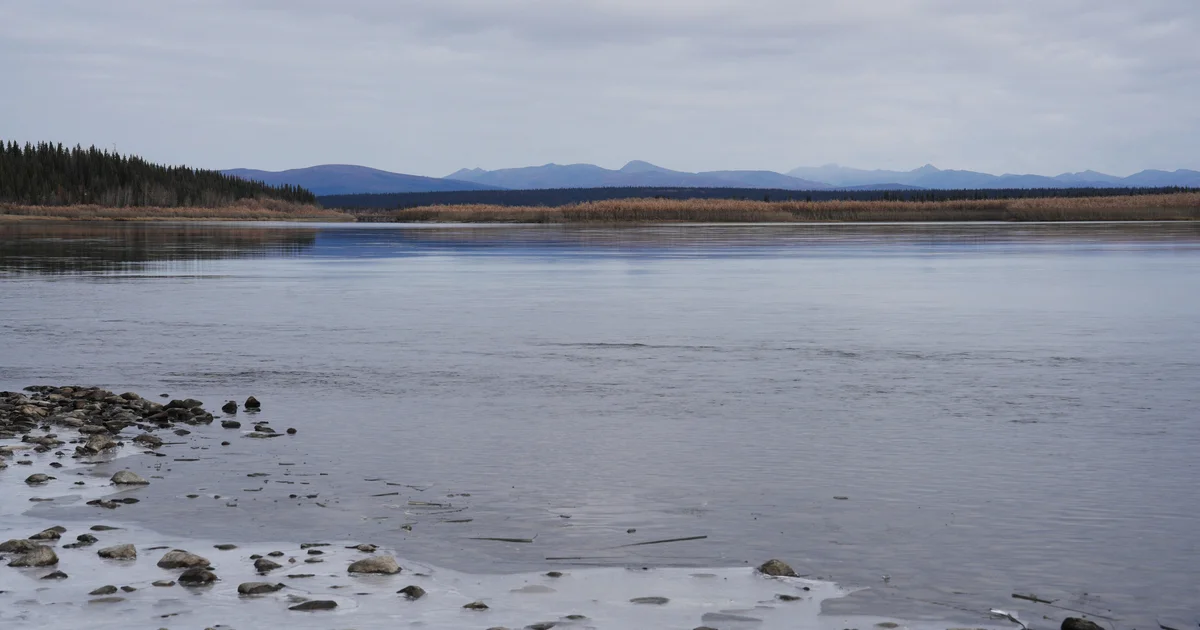
Severe flooding in western Alaska caused by Typhoon Halong resulted in one death, two missing persons, and widespread devastation, highlighting the urgent need for climate resilience and infrastructure support in vulnerable communities facing increasing storm severity due to climate change.
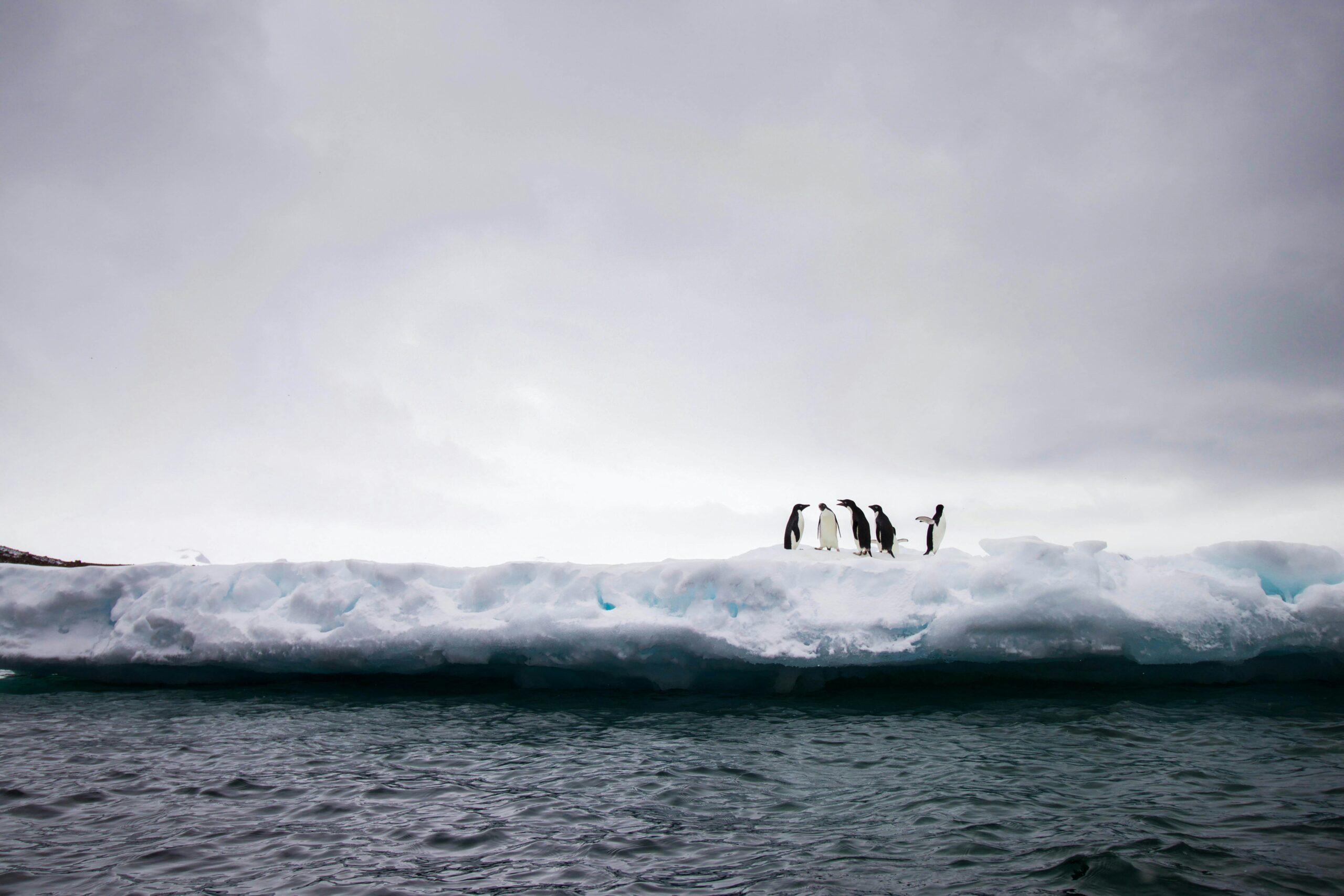
Scientists warn that rapid and extreme changes in Antarctica, including collapsing ice shelves and record-low sea ice, are occurring faster than expected, posing serious risks such as accelerated global heating, sea level rise potentially over ten meters, and ecosystem threats, emphasizing the urgent need for global action and better predictive models.
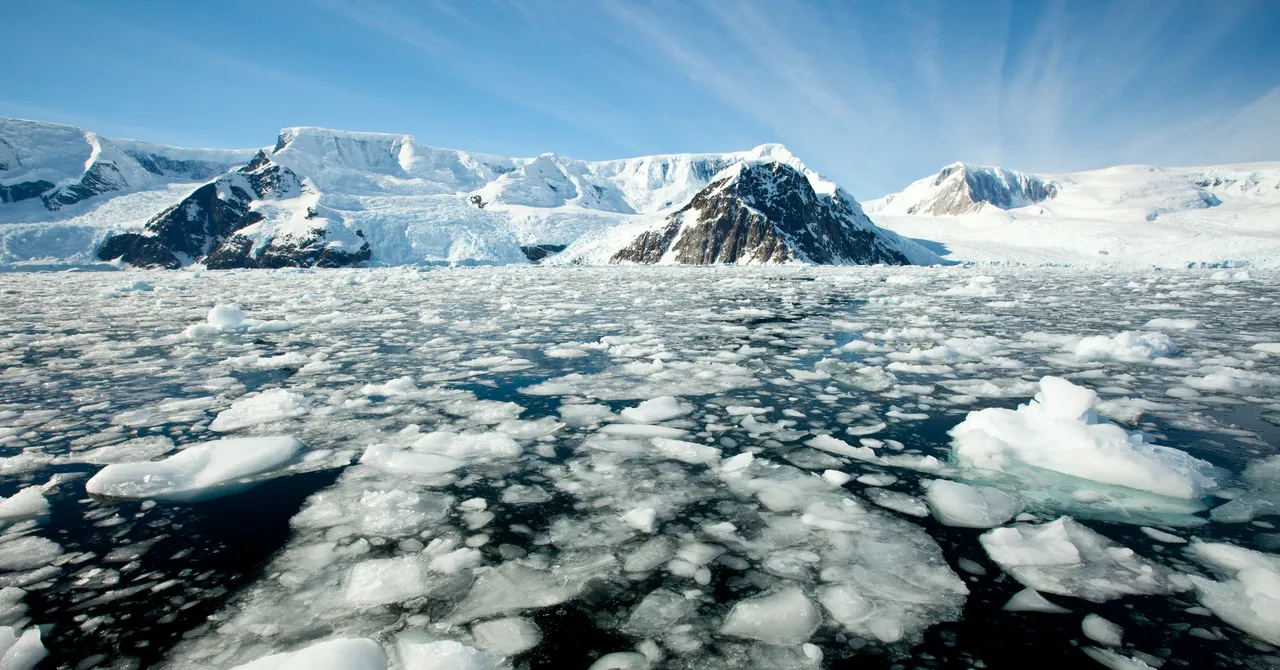
Antarctica is experiencing rapid and potentially irreversible environmental changes, including significant sea ice loss and warming, which threaten to accelerate sea level rise and cause global ecological and societal impacts. These changes are driven by human-induced climate change and could lead to catastrophic consequences if greenhouse gas emissions are not drastically reduced.