
Kumamoto quake triggers mall explosion, leaving dozens missing
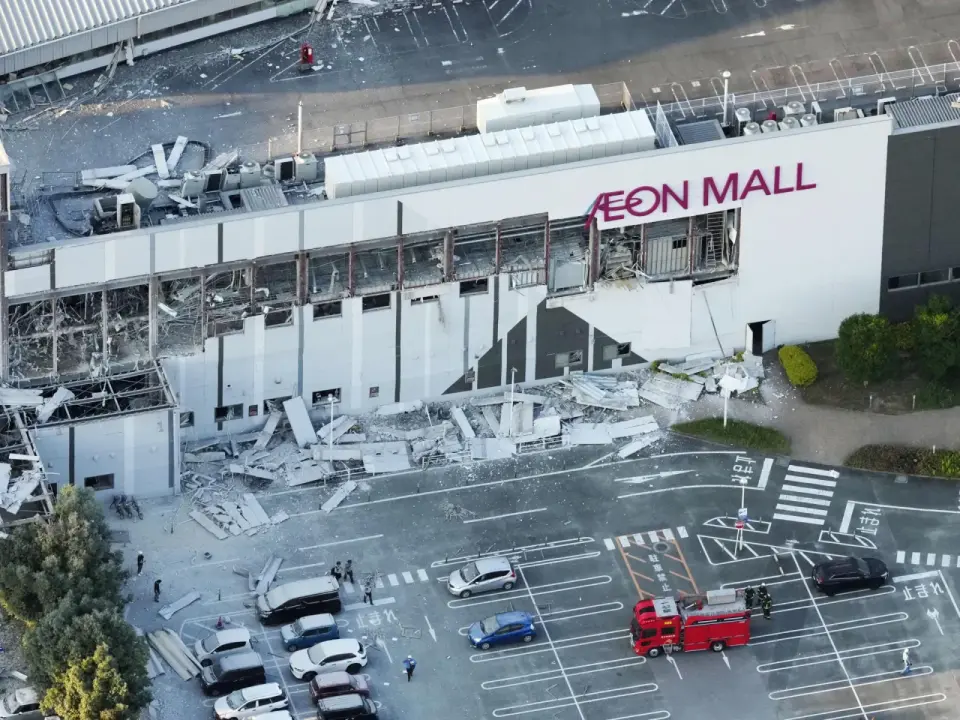
A magnitude 7.1 earthquake struck Kumamoto, Japan, causing a gas leak and explosion at the Aeon Mall that trapped workers. While 200 shoppers were evacuated, 20 to 30 employees remain unaccounted for. The quake cut power to 48,000 homes, damaged factories, and forced evacuations, with authorities warning of aftershocks.
Key points
- Magnitude 7.1 quake hit Kumamoto, causing a gas explosion at Aeon Mall.
- 20 to 30 mall workers are missing; 200 shoppers were safely evacuated.
- 48,000 homes lost power, and 300,000 people were ordered to evacuate.
- Nippon Paper factory chimney collapsed, trapping staff.
- TSMC confirmed its Kumamoto site is safe; Sony and Fujifilm evacuated staff.
Background
This event follows a decade of seismic activity in the region. In 2016, a magnitude 7.3 earthquake killed 275 people and damaged Kumamoto Castle, which was subsequently rebuilt. The Aeon Mall, which reopened in June 2026 after seismic upgrades, had become a symbol of local recovery. Recent archive data shows Japan has experienced multiple high-magnitude quakes in 2026, including a 7.2 offshore event in June that caused no major damage.
How outlets are covering it
Al Jazeera and Fox News report the quake as magnitude 7.1, while CNN cites the USGS measurement of 6.8. All sources agree on the catastrophic failure of the Aeon Mall, but Fox News emphasizes the mall's recent reopening as a symbol of recovery, whereas Al Jazeera focuses on the broader infrastructure collapse, including power outages and train derailments. CNN highlights the aftershock sequence, noting eight additional quakes ranging from 4.4 to 5.6 magnitude.
Why it matters
The disaster highlights the ongoing seismic vulnerability of Japan's industrial hubs. The collapse of a major commercial hub and damage to factories like Nippon Paper and TSMC's vicinity disrupts supply chains and local economies. The event also tests Japan's disaster response capabilities, as military forces were deployed and thousands were evacuated, raising concerns about long-term recovery in a region still healing from 2016 trauma.
What to watch
Rescue operations are paused due to aftershock risks, with families waiting for news on missing workers. Authorities are assessing damage to nuclear plants and infrastructure. The Japan Meteorological Agency has urged caution for the next two to three days. TSMC is completing impact assessments, while railway and airport services remain suspended pending safety checks.
- Several dead in Japan after magnitude 7.1 earthquake causes blast at mall Al Jazeera
- Tracking the impact of the Japan earthquake in maps and charts CNN
- Japan Kumamoto earthquake: What happened, damage, victims, latest updates Al Jazeera
- Live Updates: Earthquake in Japan caused buildings to collapse as dozens reportedly injured NBC News
- Japan mall rebuilt after deadly 2016 earthquake destroyed in major temblor weeks after 'fresh start' reopening Fox News
Want the full story? Read the original reporting
Read on Al Jazeera