
China’s Trade Surplus Tops $1 Trillion in 10 Months as AI Exports Offset Domestic Slump
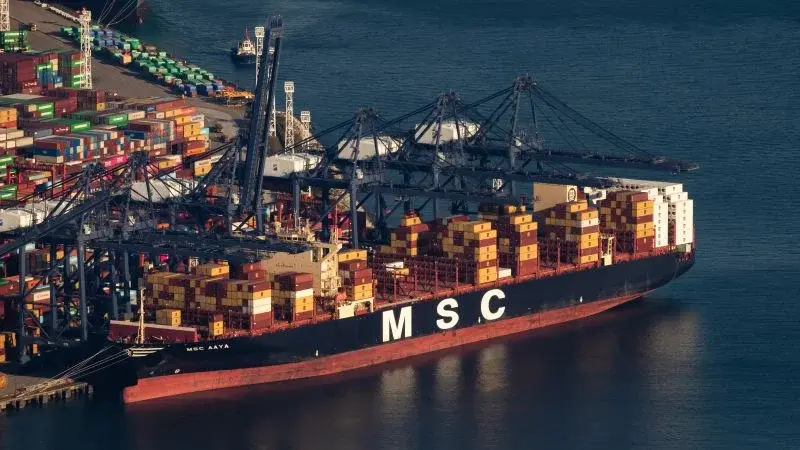
China’s trade surplus exceeded $1 trillion in the first ten months of 2026, driven by a 35.2% surge in exports. This milestone, reached a month earlier than last year, is fueled by global demand for AI hardware. However, strong exports mask weak domestic consumption and a property slump, raising concerns about economic imbalances and trade friction with the US and EU.
Key points
- Exports rose 35.2% year-on-year in October, slightly slowing from September but beating forecasts of 33.5%.
- Imports jumped 41.6%, the fastest growth since 2021, driven by tech goods, copper, and energy supplies.
- The year-to-date trade surplus reached $1.04 trillion, topping the $1 trillion mark a month earlier than in 2025.
- Domestic vehicle sales declined for the 12th consecutive month, pushing automakers to seek overseas markets.
- China extended its trade truce with the US by two months, with Xi Jinping and Trump expected to meet at the APEC summit in Shenzhen next week.
Background
China’s third-quarter GDP growth hit 4.5% in October, driven by AI exports despite a domestic slump. In September, the monthly trade surplus reached a record $133.5 billion. Recent stock market volatility, including a $2.4 trillion loss in AI stocks since May, has highlighted the risks of relying on external demand while domestic consumption remains weak.
How outlets are covering it
CNN emphasizes that the AI boom is masking deep domestic imbalances, particularly the property slump and weak consumer confidence, which could fuel trade tensions. CNBC highlights the sharp acceleration in imports, noting that the monthly surplus dropped to its lowest level since April, suggesting a potential rebalancing. Both outlets agree that the EU’s upcoming curbs on Chinese hybrid vehicles, effective December 1, may not significantly dampen the export surge, as the cap exceeds last year’s export volume. Analysts cited by CNBC warn that any slowdown in the global AI buildout could squeeze Chinese exporters’ margins, while CNN notes that the risk of additional tariffs remains elevated in 2027.
Why it matters
China’s growing reliance on overseas demand to support its economy exposes it to global trade frictions and potential slowdowns in AI investment. The widening gap between strong exports and weak domestic consumption could lead to further protectionist measures from trading partners like the US and EU, impacting global supply chains and economic stability.
What to watch
The APEC summit in Shenzhen next week will feature a third meeting between Xi Jinping and Trump this year, where trade and tariff issues may be discussed. The EU’s hybrid vehicle curbs take effect on December 1, and China’s fourth-quarter export data will be critical in assessing whether the AI boom can sustain momentum into 2027.
- China set for record trade surplus as AI boom pushes it past $1 trillion in just 10 months CNN
- China exports, imports soar past expectations in October — surplus narrows sharply CNBC
- China's export growth expected to have remained strong in October: Reuters poll Reuters
- Chinese Trade Surplus Tops $1 Trillion for Second Time Ever Bloomberg.com
- China’s Trade Surplus Passes $1 Trillion at Record Pace The New York Times
Want the full story? Read the original reporting
Read on CNN