
Cornell Faculty Vote on No-Confidence Resolution Amid Fraternity Rape Controversy
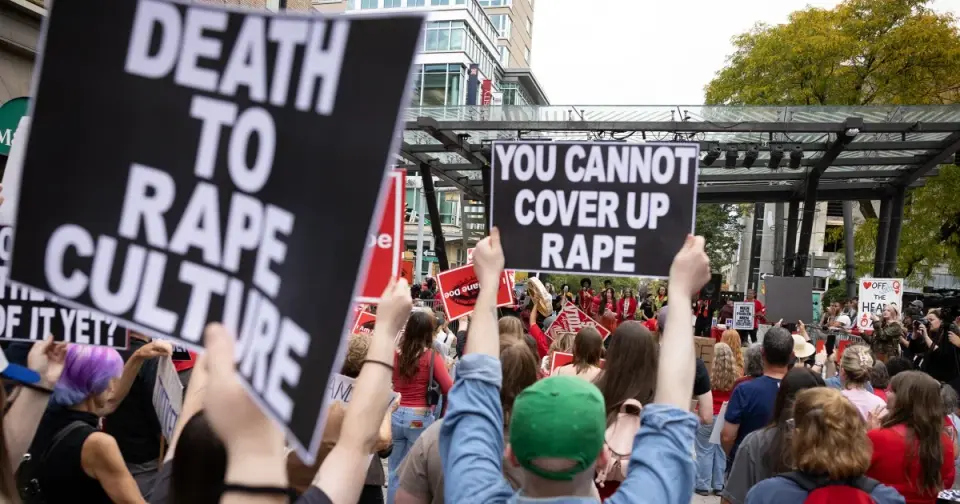
Cornell President Michael Kotlikoff faced intense scrutiny from faculty and students over the university's handling of a 2024 alleged gang rape at a Chi Phi house. While the administration announced immediate bans on fraternity parties and new support measures for survivors, critics argue these steps are reactive and insufficient. A no-confidence vote is pending, with debate scheduled for late October.
Key points
- Kotlikoff admitted he did not follow up on the criminal investigation or the victim's status, though he defended his leadership as necessary for complex issues.
- The university suspended all fraternity parties for the 2026-2027 academic year and partnered with New York State Police for trauma-informed investigations.
- Faculty Senate members are debating a no-confidence resolution, with some arguing it is symbolic while others view it as a necessary rebuke of administrative inaction.
- Students and activists demand broader reforms, including independent judicial hearings and the abolition of Greek life, rather than temporary fixes.
Background
This controversy stems from a 2024 incident where a student, identified as Jane Doe, alleged she was drugged and assaulted by seven Chi Phi members. The local district attorney declined to prosecute, leading to a civil lawsuit and a Title IX investigation that resulted in suspensions and expulsions. Recent developments include New York Attorney General Letitia James taking over the criminal case and widespread campus protests in October 2026.
How outlets are covering it
NBC News and AP highlight Kotlikoff's defensive stance during the Faculty Senate meeting, noting his admission of not reviewing police reports. Time Magazine emphasizes the perception that the administration is reacting to bad PR rather than leading change, with faculty criticizing the 'top-down' approach. Cornell’s official statement frames the new measures as essential first steps toward systemic change, while student groups like Students for a Democratic Cornell argue the response is a temporary fix that deflects institutional responsibility. Some faculty members expressed concern that a hasty no-confidence vote might not address the underlying crisis, while others felt the administration had lost credibility.
Why it matters
The situation underscores deep divisions in how universities handle sexual assault allegations and the balance between administrative authority and faculty/student governance. It highlights the tension between immediate policy responses and long-term cultural change, as well as the role of external legal interventions in campus justice.
What to watch
The Faculty Senate is expected to continue debate on October 28, followed by electronic voting. The independent review led by former Deputy Attorney General Sally Yates will assess Cornell’s policies. The university will monitor the effectiveness of the fraternity party ban and state police involvement throughout the academic year.
- Cornell president pressed by faculty over handling of fraternity rape allegations NBC News
- Cornell president pressed by faculty frustrated by his handling of fraternity rape allegations AP News
- Cornell Expelled Just 2 of 16 Students Responsible for Sexual Assault People.com
- Immediate measures to strengthen campus safety and better support survivors Cornell University
- Cornell Community Reacts to Fraternity Party Pause Time Magazine
Want the full story? Read the original reporting
Read on NBC News