
US-Venezuela Oil Deal Faces Technical and Political Hurdles
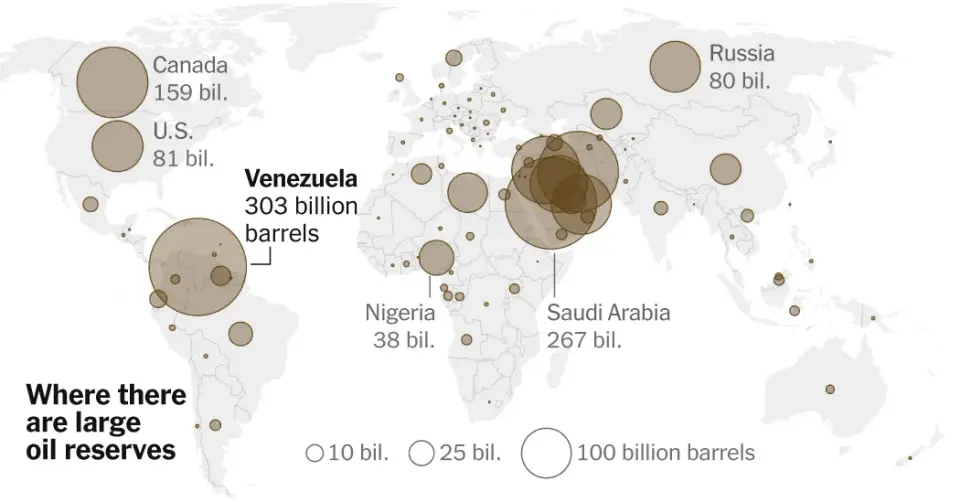
The Trump administration has finalized a controversial agreement to secure majority control of 65 billion barrels of Venezuelan oil through a private partnership. While the deal aims to replenish the US Strategic Petroleum Reserve, experts warn that heavy crude quality, aging infrastructure, and congressional approval requirements make near-term success unlikely.
Key points
- The US government will hold a 55% stake in a new joint venture involving North American Blue Energy Partners (NABEP), led by Alejandro Betancourt.
- The deal grants access to 17 oil fields with a 100-year lease, but production increases are expected to take two to three years.
- Venezuelan heavy crude may not meet the quality standards required for the Strategic Petroleum Reserve, potentially requiring complex exchange mechanisms.
- Chevron is expected to expand its operations in Venezuela, while the US National Assembly approved the treaty despite opposition concerns over transparency.
Background
This deal follows months of negotiations between the US and Venezuela’s interim government under Delcy Rodriguez. Previous reports indicated the administration sought to bypass traditional diplomatic channels by partnering with private entities to unlock Venezuela’s largest proven oil reserves, which had been underutilized due to sanctions and mismanagement.
How outlets are covering it
The New York Times highlights the long timeline and infrastructure challenges, noting that production will not significantly impact gas prices before the 2026 midterms. Al Jazeera emphasizes the political controversy, citing opposition lawmakers who demand full transparency on the treaty’s terms and noting Betancourt’s past legal issues in Europe. CNN focuses on the technical mismatch between Venezuelan heavy oil and SPR requirements, suggesting the deal may not solve the US’s emergency reserve depletion. AP News reports on Chevron’s expected expansion, indicating broader industry interest despite skepticism about the venture’s durability.
Why it matters
This agreement represents a significant shift in US energy policy, prioritizing direct control of foreign reserves over traditional diplomatic engagement. It raises questions about the feasibility of using heavy crude for strategic reserves and the long-term stability of partnerships with controversial private actors in politically unstable regions.
What to watch
Energy Secretary Chris Wright is set to travel to Venezuela to finalize the arrangement. Chevron is expected to announce its expansion plans shortly. The US government must now navigate congressional approval for SPR refilling and manage the technical challenges of storing heavy crude.
- What to Know About Venezuelan Energy Following Trump’s Oil Deal The New York Times
- EXCLUSIVE: US firm to take over some Venezuela oilfields previously run by Chinese, Russian firms, officials say Reuters
- US energy secretary will travel to Venezuela to unveil oil arrangement aljazeera.com
- Oil giant Chevron is expected to announce it will expand operations in Venezuela, US official says AP News
- Why Venezuela probably won’t solve America’s emergency oil problem CNN
Want the full story? Read the original reporting
Read on The New York Times