
Iran War Costs Hit $47 Billion as Trump Weighs Post-Midterm Strikes
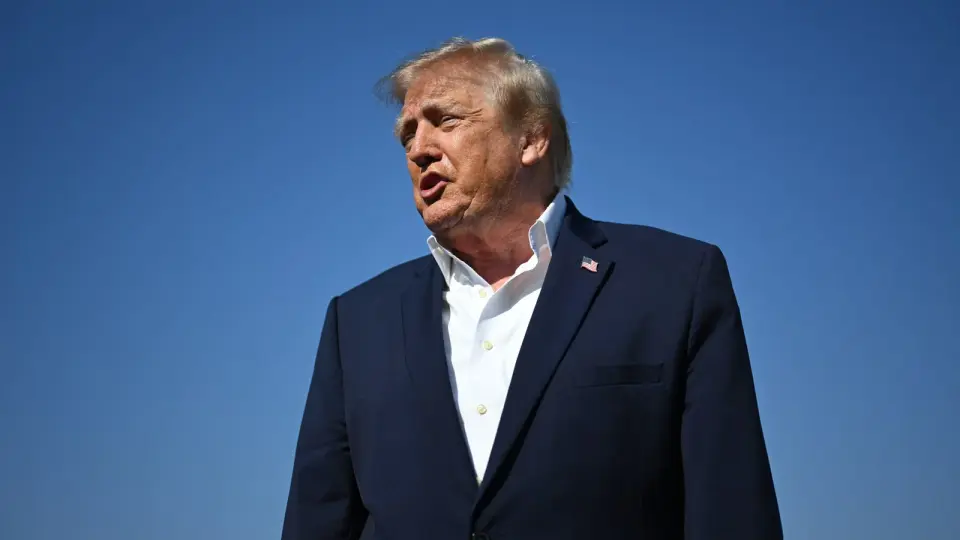
President Trump asserts control over the timeline of the Iran conflict, insisting it will end when he decides, while costs balloon to $47 billion. US military officials indicate readiness for major strikes within 96 hours of an order, likely after the November 3 midterms. Rising energy costs and a 32% approval rating create political pressure, while Iran escalates threats against US personnel and shipping in the Strait of Hormuz.
Key points
- The US cost of the Iran conflict has reached $47 billion, with $29 million allocated for munitions replacements, according to a US Central Command estimate.
- Trump stated at a Texas rally that the war will end 'whenever I want it to,' requiring a 'total statement' that Iran will never possess a nuclear weapon.
- US forces in the Middle East are prepared to launch major operations within 96 hours of a presidential order, with plans potentially including strikes on energy and nuclear facilities.
- Average gasoline prices under Trump have surpassed the Biden-era average, reaching $3.472 per gallon, impacting voter sentiment ahead of the midterms.
- Iranian security officials are urging regional nations to reduce reliance on US security guarantees, while Houthi proxies claim attacks on Saudi oil infrastructure.
Background
The conflict began in February 2026, with Trump previously linking the war's end to the November midterms. Earlier reports noted a $3 billion increase in costs and diplomatic evacuations from Saudi Arabia. The current situation reflects a nine-month-old joint US-Israeli campaign that has strained US munitions and disrupted global oil flows.
How outlets are covering it
CNBC emphasizes the financial burden, citing $47 billion in costs and $2,000 in added expenses for American families, linking this to Trump's low 32% approval rating. CNN focuses on military readiness, noting that US forces are prepared for a 'big effort' beyond routine strikes, though Trump has not yet issued a go-order. Fox News highlights the economic impact on gas prices and Iran's diplomatic push for a regional security architecture independent of the US. While all sources agree on the high cost and ongoing tension, they differ on the immediacy of escalation: CNN suggests a post-midterm strike is likely, whereas Fox notes Iran's efforts to mediate through Qatar and Pakistan.
Why it matters
The conflict's economic fallout, including higher energy and interest rate costs, is directly influencing US midterm election outcomes. The potential for major strikes after November 3 could escalate regional instability, while Iran's efforts to control the Strait of Hormuz threaten global oil supply chains and US diplomatic standing in the Middle East.
What to watch
Analysts expect Trump to decide on major military action or a deal with Iran after the November 3 midterms. The US may continue evacuating nonessential personnel from Middle East embassies. Iran is expected to maintain pressure on shipping in the Strait of Hormuz, while Qatar and Pakistan continue mediation efforts to de-escalate tensions.
- Trump says Iran war will end 'when I want it to' as costs reportedly balloon to $47 billion CNBC
- U.S. Warns Gulf of Possible Short, Intense Renewal of Iran War After Midterms WSJ
- US has plans for major Iran strikes if Trump chooses CNN
- A New Level of Threat and Fear Risks Pushing the U.S. and Iran Back to Full War The New York Times
- Trump hails Iran strikes as UN watchdog raises alarm over Tehran's unverified uranium stockpile Fox News
Want the full story? Read the original reporting
Read on CNBC