
Iraq Seizes Drone Launch Site After Saudi Pipeline Strike; Trump Blames Iran
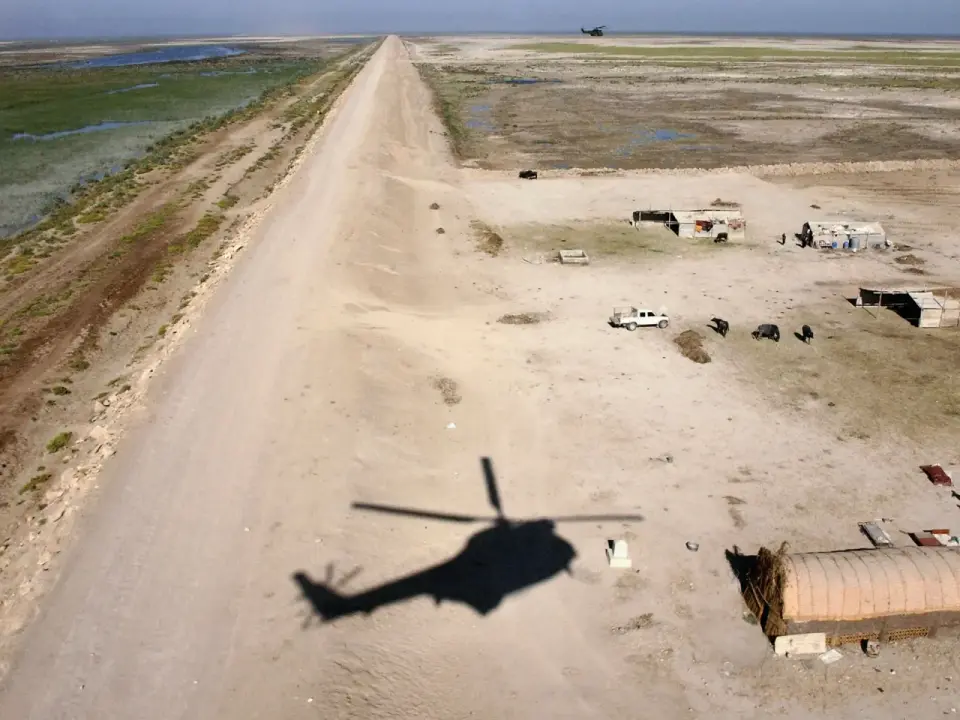
Iraqi forces seized a drone-launching platform in Maysan province, linked to a strike on Saudi Arabia's East-West pipeline. Baghdad is cooperating with Riyadh and Tehran to investigate, while Washington blames Iran for the attack amid ongoing regional tensions.
Key points
- Iraqi security forces located and seized a drone-launching platform in Maysan province, near the Iranian border, which was used to attack Saudi Arabia's East-West oil pipeline.
- The attack, which caused injuries and forced the precautionary shutdown of the pipeline, was traced to the al-Tayeb border district in southeastern Iraq.
- Iraqi Prime Minister Ali al-Zaidi dismissed the Maysan operations commander and provincial police chief, ordering an investigation into the security failures.
- Saudi Arabia decided against retaliating at Baghdad's request, while Iran was granted access to join the investigation by Iraq's commander-in-chief.
- U.S. President Donald Trump accused Iran of being behind the attack, stating it will likely end after the U.S. midterms, and confirmed the Strait of Hormuz has been cleared of mines.
Background
The East-West pipeline is a critical route for Saudi Arabia to bypass the Strait of Hormuz, which Iran blockaded following the U.S.-Israeli attack in late February. Recent regional developments have seen Gulf states investing billions in alternative oil routes and port infrastructure to mitigate the impact of the Hormuz disruption. The current strike highlights the vulnerability of these alternative routes to attacks by Iran and its proxies, including the Houthis in Yemen, who are also advancing toward the Bab al-Mandab Strait.
How outlets are covering it
Al Jazeera and The New York Times emphasize the technical and diplomatic aspects of the incident, noting that the drones were likely long-range and advanced, and highlighting Iraq's 'preventive sovereignty' principle. Fox News focuses on the U.S. perspective, with President Trump directly blaming Iran and predicting the conflict will end after the midterms. The New York Times also frames the attack as a significant blow to Saudi Arabia's efforts to circumvent the Strait of Hormuz, exposing new vulnerabilities in global oil supply chains. All sources agree on the basic facts of the attack and the subsequent Iraqi and Saudi responses, but differ in their emphasis on the broader geopolitical implications and the role of Iran.
Why it matters
The attack on the East-West pipeline threatens a key alternative route for Saudi oil exports, potentially exacerbating global energy price volatility. It also highlights the ongoing tensions between Iran and its adversaries, and the potential for further escalation in the region. The U.S. and Saudi Arabia's responses, along with Iraq's cooperation, will be crucial in determining the future stability of the region and the flow of oil to global markets.
What to watch
Iraqi authorities are continuing forensic and technical work to identify those behind the attack, with Iran participating in the investigation. Saudi Arabia is maintaining direct communication with Baghdad to share intelligence. The U.S. is enforcing a blockade of Iranian ports and has cleared the Strait of Hormuz of mines. The situation in Yemen, with Houthi advances toward the Bab al-Mandab Strait, remains a key factor in the broader regional tension.
- Iraq seizes drone-launching platform used for targeting Saudi oil pipeline aljazeera.com
- Saudi Arabia has few options as it faces mounting threats from Iran and its allies AP News
- Trump predicts war with Iran will end 'very soon,' likely after midterms Fox News
- Saudi Arabia’s Oil ‘Lifeline’ Was Attacked. Here’s What to Know. The New York Times
- Trump says Iran likely responsible for attack that shut vital Saudi oil pipeline CNN
Want the full story? Read the original reporting
Read on aljazeera.com