
Iran and Oman Outline Temporary Hormuz Corridor Amid Mine Disputes
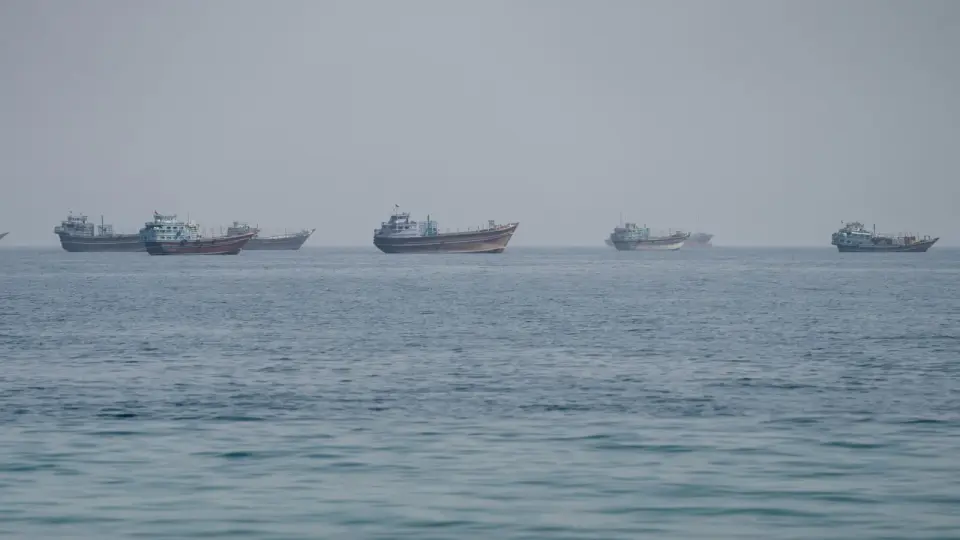
Iran and Oman have agreed to establish a temporary joint shipping corridor through the Strait of Hormuz, including a mine-clearing mission, as part of a phased framework. This development contradicts President Trump’s claims that all mines have been removed. The agreement follows the collapse of a June memorandum of understanding and aims to precede a permanent administration system for the strait.
Key points
- Oman and Iran discussed a temporary joint shipping route and a mine-clearing project in the Strait of Hormuz on Tuesday.
- Omani Foreign Minister Badr bin Hamad Albusaidi expressed hope that a corridor and practical arrangements for safe navigation would be announced soon.
- Iran’s Deputy Foreign Minister Kazem Gharibabadi stated the new route would pass through Iranian territorial waters and is 11.3km wide.
- President Trump claimed the US Navy had removed all mines from international waters, a statement contradicted by Oman’s mine-clearing proposal.
- The talks are part of a phased framework intended to lead to a permanent solution for the strait's administration.
Background
The Strait of Hormuz has been a flashpoint since the US-Israel war on Iran began in February 2026, leading to a closure of the waterway. A June 17 memorandum of understanding between the US and Iran collapsed after disputes over shipping lanes. Previous talks in July and August indicated conditional progress, but the strait remained dangerous with ongoing attacks on vessels. The current negotiations build on these stalled diplomatic efforts.
How outlets are covering it
CNBC highlights the contradiction between Oman’s mine-clearing proposal and Trump’s claim that mines were removed. Al Jazeera emphasizes Iran’s insistence that the strait will not reopen until the US fulfills its commitments under the June deal, including sanctions relief. CNN notes that the proposed deal would close the southern route favored by the US and international shipping, while Iran demands a northern route through its territorial waters. Energy analysts remain skeptical of the deal's viability.
Why it matters
The Strait of Hormuz handles one-fifth of global oil and liquefied natural gas shipments. A resolution could stabilize global energy markets and reduce tensions in the Middle East. However, the disagreement over mine clearance and route control risks further conflict and economic disruption, especially with new US sanctions targeting Iran’s economic partners.
What to watch
Technical talks are planned to develop a long-term arrangement for the strait, including information sharing and security services. The US is expected to respond to the proposed route and mine-clearing mission. Iran has warned that US mine-detection vessels could become targets if they enter the area. The outcome of these talks will determine whether a permanent solution is reached or if tensions escalate further.
- Iran and Oman discuss joint shipping route in Strait of Hormuz and mine clearing mission CNBC
- Iran and Oman discuss temporary Hormuz corridor as impasse with US drags on Reuters
- Top official says Iran, Oman have agreed new temporary route in Hormuz Al Jazeera
- August 25, 2026 – Iran war latest CNN
- Iran and Oman edge towards deal on Strait of Hormuz Financial Times
Want the full story? Read the original reporting
Read on CNBC