
Russia Strikes Kyiv Energy Grid Ahead of Abu Dhabi Peace Talks
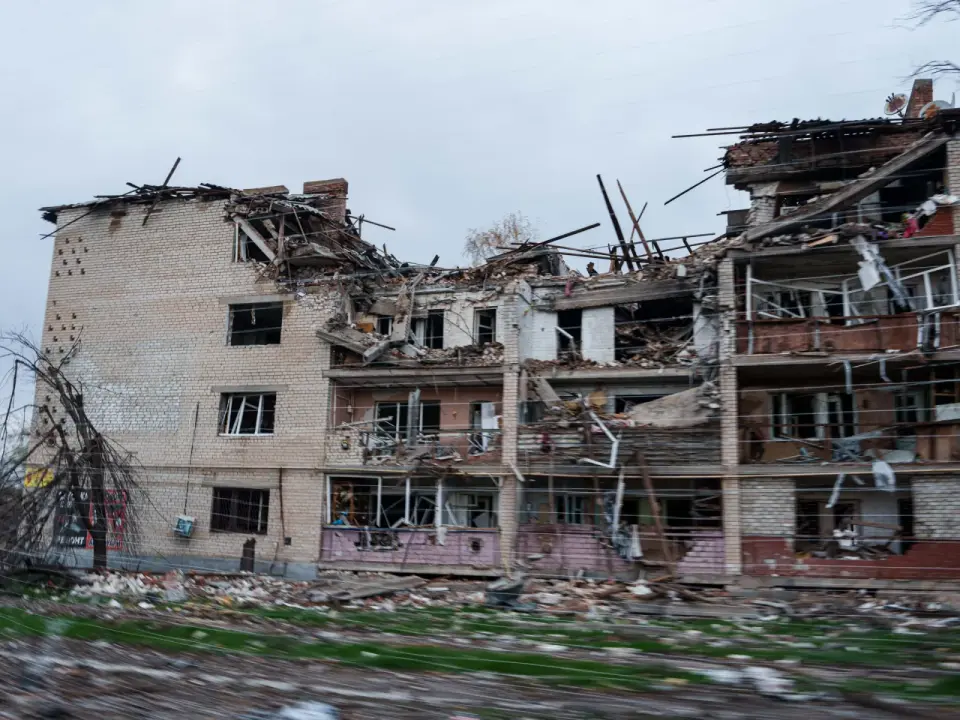
Russian forces launched a massive barrage of ballistic missiles and drones on Kyiv and surrounding regions, damaging energy infrastructure and injuring civilians just days before scheduled peace talks in Abu Dhabi. The attack caused widespread power and water outages, prompting President Zelenskyy to accuse Moscow of using aggression to pressure negotiations. Meanwhile, the death toll from a recent strike on an aid center in Zaporizhzhia rose to 55, and Ukrainian forces conducted retaliatory drone strikes on Russian industrial sites.
Key points
- Russian forces launched 36 ballistic missiles and 172 drones at Kyiv and 12 other regions, damaging substations that connect nuclear power plants to the capital.
- The attacks caused significant power, water, and heating outages in Kyiv, with Mayor Vitali Klitschko reporting damage to residential buildings, a kindergarten, and the Northern Bridge.
- At least nine people were injured in the latest strikes, including a 14-year-old girl, according to Ukrainian officials.
- The attacks occurred three days before trilateral peace talks between Russia, Ukraine, and the US are set to begin in Abu Dhabi.
- The death toll from a Russian strike on an aid distribution center in Komyshuvakha, Zaporizhzhia, rose to 55, with dozens still missing.
- Ukrainian forces launched drone strikes on Russian regions, including Belgorod, Saratov, and Oryol, damaging oil refineries and military component factories.
Background
This latest escalation follows a pattern of Russian strikes on Ukrainian energy infrastructure in the lead-up to peace negotiations. In late October, Russia launched a massive missile barrage on Kyiv hours after agreeing to resume talks, which Zelenskyy condemned as evidence of bad faith. Previous attacks in September and October also targeted power grids, causing widespread blackouts and casualties. The current strikes occur amid diplomatic efforts by the US and European allies to secure post-war security guarantees and reconstruction funding, with recent meetings in Brussels involving the World Bank and BlackRock.
How outlets are covering it
Ukrainian officials, including President Zelenskyy and Mayor Klitschko, frame the strikes as a deliberate attempt by Russia to 'plunge Kyiv into a blackout' and pressure Ukraine ahead of the Abu Dhabi talks. Zelenskyy accused Moscow of treating diplomacy as 'a form of aggression' and called for increased US support and sanctions. The Guardian highlighted Zelenskyy's criticism of the US-led peace blueprint as 'Yalta 2.0,' expressing skepticism about Russian demands to reverse NATO expansion. In contrast, the Russian Ministry of Defense stated its strikes targeted energy and transport infrastructure, including the Northern Bridge, which it claimed was used to transport weapons. AP News and BBC reported on the immediate humanitarian impact, including power outages and injuries, while noting the broader context of stalled frontline progress and high Russian troop losses. Al Jazeera focused on the diplomatic backdrop, including Trump's comments on a potential deal and the expired truce in Oleshky.
Why it matters
The strikes highlight the fragility of the peace process, as Russia continues to use military pressure to influence negotiations. The damage to energy infrastructure threatens civilian life and stability in Ukraine as winter approaches, while the rising death toll in Zaporizhzhia underscores the humanitarian cost of the war. The outcome of the Abu Dhabi talks will be critical in determining whether a lasting ceasefire or security framework can be achieved, or if the conflict will continue to escalate.
What to watch
Negotiators from Russia, Ukraine, and the US are expected to meet in Abu Dhabi on Tuesday and Wednesday to discuss a resolution to the war. Western allies are seeking to break the impasse on territorial and security questions, while Ukraine demands meaningful security guarantees before any wider security architecture is considered. The situation on the ground will likely remain volatile, with potential for further strikes and retaliatory actions from both sides.
- Russia launches missile attack on Kyiv, injuring residents Al Jazeera
- Blackouts and water shortages in Kyiv after Russia strikes Ukraine’s energy grid The Guardian
- Drone and missile attacks wound 9 as Ukraine prepares for talks with Russia and the US AP News
- Ukraine's power network suffers further damage after fresh Russian strikes BBC
- Zelenskyy accuses Russia of ramping up attacks on Ukraine ahead of U.S. talks CBS News
Want the full story? Read the original reporting
Read on Al Jazeera