
Starshield Throttling Exposes Critical Vulnerability in US-Ukraine War Effort
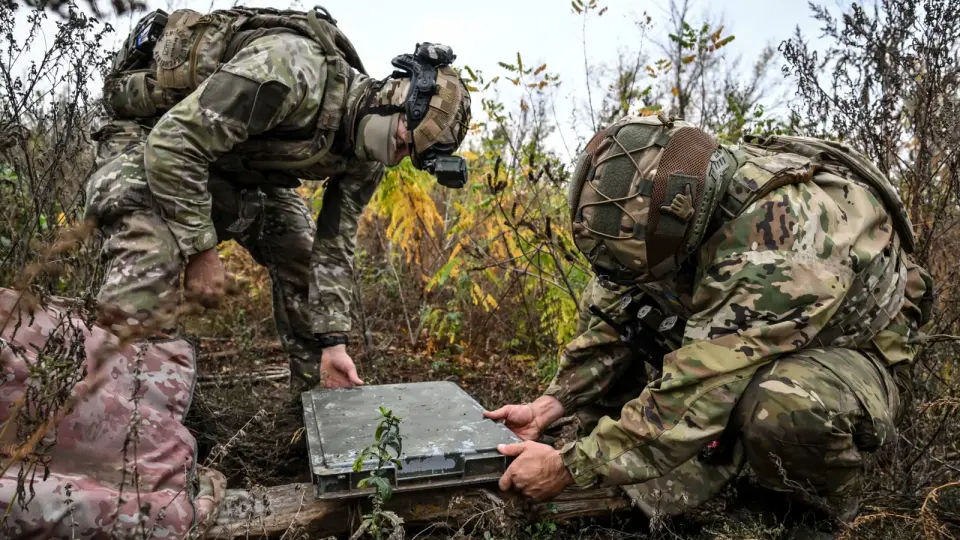
A sudden restriction on SpaceX's Starshield satellite service in Ukraine has halted drone operations, costing millions and exposing the dangers of relying on a single private provider for military communications. While US officials deny involvement, reports suggest Elon Musk ordered the changes, prompting bipartisan calls for an investigation and accelerating global efforts to develop alternative satellite networks.
Key points
- On Oct. 14, Starshield imposed speed limits on drones moving over 100 mph, causing Ukrainian units to lose connectivity and costing over $1 million in equipment.
- The Wall Street Journal reported that Elon Musk ordered the restrictions after discussing them with President Trump, though Trump denied involvement.
- Sen. John Cornyn and Rep. Pramila Jayapal called for an investigation into Musk's actions, citing concerns over oligarchic control of critical communications.
- Ukraine is exploring alternatives, including meetings with Norwegian defense firm Kongsberg, as no current competitor matches Starlink's capacity or coverage.
- Rivals like Amazon's Leo and Blue Origin's TeraWave are years behind, with limited satellites and delayed deployments, leaving a significant gap in global satellite infrastructure.
Background
This incident follows a series of tensions between Ukraine and SpaceX, including a 2023 report that Musk shut down Starlink over Crimea, which Ukraine claimed led to civilian casualties. Recent archive coverage from October 16-22 highlights growing fears that Starlink restrictions could embolden Russian strikes on civilian infrastructure and threaten a severe winter crisis. The current dispute marks the most acute disruption to Ukrainian drone operations since the war began in 2022.
How outlets are covering it
CNBC emphasizes the antitrust and security risks of Musk's unilateral control over communications, quoting Public Citizen's Robert Weissman on the dangers of oligarchy. The New York Times focuses on the immediate operational impact, detailing how drones fell from the sky and halted strikes on Russian targets for three days. Politico highlights the political fallout, with Sen. Kevin Cramer expressing concern over 'vendor lock in space' and the need for competition in satellite production and launch. All sources agree on the severity of the disruption but differ in emphasis: CNBC on power dynamics, NYT on battlefield consequences, and Politico on legislative and defense policy implications.
Why it matters
The incident reveals a critical dependency on a single private entity for national security communications, raising concerns about political interference in wartime operations. It accelerates global efforts to develop sovereign satellite systems, though current alternatives are years behind in capacity and coverage. The dispute also tests the US-Ukraine alliance, with bipartisan lawmakers demanding accountability and Ukraine seeking new partnerships to reduce reliance on Starlink.
What to watch
Expect continued pressure on SpaceX and Musk from US lawmakers, including potential testimony under oath. Ukraine will likely accelerate negotiations with European and other partners for alternative satellite capabilities. Competitors like Amazon and Blue Origin may face increased scrutiny or investment as governments seek to reduce dependence on Starlink. The outcome could reshape US policy on private control of military-grade communications and influence future defense contracts.
- Musk's clash with Ukraine accelerates demand for Starlink alternatives. Few exist CNBC
- Exclusive | Musk Ordered Starlink Slowdown That Blindsided Ukraine WSJ
- GOP senator questions Elon Musk’s influence over military assets Politico
- When Starshield Cut Out, Ukrainian Drones Fell From the Skies The New York Times
- Europe must escape its reliance on American satellites The Economist
Want the full story? Read the original reporting
Read on CNBC