
Trump Rejects Iran's Seven-Day Ceasefire Plan, Betting on Economic Pressure Amid Rising Global Risks
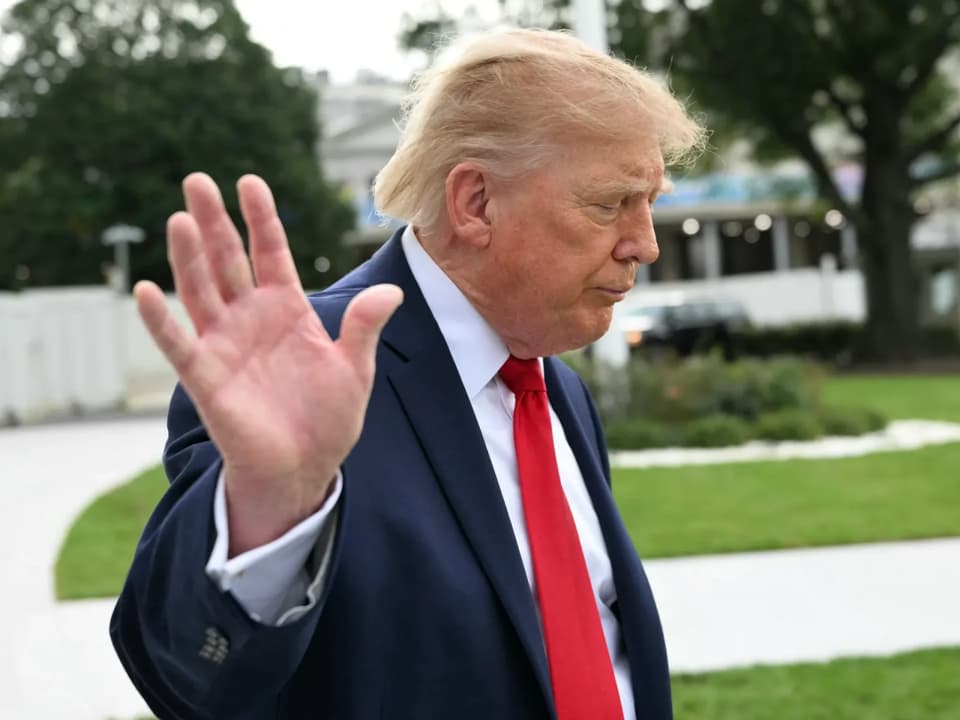
President Donald Trump rejected Iran’s latest seven-day proposal to end the war and reopen the Strait of Hormuz, arguing that Tehran is 'losing badly' and that Washington can secure better terms by waiting. Iran’s plan, mediated by Qatar, required the US to lift its naval blockade, waive oil sanctions, and release $12 billion in frozen assets before reopening the strait. While Trump’s administration believes sustained economic pressure will force Iranian concessions, experts warn this strategy risks backfiring as global energy prices rise and the conflict expands to the Red Sea. Iranian officials remain open to talks but expressed deep distrust of Washington, while the US maintains that current military escorts are keeping oil flows near pre-war levels.
Key points
- Trump publicly rejected Iran’s seven-day roadmap, stating the deal was unacceptable and that Iran’s proposal signaled weakness.
- Iran’s proposal required the US to lift its naval blockade, waive oil sanctions, and release $12 billion in frozen assets before Tehran would reopen the Strait of Hormuz.
- The US has redirected 122 vessels since reinstating its blockade on July 14, with nearly 40 million barrels of crude transiting the strait under US escort in the last 48 hours.
- Iranian President Masoud Pezeshkian stated that Tehran no longer trusts negotiations with Washington, citing previous attacks during diplomatic talks.
- The European Union warned of an energy 'price crisis,' urging member states to reduce gas and electricity demand due to the war’s impact on oil and gas markets.
Background
This rejection follows a June memorandum of understanding that collapsed last month, leading to renewed attacks and the current naval blockade. Earlier in September, Trump issued an ultimatum at the UN, warning he would 'annihilate' Iran if no deal was reached, while also signaling openness to diplomacy. The conflict has expanded beyond the Strait of Hormuz, with Iran-backed Houthis seizing Yemen’s Red Sea coast and attacking Saudi Arabia, prompting a joint defense agreement between Saudi Arabia, Turkey, and Pakistan.
How outlets are covering it
Al Jazeera emphasizes that Trump’s rejection is a calculated gamble, believing that economic pressure will eventually force Iran to capitulate, though experts warn this could backfire as Iran may escalate the conflict. CBS News highlights the US military’s success in maintaining oil flows through the strait, noting that nearly 40 million barrels have transited under US escort, and reports that the US is having 'positive and constructive' talks despite the public rejection. The New York Times focuses on the diplomatic ambiguity, noting that Iranian Foreign Minister Abbas Araghchi is waiting for an official response through mediators, suggesting that Trump’s public rejection may not be the final position. All sources agree that the conflict has expanded to the Red Sea, with Houthis attacking Saudi Arabia and the UN Security Council condemning the attacks.
Why it matters
The rejection of the ceasefire proposal risks prolonging the conflict, which is already driving up global energy prices and threatening to impact the US midterm elections. The expansion of the conflict to the Red Sea and the involvement of the Houthis in attacking Saudi Arabia could disrupt global shipping and energy markets, with the EU already warning of a 'price crisis.' The diplomatic stalemate also raises concerns about the stability of the region and the potential for further escalation, as both sides believe that waiting will improve their bargaining position.
What to watch
Iran is expected to wait for an official response from the US through Qatari mediators, while the US continues to maintain its naval blockade and economic pressure. The conflict may further escalate if Iran decides to 'make Trump pay' for the rejection, potentially through increased attacks on Saudi Arabia or the Red Sea. The US midterm elections in November will also play a role, as rising fuel and transportation costs could impact voter sentiment. The UN Security Council has condemned the Houthi attacks, and Saudi Arabia, Turkey, and Pakistan are holding talks to support the kingdom, which could lead to further military or diplomatic actions.
- ‘Better deal’: What’s behind Trump’s rejection of Iran’s truce offer? Al Jazeera
- Iran insists on diplomatic solution after Trump rejects peace plan Reuters
- Iranian minister says only negotiation can end conflict after Trump rejects Hormuz deal Yahoo
- Iran War Updates: Trump rejects 7-day plan to reopen Strait of Hormuz CBS News
- Iran Seeks U.S. Clarification After Trump Rejects Cease-Fire Proposal The New York Times
Want the full story? Read the original reporting
Read on Al Jazeera