
Trump slashes fuel economy standards, shifting auto policy to market forces
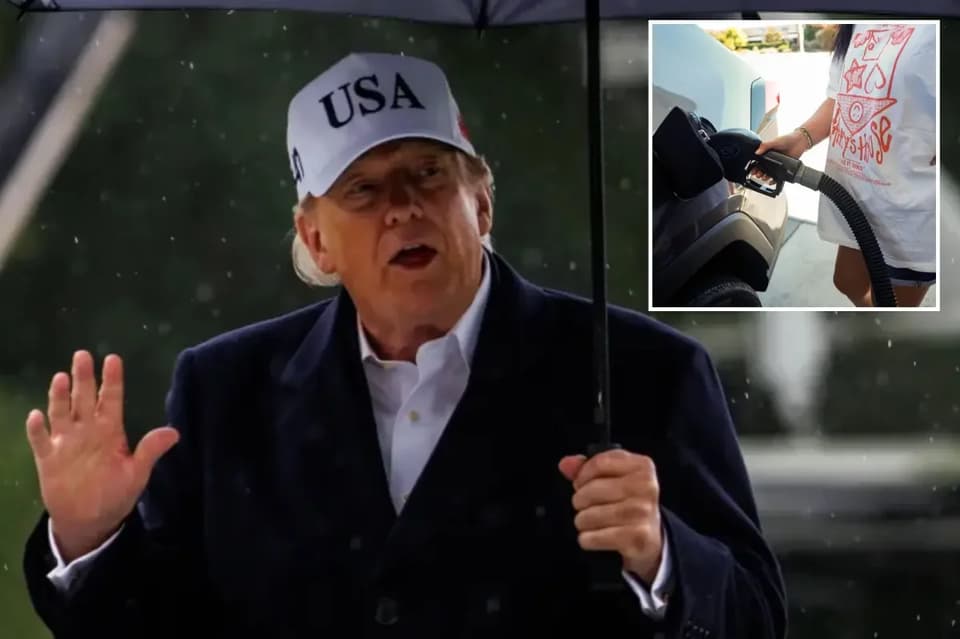
President Trump approved new federal fuel economy standards on September 26, 2026, lowering the required average for cars and light trucks from 50.4 miles per gallon to 34.5 miles per gallon by model year 2031. This move, to be formally announced by Transportation Secretary Sean Duffy on Monday, removes previous mandates that favored electric vehicles. While the administration claims this will lower vehicle costs, critics note that Congress already repealed penalties for non-compliance, making the new standards largely advisory. The decision occurs amid rising gasoline prices and a global trend toward electric vehicles.
Key points
- Trump announced the approval of new fuel economy standards via Truth Social on September 26, 2026, with a formal release scheduled for Monday.
- The new rule lowers the fleetwide average fuel economy requirement for cars and light trucks to 34.5 miles per gallon by model year 2031, down from the Biden-era standard of 50.4 miles per gallon.
- Congress previously repealed fines for automakers failing to meet these standards, meaning the new rule lacks enforcement penalties and functions as a suggestion rather than a mandate.
- The administration argues the rollback will reduce vehicle prices and allow manufacturers like General Motors and Ford to build more gas-powered vehicles.
- Gasoline prices remain high, with the national average reaching $4.48 per gallon and California prices hitting $6.33 per gallon as of September 26, 2026.
Background
This development follows a series of deregulatory actions by the Trump administration, including the February 2026 repeal of EPA climate rules for motor vehicles and the congressional repeal of $7,500 electric vehicle tax credits. Earlier in 2026, the administration also rolled back Obama-era housing rules to reduce costs. The current move aligns with a broader strategy to dismantle Biden-era environmental policies, though it faces legal challenges similar to those against previous EPA rollbacks.
How outlets are covering it
The California Post emphasizes the impact on California drivers, noting that high gas prices and refinery closures have created a 'California premium' for fuel, making the federal rollback potentially symbolic for local consumers. It highlights that the move benefits manufacturers by allowing them to focus on larger, more profitable vehicles like SUVs. Politico frames the decision as a political move to counter high gas prices ahead of midterm elections, while noting that experts view it as less significant than the earlier EPA repeal because Congress already removed financial penalties for non-compliance. Critics cited by Politico, such as Dan Becker of the Center for Biological Diversity, argue the move harms the U.S. auto industry by ignoring global trends toward electric vehicles, while supporters like the White House claim it will lower car prices for families.
Why it matters
The rollback signals a definitive shift away from federal mandates for vehicle efficiency and electrification, potentially influencing global competitiveness and environmental outcomes. For consumers, the immediate impact on gas prices is limited due to existing market conditions, but the long-term effect on vehicle design and emissions could be significant. The move also highlights the tension between federal deregulation and state-level environmental policies, particularly in California, which has faced restrictions on setting its own stricter standards.
What to watch
The formal announcement of the new standards is expected on Monday, September 28, 2026. Legal challenges are anticipated, as similar EPA rollbacks have faced court scrutiny. Automakers will likely adjust production lines to favor gas-powered models, while the U.S. auto industry faces increased pressure to compete with global electric vehicle trends. The impact on gas prices will depend on market dynamics, including refinery output and import dependencies, rather than the fuel economy standards themselves.
- Trump to roll back fuel-efficiency rules in boost for automakers nypost.com
- Trump Administration Plans to Gut Clean Car Rules The New York Times
- Trump says he approved new fuel economy standards ending Biden-era electric vehicle mandate Fox Business
- Trump slashes Biden-era fuel economy standards for cars politico.com
- US to finalize sharply lower vehicle fuel economy standards reuters.com
Want the full story? Read the original reporting
Read on nypost.com