
Trump Rejects Iran’s Seven-Day Hormuz Deal, Citing Economic Leverage
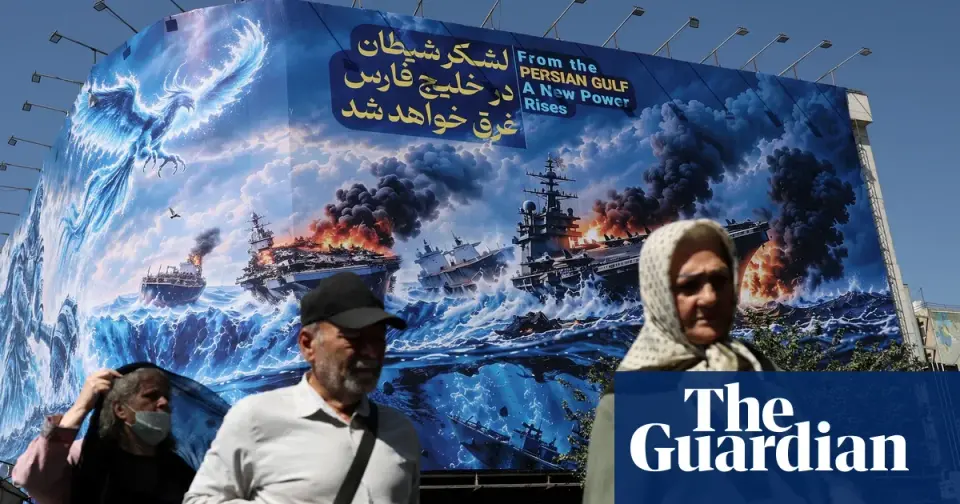
US President Donald Trump rejected an Iranian proposal to reopen the Strait of Hormuz within seven days in exchange for lifting the US naval blockade and resuming nuclear talks. While Tehran offered a concrete timeline mediated by Qatar, Washington maintains its blockade, with Trump suggesting renewed military action may follow the November midterms.
Key points
- Trump publicly rejected Iran’s seven-day roadmap to reopen the Strait of Hormuz and restart nuclear negotiations, stating Tehran’s offer was driven by economic desperation.
- Iran’s proposal, detailed by Foreign Minister Abbas Araghchi, required the US to lift its naval blockade, release frozen assets, and restore oil export sanctions waivers.
- The US maintains a naval blockade that has reduced Iranian crude exports to zero, while Trump has indicated he may resume bombing campaigns after the November midterm elections.
- Iranian President Masoud Pezeshkian expressed skepticism about US trustworthiness but affirmed Tehran’s willingness to negotiate, rejecting coercion and threats.
- The conflict, ongoing since February 2026, has disrupted global energy markets and caused humanitarian crises in Yemen and Gaza.
Background
The current standoff follows a series of failed diplomatic efforts since the war began in February 2026. Previous attempts, including a June memorandum of understanding, collapsed quickly. In August, Iran asserted control over the strait, and in late September, Tehran proposed the current seven-day deal via Qatari intermediaries during the UN General Assembly. Trump had previously floated the idea of renaming the strait or claiming it as US territory, reflecting a strategy of maximum pressure.
How outlets are covering it
The Guardian and NBC News highlight Trump’s assertion that Iran is 'dying' economically due to the blockade, framing the rejection as a leverage tactic. Al Jazeera emphasizes the broader regional instability, including Houthi attacks in Yemen and Israeli strikes in Lebanon. While US officials describe talks as 'positive,' Iranian leaders like Pezeshkian and Araghchi stress that Iran does not trust Washington and will not accept coercion. Former Pentagon official David Des Roches, cited by Al Jazeera, argues Iran has 'overplayed its hand' on the strait, noting that oil prices remain lower than predicted and US markets are resilient. Saudi Arabia is reportedly concerned that the proposed transit route is bilateral between Iran and Oman, excluding Gulf states.
Why it matters
The rejection of the deal prolongs the US naval blockade, keeping global oil flows disrupted and inflationary pressures high. With the November US midterms approaching, the timing of any renewed military action or diplomatic breakthrough could significantly impact global energy markets and regional stability. The failure to reach a deal also risks further escalation, including potential strikes on US allies in the Gulf and continued humanitarian crises in Yemen and Gaza.
What to watch
Iranian President Masoud Pezeshkian has returned to Tehran, signaling a pause in direct negotiations. The US is expected to maintain its blockade and may resume military operations after the November midterms, as suggested by Trump. Iran’s hardliners may resist compromises, while moderates continue to push for diplomacy. Global markets will monitor oil prices and shipping routes closely, with any further disruptions potentially exacerbating inflation. The UN and mediators like Qatar may continue to facilitate indirect talks, but progress remains uncertain.
- Trump reportedly rejects Iran’s seven-day peace deal to reopen strait of Hormuz The Guardian
- Exclusive | Trump Rejects Iran Ceasefire, Expects Renewed Bombing After Midterms WSJ
- Iran says choice on reopening Hormuz ‘rests with the United States’ after deal offer NBC News
- Iran war live: Tehran offers US plan to reopen Hormuz within seven days Al Jazeera
- Iran will make no nuclear concessions, Iranian official says Reuters
Want the full story? Read the original reporting
Read on The Guardian