
Trump warns Iran of severe retaliation over alleged dirty bomb plot in Washington
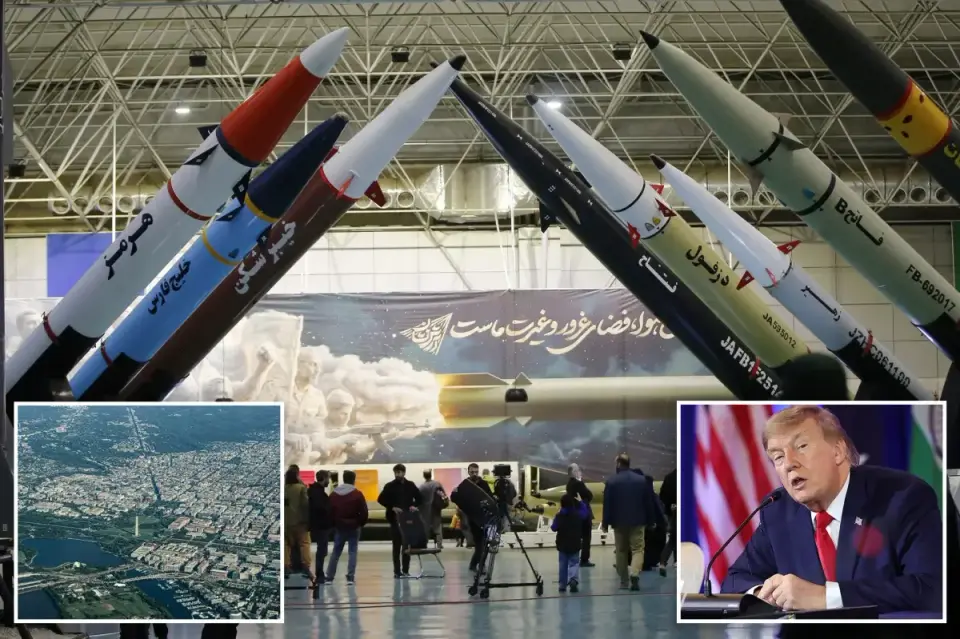
US officials report Iran is planning a radiological or chemical attack on Washington, DC. President Trump called the threat 'very serious' and warned of unprecedented retaliation, while Iranian officials denied the claims as propaganda. Experts note no evidence of an imminent attack, describing the reports as intelligence chatter rather than a confirmed plot.
Key points
- CNN reported that seven US officials believe Iran has plans to target senior administration members with a dirty bomb or chemical weapon in Washington, DC.
- President Trump stated the US takes the threat 'very seriously' and warned Iran would pay a price 'no country has ever paid before' if it proceeds.
- Homeland Security Secretary Markwayne Mullin said the homeland is secure but acknowledged the threat is not new, describing Iran's ambitions as 'aspirational.'
- Iranian Foreign Ministry spokesman Esmaeil Baghaei dismissed the reports as a 'fabricated media narrative' intended to justify further aggression.
- Experts note that while dirty bombs are easier to build than nuclear weapons, there is no public evidence Iran intends to use one, as it would likely trigger a full-scale invasion.
Background
This development follows a series of US-Iran tensions, including a recent pause in direct combat and ongoing economic blockades. In October, intelligence memos warned of advanced Iranian plots against US personnel abroad. The US Air Force also relocated aircraft from UK bases in November amid reported Iran-linked threats. Trump has previously stated the war is 'effectively over' but maintains pressure through blockades unless Iran abandons its nuclear program.
How outlets are covering it
CNN and the New York Post emphasize the gravity of the threat, citing official warnings and Trump’s strong rhetoric. Al Jazeera provides a skeptical view, noting the lack of independent evidence and arguing that such claims may be used to build public support for escalation, similar to pre-Iraq War intelligence failures. Iranian officials uniformly reject the reports as baseless propaganda. While US officials debate whether Iran has personnel in place to execute the plot, experts argue the likelihood of an actual attack is 'infinitesimally remote' due to the catastrophic political consequences for Tehran.
Why it matters
The alleged plot highlights the risk of miscalculation in the ongoing US-Iran conflict. If the threat is real, it could trigger a major escalation; if false, it may be used to justify further military or economic pressure. The incident also raises questions about the reliability of wartime intelligence assessments and the potential for public panic over radiological threats, which experts describe as 'weapons of mass disruption' rather than mass destruction.
What to watch
Negotiations to end the conflict have stalled, with Trump indicating he does not 'need' a deal. The US has increased its naval presence in the region, with three carriers now deployed. Analysts expect continued monitoring of Iranian activities, but no immediate action is anticipated unless new evidence emerges. Trump’s Asia trip continues, with meetings focused on trade and security, while domestic attention remains on the threat assessment.
- Trump responds to reported ‘dirty bomb’ threat from Iran: ‘They happen to be crazy’ New York Post
- Trump says US taking seriously report of possible Iranian dirty bomb plot in Washington Reuters
- Trump says Iran could pay major price if it carries out dirty-bomb plan CNN
- Is Iran plotting a ‘dirty bomb’ attack in the US? What we know Al Jazeera
- Trump Says US ‘Looking Into’ Any Iran Attack Plan for Washington, DC Bloomberg.com
Want the full story? Read the original reporting
Read on New York Post