
Ukraine Launches Massive Drone Assault on St. Petersburg Oil Infrastructure
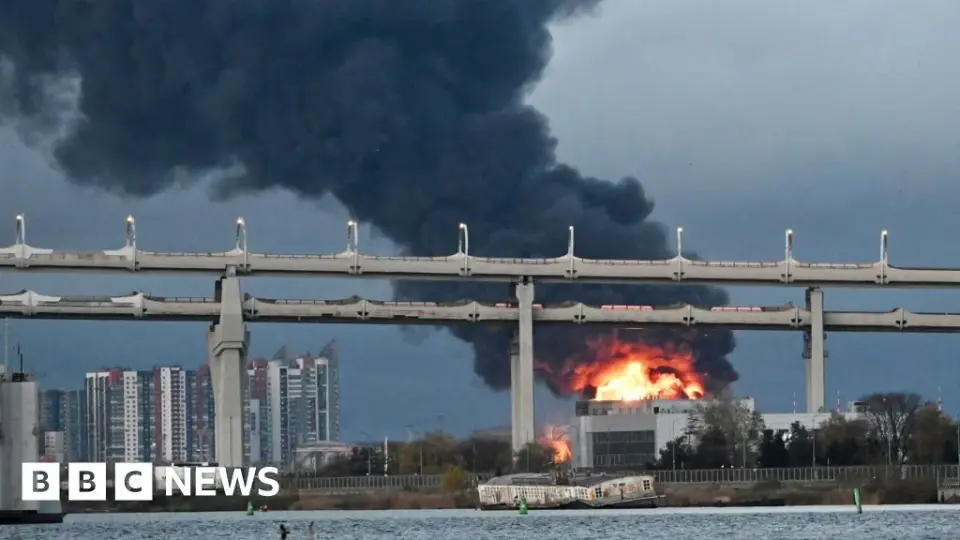
Ukraine launched its largest drone attack on Russia this year overnight on October 17-18, targeting the St. Petersburg Oil Terminal and other infrastructure. The strike killed one person and injured five, damaging residential buildings and disrupting power for 20,000 people in the Leningrad region. This move defies US President Donald Trump's recent 'energy ceasefire' demand, as Kyiv resumes strikes on Russian oil facilities after a brief pause. Russia shot down over 1,000 drones, while Zelensky accused Moscow of 76 energy attacks since the truce announcement.
Key points
- At least one person was killed and five injured in St. Petersburg, with 12 apartment buildings and two homes damaged.
- The St. Petersburg Oil Terminal, capable of handling 12.5 million tons annually, and the Ruchyi oil depot were hit, causing fires.
- A logistics center for Ozon and a data center for VKontakte were also targeted, with VK confirming service outages.
- Russia's defense ministry reported shooting down 1,015 Ukrainian drones overnight, marking one of the largest attacks of the war.
- Approximately 20,000 people in the Leningrad region were left without electricity after two transformer substations were struck.
- Ukraine resumed strikes on Russian oil facilities after a three-day pause, defying Trump's 'energy ceasefire' and diesel deal.
Background
This escalation follows a series of deadly Russian strikes on Ukrainian energy infrastructure in early October, including a massive attack on October 7 that killed 28 people and cut power in Kyiv. The current conflict occurs amid rising global oil prices above $100 per barrel due to disruptions in the Strait of Hormuz, which has intensified US pressure to secure Russian diesel imports. Ukraine had previously paused strikes on Russian oil facilities in late September but resumed them this week after accusing Russia of continuing attacks on Ukrainian energy grids.
How outlets are covering it
CNN and ABC News emphasize the attack as a direct defiance of Trump's 'energy ceasefire' and his recent waiver of sanctions on Russian diesel, highlighting the deteriorating US-Ukraine relationship. BBC focuses on the specific targets, including the Ozon logistics center and VKontakte data center, and notes that Kyiv has not yet officially commented on the strikes. Ukrainian National News (UNN) highlights the broader impact on Russian civilian infrastructure, noting the power outages in the Leningrad region. All sources agree that Russia shot down over 1,000 drones, but they differ on the emphasis: Western outlets focus on the political fallout with Washington, while Ukrainian sources stress the reciprocal nature of the conflict and the failure of the truce.
Why it matters
The attack signals a significant escalation in the war's fifth year, as both sides intensify strikes on energy infrastructure ahead of winter. It undermines US diplomatic efforts to stabilize oil prices and could lead to further sanctions or reduced support for Ukraine. The damage to Russian oil facilities may impact Moscow's war revenue, while the power outages in Ukraine and Russia highlight the vulnerability of civilian infrastructure to drone warfare.
What to watch
Expect continued retaliatory strikes from Russia on Ukrainian energy grids, as Zelensky has warned of ongoing attacks. The US may face increased pressure from Congress and allies to reverse the sanctions waiver on Russian diesel. Ukraine may further restrict its use of Starlink technology if restrictions persist, potentially impacting its defense capabilities. Diplomatic talks between the US, Russia, and Ukraine may collapse as the 'energy ceasefire' proves unenforceable.
- Oil facilities hit in deadly overnight attack on St Petersburg BBC
- Ukraine defies Trump and launches one of its biggest drone attacks on Russia this year CNN
- Ukraine targets Russia with more than 1,000 drones, striking oil terminal in St. Petersburg ABC News - Breaking News, Latest News and Videos
- Ukraine Strikes Russian Oil Terminal, as Starshield Disruptions Persist The New York Times
- Mass drone attack on St. Petersburg: Ozon warehouse attacked, thousands of Russians left without power Українські Національні Новини (УНН)
Want the full story? Read the original reporting
Read on BBC