
U.S. Bombers Flee UK Base as Iran’s Drone Threats Expose Strategic Vulnerabilities
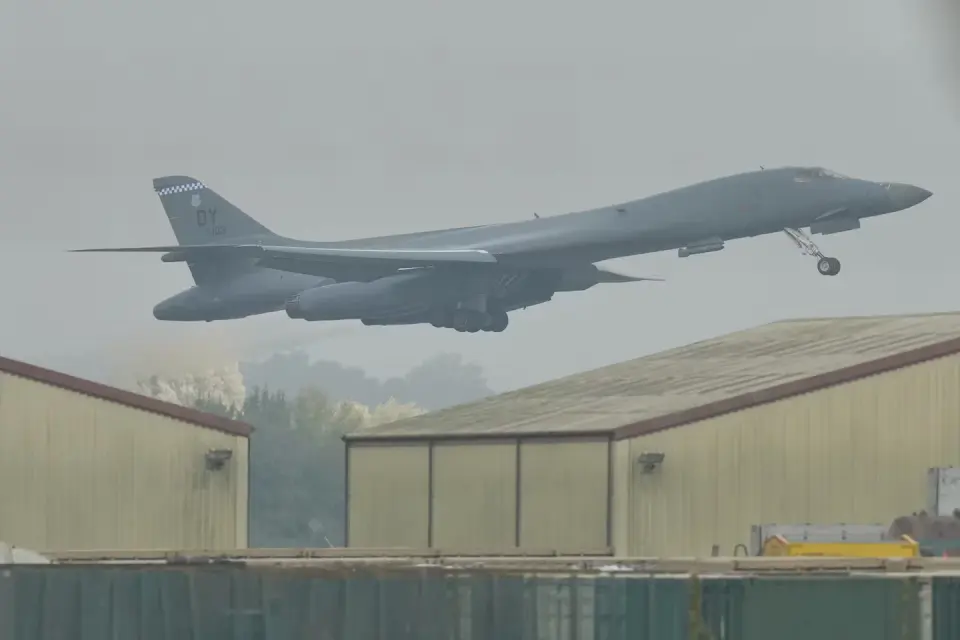
Despite U.S. claims of decimating Iran’s military, Tehran’s asymmetric tactics have forced the evacuation of 12 B-1 bombers from RAF Fairford in the UK. This move highlights how drone threats and proxy actions continue to disrupt U.S. operations and global energy markets, even as conventional forces remain dominant.
Key points
- U.S. B-1 bombers were secretly withdrawn from RAF Fairford in the UK due to fears of an Iranian 'swarm drone' attack, despite no confirmed evidence of such a plot.
- The evacuation occurred days after Defense Secretary Pete Hegseth declared Iran’s military 'destroyed,' highlighting a gap between official rhetoric and operational realities.
- Iran has leveraged drone strikes on oil tankers in the Strait of Hormuz and proxy attacks to disrupt global energy supplies and challenge U.S. dominance.
- British police investigated a suspected plot involving cargo vans near RAF Fairford but found no weapons or explosives, releasing all suspects on bail.
- Former CIA official Norman Roule noted that while the bomber relocation has limited strategic impact, it forces a reevaluation of base vulnerabilities in the age of drone warfare.
Background
The U.S.-Iran conflict began in February 2026, with U.S. and Israeli airstrikes targeting Iranian leadership and infrastructure. Despite these efforts, Iran has continued to employ asymmetric tactics, including drone attacks and proxy operations, to maintain pressure on the U.S. and its allies. The evacuation of B-1 bombers from RAF Fairford, a key staging point for U.S. strikes, underscores the ongoing challenges posed by Iran’s unconventional warfare strategies.
Why it matters
The evacuation of B-1 bombers from RAF Fairford illustrates the enduring impact of Iran’s asymmetric warfare capabilities, even after significant U.S. military strikes. It highlights the need for the U.S. to adapt its defensive strategies to address emerging threats from drones and proxy networks, while also raising questions about the effectiveness of current intelligence assessments and the balance between caution and operational readiness.
What to watch
The U.S. may continue to reassess the security of its overseas bases in response to drone threats, while Iran could escalate its asymmetric tactics to further disrupt U.S. operations and global energy markets. The outcome of ongoing investigations into the RAF Fairford plot will also influence future security measures and intelligence sharing between the U.S. and its allies.
- Pullout of B-1 bombers shows how an outgunned Iran is keeping the U.S. on edge The Washington Post
- U.S. moves long-range bombers from U.K. And, Israel allegedly warned before Oct. 7 NPR
- Man Arrested in Connection With Incident at UK Air Base RAF Fairford The New York Times
- Secretary of State Marco Rubio Remarks to the Press U.S. Department of State (.gov)
- Investigation continues into whether U.K. air base incident is linked to Iran NPR
Want the full story? Read the original reporting
Read on The Washington Post