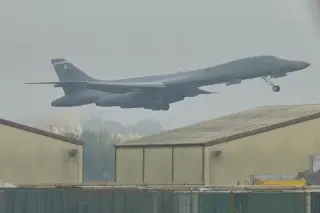
Despite U.S. claims of decimating Iran’s military, Tehran’s asymmetric tactics have forced the evacuation of 12 B-1 bombers from RAF Fairford in the UK. This move highlights how drone threats and proxy actions continue to disrupt U.S. operations and global energy markets, even as conventional forces remain dominant.
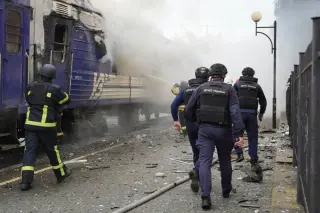
A surge in Russian strikes and covert plots has raised alarms in Washington and Warsaw regarding potential escalation. Recent incidents include a train strike endangering former European leaders and CIA officers, and drones suspected of tracking Ukrainian President Volodymyr Zelensky. Polish Prime Minister Donald Tusk warned that intelligence indicates Russia plans 'accidental' drone strikes on NATO allies to undermine Article 5 cohesion. Tusk also highlighted the deployment of new high-speed jet-powered drones that current defenses struggle to counter, urging European unity against hybrid attacks.
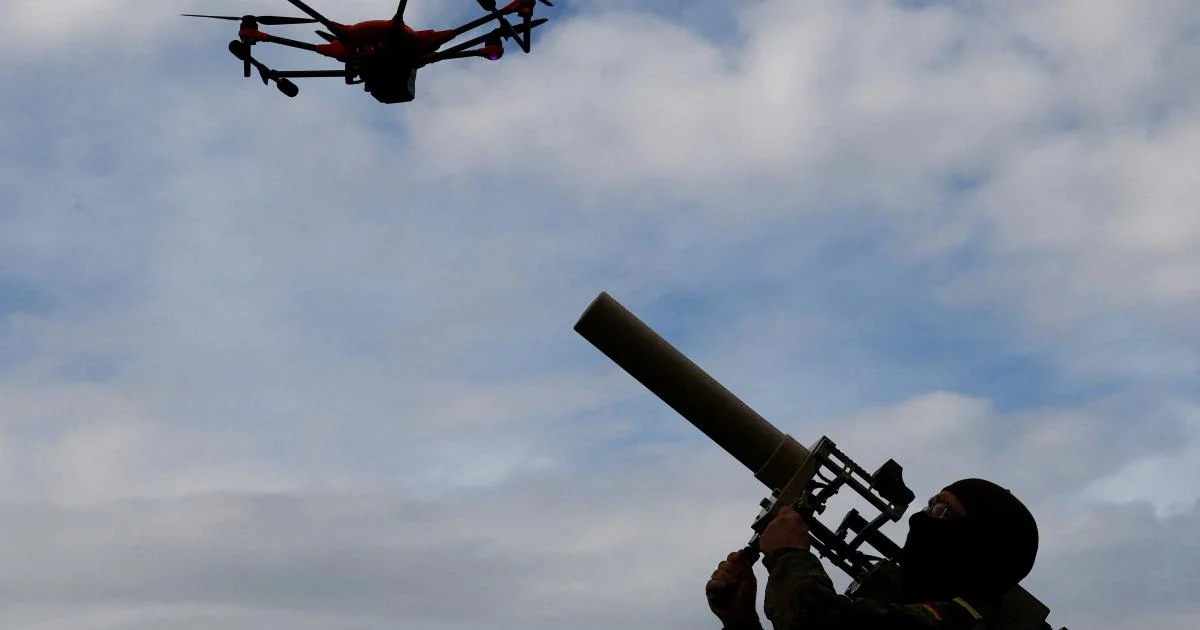
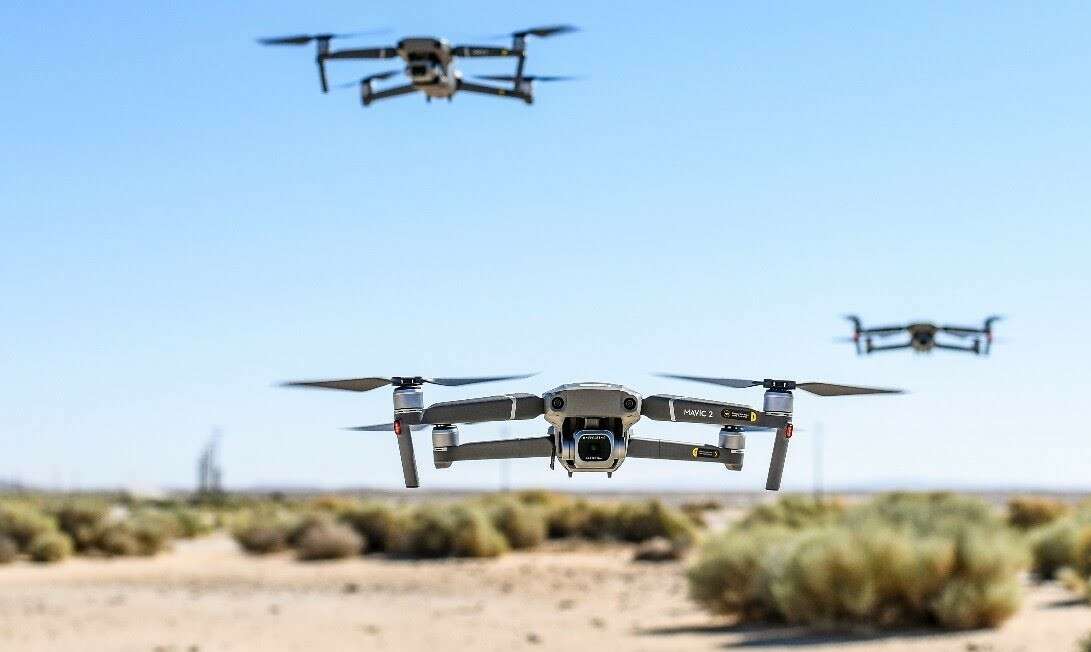
The article highlights the growing threat of drones to U.S. security, emphasizing recent drone attacks in Ukraine as a warning. It discusses current vulnerabilities in U.S. drone defense systems, the need for comprehensive detection and mitigation strategies, and the importance of international cooperation and legislative action to enhance national security against drone threats. Urgent steps are required to develop layered defenses, close regulatory gaps, and address supply chain risks, or the U.S. risks facing a preventable crisis.
Defense Secretary Pete Hegseth has directed the Army to establish a new interagency task force, JIATF 401, to develop and rapidly deploy counter-unmanned aerial systems capabilities across the U.S. military, with significant authority and funding to outpace adversaries and address drone threats.
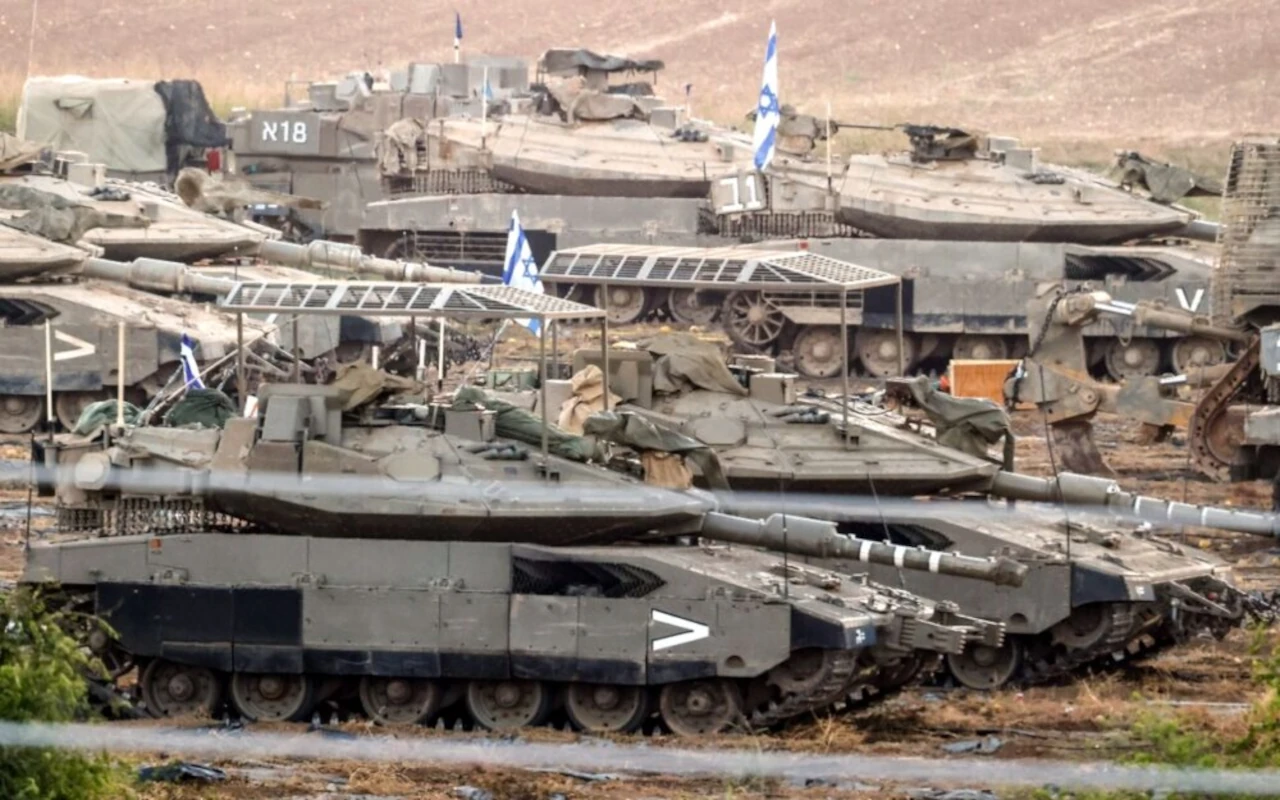
Metal cages, known as anti-drone cages, are being installed on tanks to protect against the threat of low-flying drones. These cages, seen on Russian tanks and now on Israeli Merkava 4 tanks, aim to prevent drones from monitoring, targeting, or launching direct attacks. Main battle tanks are vulnerable to attacks from above due to their thicker front and side armor compared to the top armor. The cages, resembling frames, consist of metal mesh and corrugated metal roofs, deflecting mortar attacks from drones. However, these cages also pose challenges for tank crews in emergency situations. The use of anti-drone cages is becoming more common, with India's military and even the Ukrainian Armed Forces adopting them. Building a comprehensive defense system is crucial to fully protect against drone threats.
Mobile internet access will be temporarily unavailable at the St. Petersburg International Economic Forum (SPIEF) ahead of President Vladimir Putin’s keynote speech due to security measures against possible drone attacks. Participants and guests are advised to use a dedicated Wi-Fi network. Russian authorities have become increasingly concerned about drone threats following a thwarted May 3 strike on the Kremlin, which they called an assassination attempt by Kyiv on the Russian president.