
US hits Qeshm Island as Vance signals peace talks progress
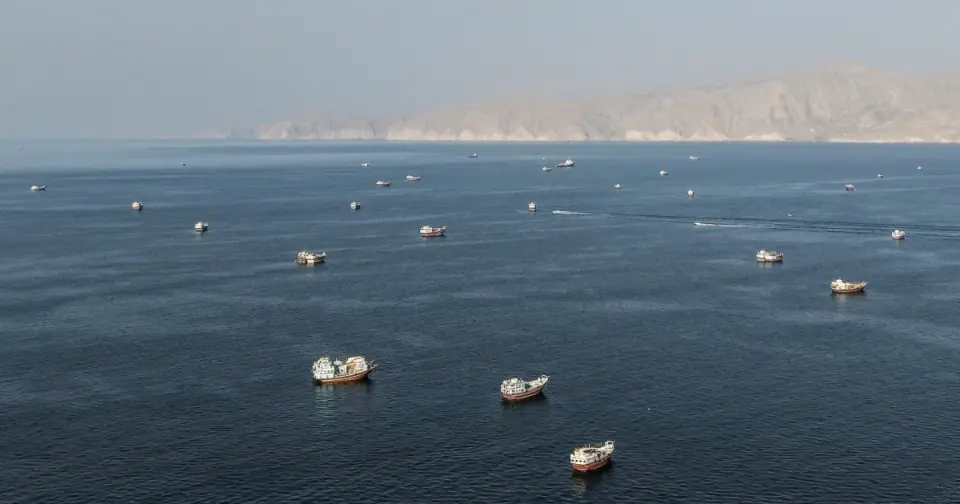
The US military conducted limited defensive strikes on Iran’s Qeshm Island on Monday, targeting missile launchers that threatened American assets. Officials framed the action as self-defense rather than a resumption of major combat, occurring just before US midterm elections. Simultaneously, Vice President JD Vance expressed optimism regarding a potential negotiated settlement, while Iran’s parliament speaker insisted the US must meet Tehran’s demands to prevent war.
Key points
- US officials described the Monday strikes on Qeshm Island as limited defensive measures against Iranian surface-to-air missiles, not a return to major combat operations.
- Iranian state media reported five explosions on the island, which houses strategic radar systems and missile launchers overlooking the Strait of Hormuz.
- Vice President JD Vance stated that Washington and Tehran have had good conversations and that prospects for a negotiated settlement are positive.
- Iran’s parliament speaker Mohammad Bagher Ghalibaf declared that Tehran has delivered a rational response and the ball is now in the US court to prevent war.
- Oil prices dropped sharply on Monday as diplomatic efforts appeared to progress, despite the military strikes and ongoing naval blockade.
Background
These strikes follow an eight-month conflict that has cost US taxpayers at least $47 billion and disrupted global energy markets. A US naval blockade remains in place to prevent Iranian oil exports, with additional carrier groups en route to the region. Previous diplomatic attempts have failed to materialize a deal, though back-channel efforts via Qatar continue.
How outlets are covering it
NBC News emphasized the defensive nature of the strikes and the timing relative to midterm elections, noting Trump’s prior commitment to avoid major strikes before Tuesday. Al Jazeera highlighted Iran’s firm demands, including lifting sanctions and unfreezing assets, and noted that Iranian officials view previous US attacks during diplomacy as a breach of trust. Both sources agreed that while military action occurred, diplomatic channels remained active, with Vance expressing optimism and Iran’s leadership warning against strategic errors by Washington.
Why it matters
The strikes underscore the fragile balance between military escalation and diplomatic resolution in the Middle East. The timing, just before US midterms, highlights how the conflict impacts domestic politics and energy prices. The continued naval blockade and diplomatic back-channels suggest a complex standoff where limited military actions coexist with ongoing negotiations, affecting global oil markets and regional stability.
What to watch
Watch for further diplomatic developments in Doha, where Qatari mediators are facilitating talks. Monitor oil price fluctuations, which may rise if strikes escalate or fall if a deal emerges. Track US naval movements, as additional carrier groups are approaching the region. Iran’s demands for sanctions relief and asset unfreezing will likely remain central to any potential agreement.
- U.S. military carries out limited strikes on Iran’s Qeshm Island, U.S. officials say NBC News
- Iran war live: US carries out ‘defensive’ strikes in Strait of Hormuz Al Jazeera
- Oil edges up after report of US strike on Iran's Qeshm Island Reuters
- US launches strikes on Iranian island ahead of election BBC
- Exclusive | U.S. Strikes Iran’s Qeshm Island as Trump Talks Down War Risks WSJ
Want the full story? Read the original reporting
Read on NBC News