
BOJ Rate Hike to 31-Year High Sparks Market Confusion Amid US Pressure
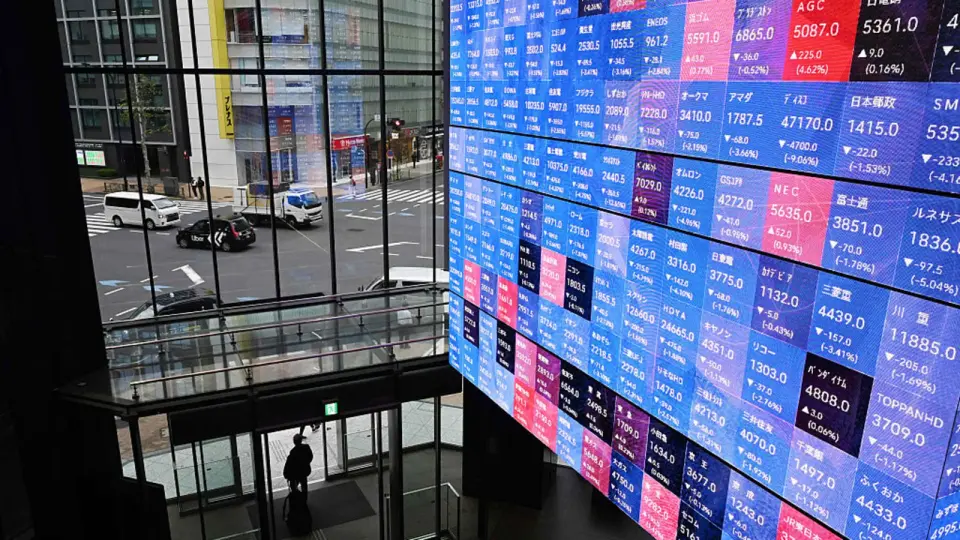
The Bank of Japan raised its policy rate to 1.25%, a 31-year high, but markets reacted counterintuitively with a weaker yen and rising stocks due to a split decision and lack of hawkish guidance.
Key points
- The BOJ raised rates by 25 basis points to 1.25%, the highest since 1995, just three months after the previous hike.
- The decision was split 7-2, with two board members appointed by PM Takaichi dissenting, signaling a less hawkish stance than expected.
- Markets reacted unexpectedly: the yen weakened past 157 against the dollar, 10-year JGB yields slipped, and the Nikkei 225 rose 1.5%.
- US Treasury Secretary Scott Bessent publicly pressured the BOJ to raise rates to support the yen, creating tension with Tokyo's desire for lower rates.
- Analysts expect another hike around December, but disagree on the terminal rate, with estimates ranging from 1.75% to 2% by 2027.
Background
Japan has been raising rates since 2024, moving away from decades of ultra-low borrowing costs. The BOJ had previously hiked rates five times in the last two and a half years. In August, Japan and the US jointly intervened to support the yen after it fell to a 40-year low. The current hike follows rate increases by the Federal Reserve and European Central Bank, driven by rising energy prices from the Iran war and Middle East tensions.
How outlets are covering it
CNBC and The New York Times both highlight the split decision (7-2) and the absence of updated economic forecasts as reasons for the counterintuitive market reaction. CNBC emphasizes the dissenting votes by Toichiro Asada and Ayano Sato, who argued core inflation was below 2% and economic conditions were not strong enough for a hike. The New York Times adds that the two dissenters were appointed by PM Sanae Takaichi, who has pushed for lower rates to fund government spending, and notes that Bessent's public pressure created an impression that the BOJ was 'co-opted.' BBC focuses on the broader context of global rate hikes and the BOJ's move away from ultra-low borrowing costs, noting that Japan faces a weak yen, rising prices, and a shrinking workforce. All three sources agree that the BOJ will likely continue raising rates, but disagree on the pace and terminal rate, with some analysts expecting a terminal rate of 1.75%-2% by 2027, while others see limited subsequent moves due to weak demand-driven inflation.
Why it matters
The BOJ's rate hike signals a shift in Japan's monetary policy, but the split decision and lack of hawkish guidance have created uncertainty about the pace of future hikes. The tension between US pressure for higher rates and Tokyo's desire for lower rates could impact the yen, inflation, and global capital flows. The counterintuitive market reaction suggests that investors are uncertain about the BOJ's future direction, which could affect global financial markets and trade balances.
What to watch
The BOJ is expected to raise rates again around December, with the next hike likely to be another 25 basis points. Analysts expect the terminal rate to be between 1.75% and 2% by 2027, but the pace of hikes may be slower than expected due to weak demand-driven inflation and disappointing real-wage growth. The BOJ will continue to monitor underlying inflation and currency developments, with the goal of stabilizing inflation at its 2% target. The tension between US and Japanese policymakers may continue to influence the BOJ's decisions, with Bessent's public pressure potentially serving as a check on the Takaichi administration's efforts to restrain rate hikes.
- Why Japanese stocks rose as government bond yields and the yen fell after rate hike CNBC
- BOJ live: Japan's central bank raises policy rate to 31-year high Reuters
- Japan raises interest rate to new 31-year high to curb rising prices BBC
- BOJ Hikes Rates at Fastest Pace Since 1990 as Inflation Persists Bloomberg.com
- Japan Raises Interest Rates in a Decision Muddied by U.S. Pressure The New York Times
Want the full story? Read the original reporting
Read on CNBC