
FEMA conducts routine nationwide alert test amid tech-outage anxiety
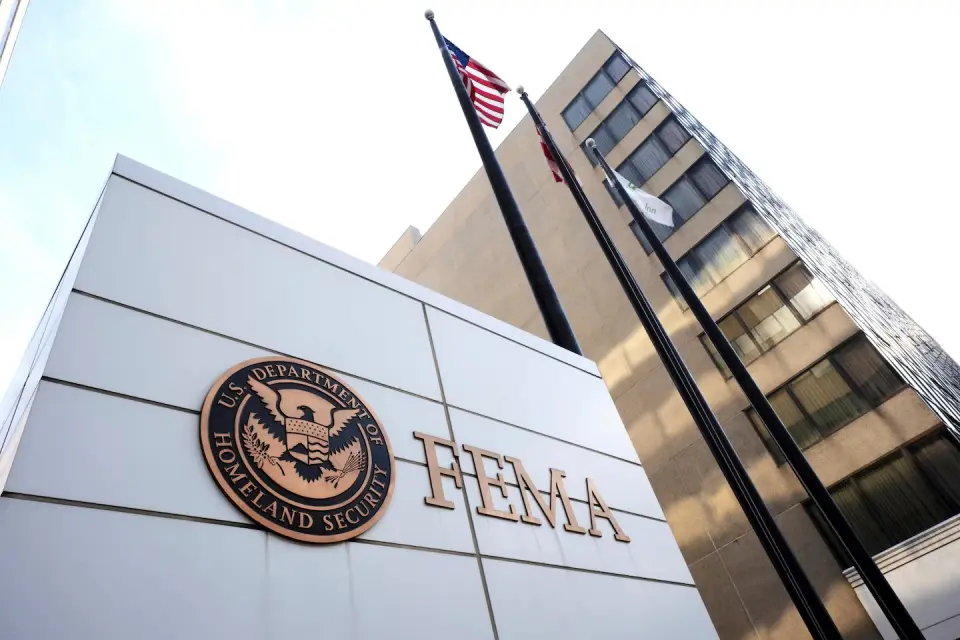
The Federal Emergency Management Agency (FEMA) conducted a routine nationwide test of the Emergency Alert System (EAS) on Tuesday, November 17, 2026. The one-minute alert, broadcast on radio and television at 2:20 p.m. Eastern Time, was a legal requirement mandated every three years. While the test coincided with recent high-profile tech outages that fueled public anxiety and conspiracy theories about a grid blackout, officials confirmed the event was a standard drill with no actual emergency. Wireless alerts to cellphones were not part of this specific test, which focused solely on broadcast media.
Key points
- FEMA and the Federal Communications Commission (FCC) conducted a routine nationwide test of the Emergency Alert System on November 17, 2026, at approximately 2:20 p.m. Eastern Time.
- The test, mandated by law every three years, involved a one-minute alert broadcast on radio, cable, and satellite television, but did not include wireless alerts to cellphones.
- The alert message explicitly stated that it was a test and that no action was required by the public, aiming to prevent panic during a period of heightened anxiety over recent tech failures.
- FEMA Administrator Cameron Hamilton emphasized that these tests help identify and fix potential issues before an actual emergency occurs, ensuring the public receives critical safety information when needed.
- The timing of the test coincided with viral conspiracy theories and rumors of a nationwide blackout, prompting officials to clarify that the event was a standard legal requirement and not a warning of a grid shutdown.
Background
The Emergency Alert System (EAS) is a nationwide public alert and warning system required to be tested at least every three years. The last nationwide test was in October 2023, which also included a test of Wireless Emergency Alerts sent to cellphones. This year’s test focused solely on the EAS for radio and TV. A statewide version of the test was conducted in Alaska in October 2026 as a precursor to the nationwide drill. The test was scheduled months in advance, but its execution coincided with a period of significant public anxiety over recent tech outages and fragile digital systems, leading to widespread misinformation and conspiracy theories on social media.
How outlets are covering it
The Washington Post and CNN both emphasized the routine nature of the test and the importance of public calm, noting that the alert was a legal requirement and not a sign of an actual emergency. CNN highlighted the inopportune timing given recent tech failures and the resulting anxiety, while also noting that the test was being incorporated into social media conspiracy theories. The Washington Post focused on the technical details of the test, including the message content and the fact that wireless alerts were not included. FEMA’s statement, as reported by both outlets, stressed the importance of the test for identifying and fixing potential issues before an actual emergency. The archive articles from our own coverage further confirmed the routine nature of the test and the widespread misinformation that surrounded it, with fact-checkers debunking viral claims of a 90-day blackout.
Why it matters
The routine nature of the EAS test is crucial for maintaining public trust and ensuring that the alert system is functional in the event of a real emergency. However, the timing of the test, coinciding with recent tech outages and public anxiety, highlighted the potential for misinformation and panic. The test serves as a reminder of the importance of clear communication and public education in managing emergency alerts, especially during periods of heightened concern over digital infrastructure. It also underscores the need for fact-checking and official clarification to counter conspiracy theories and unfounded rumors that can spread rapidly on social media.
What to watch
The next nationwide EAS test is not scheduled until at least three years from now, as required by law. FEMA and the FCC will continue to monitor the system and address any issues identified during the test. Public awareness and preparedness for actual emergencies remain important, and officials will likely continue to emphasize the routine nature of such tests to prevent future misinformation. The backup date for the test, in case of an actual emergency or significant weather event, was December 3, 2026, but the test was successfully conducted on November 17.
- FEMA will test its Emergency Alert System today. Here’s what to expect. The Washington Post
- ‘This is only a test’: FEMA’s emergency alert test went smoothly, officials say CNN
- Stay calm — the government is just testing the emergency alert system today Axios
- Debunking social media posts that claim a 90-day blackout will start Nov. 17 PBS
- Emergency alert test to interrupt Crossroads broadcasts this afternoon The Victoria Advocate
Want the full story? Read the original reporting
Read on The Washington Post