
CDC Report: Drug-Resistant Germs Cause 9.7 Million US Infections Annually
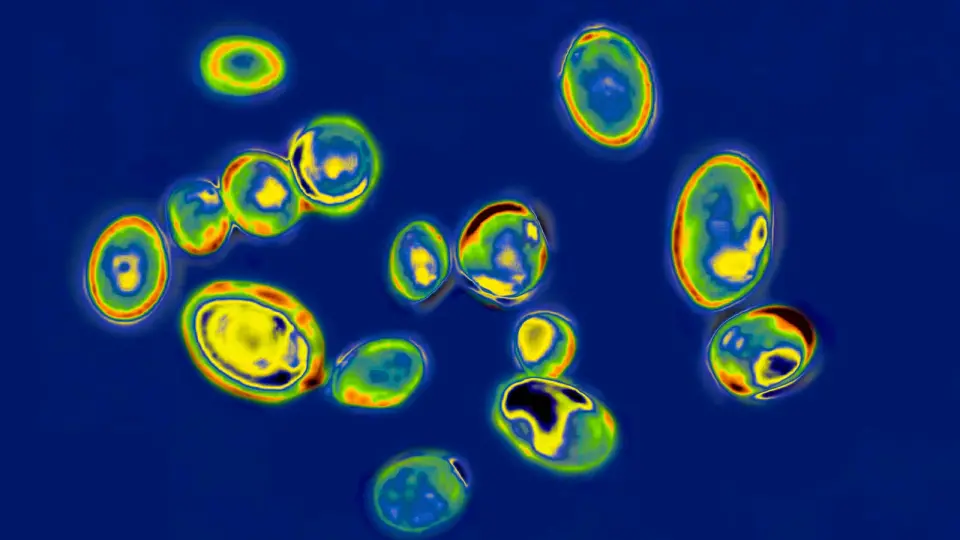
The CDC’s latest report identifies drug-resistant germs as a growing threat, causing 9.7 million infections and 50,800 deaths annually in the US. Four pathogens are classified as 'urgent' threats, including Candida auris and drug-resistant gonorrhea, while hospital-acquired infections cost $12 billion. Experts warn that resistance undermines modern medicine, though better antibiotic stewardship has reduced C. diff cases.
Key points
- Drug-resistant pathogens cause an estimated 9.7 million infections and 50,800 deaths in the US each year, up from 2.8 million infections and 35,000 deaths in 2019.
- The CDC classifies four germs as 'urgent' threats: Candida auris, Neisseria gonorrhoeae, carbapenem-resistant Enterobacterales, and carbapenem-resistant Acinetobacter.
- Candida auris cases increased tenfold since 2019, with 4,523 infections reported in 2023, primarily affecting vulnerable patients in healthcare settings.
- Hospital-acquired drug-resistant infections cost the US healthcare system over $12 billion in 2023, with 42,000 associated deaths.
- Clostridioides difficile was downgraded from an 'urgent' to a 'serious' threat due to a 9% decline in infections since 2018, attributed to improved infection control and antibiotic stewardship.
Background
This report follows earlier CDC data highlighting rising drug-resistant Shigella cases, which jumped from 0% to 8.5% of tested samples between 2011 and 2023. The current findings expand on previous concerns about antimicrobial resistance, emphasizing the broader impact on modern medicine and public health infrastructure.
How outlets are covering it
ABC News and NBC News focus on the overall rise in drug-resistant infections and the CDC’s warning about their threat to public health. CIDRAP provides detailed comparisons with 2019 data, noting that while infection numbers have risen, methodological changes limit direct comparisons. Yahoo highlights MRSA as a 'serious' threat, detailing state-level variations in cases, with California, Pennsylvania, and Texas reporting the highest numbers. All sources agree on the urgency of addressing antimicrobial resistance but differ in emphasis: ABC and NBC stress the human toll, CIDRAP focuses on data trends, and Yahoo highlights geographic disparities and prevention measures.
Why it matters
Drug-resistant germs undermine the effectiveness of antibiotics, which are essential for treating infections and supporting modern medical procedures like surgeries and joint replacements. The rising number of infections and deaths highlights the need for better antibiotic stewardship, new drug development, and infection control measures to mitigate the growing threat to public health.
What to watch
The CDC will continue monitoring drug-resistant pathogens, including those on its 'watch list,' such as drug-resistant ringworm and Bordetella pertussis. Experts call for increased investment in new antibiotics and improved infection prevention strategies to address the growing threat of antimicrobial resistance.
- Drug-resistant germs are 'growing threat' to US, causing more than 50,000 deaths annually: CDC ABC News - Breaking News, Latest News and Videos
- These superbugs pose the biggest threat to Americans, CDC says The Washington Post
- CDC report shows rise in drug-resistant infections, deaths in US CIDRAP
- Map shows where MRSA most drug-resistant as CDC warns "serious threat" Yahoo
- CDC warns of rising threat of drug-resistant germs, which kill 50,000 people per year NBC News
Want the full story? Read the original reporting
Read on ABC News - Breaking News, Latest News and Videos