Tag

Infectious Diseases

All articles tagged with #infectious diseases

Global Study: 12% of 2024 Cancer Cases Linked to Preventable Infections
health4 days ago

Global Study: 12% of 2024 Cancer Cases Linked to Preventable Infections

A new study in The Lancet Oncology estimates that 2.3 million new cancer cases worldwide in 2024, or 12% of all diagnoses, were caused by 12 specific infections. Helicobacter pylori and HPV were the leading contributors, accounting for over 1.5 million cases. While effective prevention tools like vaccines and treatments exist for most of these pathogens, 77% of these cancer cases occurred in low- and middle-income countries due to uneven access to healthcare.
Global Study: 12% of Cancers Are Preventable Infections
health5 days ago

Global Study: 12% of Cancers Are Preventable Infections

A new analysis in The Lancet Oncology finds that 2.3 million new cancer cases in 2024, or 12% of the global total, were caused by infections. Five pathogens—H. pylori, HPV, hepatitis B, Epstein-Barr virus, and hepatitis C—account for nearly all cases. Experts emphasize that vaccines, screening, and treatments can prevent these cancers, though access remains unequal.

WHO Study Links 12% of Global Cancers to Preventable Infections
health6 days ago

WHO Study Links 12% of Global Cancers to Preventable Infections

A new World Health Organization study published in The Lancet Oncology finds that 12% of global cancer cases in 2024, totaling 2.3 million, were caused by infections. Five pathogens account for nearly all cases, with Helicobacter pylori and HPV leading. The research highlights that many of these cancers are preventable through vaccination and treatment, though access remains limited in low-income regions.

Global Study Links 2.3 Million Cancers to Infections, Highlighting Prevention Gaps
health6 days ago

Global Study Links 2.3 Million Cancers to Infections, Highlighting Prevention Gaps

A new WHO study published in The Lancet Oncology estimates that 12% of all global cancer cases in 2024, totaling 2.3 million, were caused by infections. Five pathogens—Helicobacter pylori, HPV, hepatitis B, Epstein-Barr virus, and hepatitis C—account for the vast majority of these cases. While these cancers are largely preventable through vaccination and treatment, access to these interventions remains severely limited in low- and middle-income countries, where 75% of infection-related cancers occur.

Global Study: Infections Cause 12% of New Cancers, Highlighting Preventable Risks
health10 days ago

Global Study: Infections Cause 12% of New Cancers, Highlighting Preventable Risks

A new study in The Lancet Oncology estimates that 2.3 million new cancer cases worldwide in 2024, or 12% of all diagnoses, were caused by infectious agents. The five most significant pathogens are Helicobacter pylori, human papillomavirus (HPV), hepatitis B, Epstein-Barr virus, and hepatitis C. Researchers emphasize that many of these cancers are preventable through vaccination, screening, and treatment, though access to these interventions remains uneven globally.

Warming World, Widespread Infections: How Climate Change Expands Disease Frontiers
health29 days ago

Warming World, Widespread Infections: How Climate Change Expands Disease Frontiers

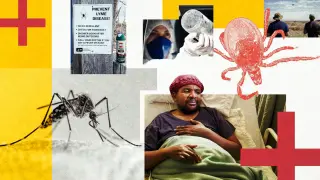
Climate change is reshaping where infections spread: ticks and mosquitoes will carry more diseases into new regions (Lyme, West Nile, malaria, dengue), warming will expand Valley fever in the U.S. Southwest, flooding and drought will compound outbreaks, and rising drought may accelerate antibiotic resistance in soil microbes—necessitating stronger public health measures, better surveillance, and climate mitigation to reduce future risks.

Midsummer spike: US rabies cases up 17% as CDC flags exposure events
health29 days ago

Midsummer spike: US rabies cases up 17% as CDC flags exposure events

Rabies cases in the United States rose 17% between July and August compared with the same period a year earlier, driven by high-profile outbreaks and exposure events, including rabid beavers in Maryland and baby goats testing positive at a North Carolina zoo. The CDC reported increased post-exposure treatment activity and some errors in administering treatment. Rabies remains nearly always fatal if not treated promptly; vaccines after exposure prevent disease. Annually about 1.4 million Americans seek medical care after suspected rabies exposure and about 100,000 receive post-exposure treatment, with fewer than 10 deaths per year.

Aging muscle loss may boost infection risk, new research suggests
health-and-wellness1 month ago

Aging muscle loss may boost infection risk, new research suggests

Aging is linked to sarcopenia, a gradual loss of muscle mass that begins around age 30 and accelerates with time. A large study of more than 458,000 adults found those with sarcopenia had higher infection rates, suggesting muscle health supports immune resilience, though causation isn’t proven. Regular exercise and strategies to preserve muscle mass may help reduce infection risk.

Lancaster County infant dies of measles as outbreak persists
health1 month ago

Lancaster County infant dies of measles as outbreak persists

A Lancaster County coroner confirmed a 6-week-old Amish infant died at home from measles in August, the first child death attributed to the county’s current outbreak. State officials had previously announced two measles deaths, and public health leaders say the outbreak is among the nation’s largest this year, underscoring the seriousness of measles and its potential for severe respiratory illness.

Public health must come first: Adams critiques RFK Jr.'s priorities
health1 month ago

Public health must come first: Adams critiques RFK Jr.'s priorities

Dr. Jerome Adams, a former U.S. surgeon general, argues that RFK Jr.’s emphasis on chronic-disease prevention cannot come at the expense of mounting infectious-disease outbreaks and a weakened public-health infrastructure. He urges the secretary of Health and Human Services to act now with concrete steps: restore comprehensive FoodNet tracking, fill critical CDC/FDA leadership roles, prioritize high-risk foods and imports for inspection and recall, use vaccines as a clear, ongoing messaging priority, and bolster international health-security partnerships to protect Americans at home. The piece contends outbreaks and vaccine coverage are interlinked challenges that require a proactive, well-resourced public-health response.

AI-designed viruses: vast promise, guarded progress
opinions1 month ago

AI-designed viruses: vast promise, guarded progress

AI can design novel viruses with potential to accelerate vaccines and therapies, but poses misuse risks; the Washington Post Editorial Board argues for handling the risk through stronger physical infrastructure and lab screening standards for gene synthesis, not censorship, pointing to a bipartisan Senate measure attached to the NDAA to help prevent abuse while preserving innovation.

Congo's Ebola crisis surges to 2,000 deaths, fastest-spreading outbreak yet
world2 months ago

Congo's Ebola crisis surges to 2,000 deaths, fastest-spreading outbreak yet

Health authorities report Congo's Bundibugyo Ebola outbreak has reached at least 2,000 deaths and 4,381 confirmed cases, making it the fastest-growing Ebola outbreak on record. The epicenter is in Ituri, eastern Congo, where vaccine and treatment options are limited. The outbreak's high fatality rate (about 45.9%) and transmission outside monitored contacts are intensifying the challenge, while factors like rebel conflict, poor infrastructure, and worker strikes complicate response efforts; vaccine trials are underway in the region.