Tag

Cancer Prevention

All articles tagged with #cancer prevention

Preventable liver disease propels rise in liver cancer deaths worldwide
health21 days ago

Preventable liver disease propels rise in liver cancer deaths worldwide

Liver cancer deaths are rising globally, including in the UK, with most cases linked to preventable liver disease caused by obesity, type 2 diabetes, excess alcohol, and viral hepatitis. At least 60% of primary liver cancers may be preventable by addressing these risk factors. Early detection and lifestyle changes can reduce risk and improve survival, but without urgent government action—such as restricting alcohol and ultra-processed foods, expanding addiction services and hepatitis testing, and implementing policy reforms—the trend is unlikely to reverse.

HPV Vaccine Milestone Meets New Challenge: Rising HPV-Related Cancers in Men
health1 month ago

HPV Vaccine Milestone Meets New Challenge: Rising HPV-Related Cancers in Men

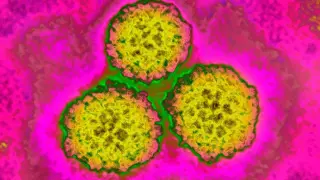
Twenty years after the HPV vaccine’s approval, HPV-related cancers—especially head and neck cancers in men—are rising, even as vaccination and screening have reduced cervical cancer. HPV is transmitted sexually and can silently cause tumors in the throat, making early detection difficult. Vaccination coverage among teens is improving but remains incomplete, while studies show vaccinated individuals have significantly lower oral HPV infections and cancer risk. The piece centers on Michael Whelan’s battle with late-stage HPV-driven cancer to highlight the vaccine’s potential to prevent future cases and reduce suffering, urging broader awareness and uptake.

GLP-1 Weight-Loss Drugs Linked to Lower Breast Cancer Risk, Prompting New Trials
health1 month ago

GLP-1 Weight-Loss Drugs Linked to Lower Breast Cancer Risk, Prompting New Trials

New observational studies presented at ASCO suggest GLP-1 medications used for diabetes and weight loss (e.g., semaglutide, liraglutide) are associated with a lower incidence of breast cancer and, among those diagnosed, reduced progression and mortality. While promising, the studies cannot prove causation, and researchers are planning randomized trials to test whether GLP-1 drugs can help prevent breast cancer or improve outcomes in high-risk individuals.

GLP-1 Weight-Loss Drugs Linked to Lower Cancer Risk and Mortality in New Studies
health1 month ago

GLP-1 Weight-Loss Drugs Linked to Lower Cancer Risk and Mortality in New Studies

At ASCO's annual meeting, several studies suggest GLP-1 weight-loss drugs may reduce cancer risk and improve outcomes: in 110,000 women, a 30% lower incidence of breast cancer; in 27,000 breast cancer patients, a 30% lower risk of death when added to standard treatment; and in 12,000 patients with multiple cancers, a 38–50% lower likelihood of progressing to stage IV. The findings are observational and not yet definitive; more research is needed to determine whether benefits come from weight loss or direct anti-cancer effects, though anti-inflammatory and immune-modulatory mechanisms are plausible.

Small daily choices could slash cancer risk by up to 40%
health1 month ago

Small daily choices could slash cancer risk by up to 40%

A Nature Medicine study links nearly 40% of cancers and about half of cancer deaths to preventable factors like tobacco use, obesity, unhealthy diets, physical inactivity, alcohol, and air pollution. Chronic exposure to these habits can foster inflammation that promotes cancer over time. Emphasizing early detection and regular screening, the article advocates simple daily changes—maintaining a healthy weight, exercising, getting enough sleep, managing stress, and avoiding tobacco—to significantly reduce risk, while noting that not all cancers are preventable.

Small daily changes can cut cancer risk, says oncologist
lifestyle1 month ago

Small daily changes can cut cancer risk, says oncologist

Dr. Ruchir Tandon says about 40% of cancers are preventable and that everyday habits— quitting smoking, maintaining a healthy weight, staying physically active, eating fiber-rich vegetables and olive oil, limiting processed meats and alcohol, protecting the skin, and prioritizing sleep—collectively reduce cancer risk. He notes small, sustained lifestyle changes compound over time, and pairing these with age-appropriate cancer screening can significantly shift the odds in favour of prevention.

Wastewater detects all major cancer-causing viruses, signaling new public health monitoring
health1 month ago

Wastewater detects all major cancer-causing viruses, signaling new public health monitoring

A Baylor College of Medicine-led study analysed wastewater from more than 40 sites across 16 Texas cities (May 2022–May 2025) using hybrid-capture sequencing to detect all major oncogenic viruses, including HPV, hepatitis B and C, EBV and Kaposi’s sarcoma–related herpesvirus; the study found increases in HPV, EBV and some polyomaviruses after 2024 and detected all nine HPV types targeted by Gardasil 9 in wastewater, suggesting environmental monitoring could track cancer risk and measure vaccination impact for prevention and health surveillance.

HPV vaccine cuts cancer risk for boys and men, new study shows
health2 months ago

HPV vaccine cuts cancer risk for boys and men, new study shows

A large study finds the HPV vaccine halves the risk of HPV-related cancers in men; protection is strongest when vaccinated early (about 42% reduction for ages 9–14 and about 50% for ages 15–26), with catch-up vaccination up to 26 and shared clinical decision‑making for 27–45. Public health guidance emphasizes routine vaccination at ages 11–12 to prevent cancer across sexes and expand protection against multiple HPV strains.

Low-dose aspirin shows promise in cutting colorectal cancer risk for high-risk patients
health2 months ago

Low-dose aspirin shows promise in cutting colorectal cancer risk for high-risk patients

New trials and analyses indicate daily aspirin—especially at low doses (75–100 mg)—can significantly reduce colorectal cancer risk in high-risk groups like Lynch syndrome, with evolving evidence that this benefit may extend to other cancers. Guideline updates in the UK and Sweden reflect confidence in targeted use, but experts caution that aspirin’s risks (bleeding, ulcers) require medical supervision and that research continues to clarify mechanisms (Cox-2 and thromboxane pathways) and optimal dosing.

Cancer-free Chef Bonnell urges HPV vaccination to prevent cervical cancer
health2 months ago

Cancer-free Chef Bonnell urges HPV vaccination to prevent cervical cancer

Fort Worth chef Jon Bonnell, now cancer-free after treatments for head and neck cancer, is urging widespread HPV vaccination, arguing that vaccinating one generation could nearly eliminate cervical cancer and substantially reduce head-and-neck cancers, with international examples from Australia and Europe cited as evidence.

Prunes Show Real Health Potential: Bone, Gut and Cancer Protection (A Simple Snack That Delivers)
health3 months ago

Prunes Show Real Health Potential: Bone, Gut and Cancer Protection (A Simple Snack That Delivers)

Prunes are a nutrient-dense, fibre-rich snack that supports digestion, bone health (notably in postmenopausal women), and gut bacteria, with evidence suggesting they may help reduce bowel cancer risk due to their fibre and phenolic compounds. They’re generally safe for most people but can cause gas or digestive issues for those with IBS, and high potassium can be a concern for kidney disease. A practical intake is 3–5 prunes daily for fibre, with 8–12 prunes sometimes used to ease constipation; pair them with protein or fats and drink water to balance blood sugar and maximise benefits.

Five foods that may lower cancer risk, according to a leading oncologist
health4 months ago

Five foods that may lower cancer risk, according to a leading oncologist

A leading oncologist from Hackensack Meridian Health says a plant-forward, fiber-rich diet can help lower cancer risk over time. He highlights five key food groups: berries (rich in anthocyanins), tomatoes (lycopene), various whole grains (fiber), cruciferous vegetables (glucosinolates like sulforaphane), and garlic/onions (organosulfur compounds). The message is that overall dietary patterns, not a single “superfood,” along with weight management, reduced carcinogen exposure, sleep, physical activity, screening, and avoiding tobacco and excess alcohol, contribute to cancer prevention.

Sexual activity frequency linked to lower prostate cancer risk, study finds
lifestyle4 months ago

Sexual activity frequency linked to lower prostate cancer risk, study finds

A large U.S. cohort study found men who ejaculate 21+ times per month had about a 20% lower risk of being diagnosed with prostate cancer than those who ejaculate 4–7 times monthly, with the strongest effect seen in low-risk tumors. The association does not prove causation, and ejaculation should not replace regular screening or other healthy habits—diet, exercise, and avoiding smoking—when assessing overall prostate cancer risk.