
Pennsylvania Measles Crisis: High Mortality and Rare Congenital Cases Defy Standard Models
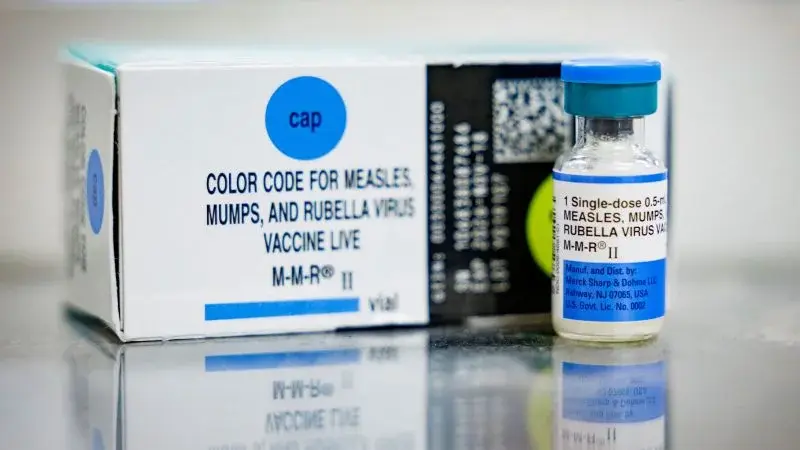
The Pennsylvania measles outbreak has become the deadliest in the US in over 30 years, with a mortality rate potentially five times higher than historical averages. The crisis is driven by a unique epidemiological shift: a large population of unvaccinated adults in Amish and Plain communities, which has led to rare cases of congenital measles and infant deaths. While the CDC and state officials dispute official death counts, experts warn that standard data models are failing to capture the true scale of the emergency.
Key points
- Pennsylvania has reported 1,286 measles cases and five confirmed deaths since April, with a sixth death under review in Franklin County.
- The state’s death rate is 1.5 to 5 times higher than the historical average of 1 to 3 deaths per 1,000 unvaccinated cases.
- Approximately two-thirds of cases in Pennsylvania are among adults, unlike the national trend where over 60% of cases are in children or teens.
- The Pennsylvania Department of Health issued an alert on October 20 regarding 66 pregnant women infected with measles and at least six infants born with congenital measles.
- A CDC 'disease detective' has been deployed to Pennsylvania to assess the outbreak's true scale and the impact of local vaccination efforts.
Background
This outbreak follows a period of minimal measles transmission in the US, which has left a generation of adults without natural immunity or vaccination. Previous coverage noted a political dispute between Pennsylvania and the CDC regarding death tolls, with the federal dashboard initially listing only three deaths against the state's five. The current crisis marks a significant departure from the 'eliminated' status of the disease in the US, highlighting the dangers of low vaccination rates in closed communities.
How outlets are covering it
CNN and CIDRAP emphasize the 'epidemiological shift' in Pennsylvania, where the high proportion of unvaccinated adults leads to severe outcomes and the failure of maternal antibody transfer to infants. STAT highlights a communication crisis, noting that public health officials' focus on worst-case scenarios may be fueling vaccine skepticism, even as experts argue that acknowledging the rarity of severe cases could build trust. NBC News focuses on the clinical rarity of congenital measles, noting that state law prevents the release of specific pregnancy outcome data, which obscures the full impact on mothers and newborns. All sources agree that the lack of historical data and underreporting in Amish communities make it difficult to benchmark the current crisis against past outbreaks.
Why it matters
The Pennsylvania outbreak demonstrates that measles is no longer a 'childhood disease' in the US, posing a lethal threat to unvaccinated adults and their unborn children. The discrepancy between state and federal death counts, combined with the emergence of congenital measles, signals a breakdown in public health surveillance and a potential long-term decline in population immunity. This situation underscores the critical need for updated communication strategies and robust epidemiological tracking to prevent further loss of life in vulnerable communities.
What to watch
Public health officials will continue to use 'boots on the ground' epidemiology to track cases in communities that do not seek conventional medical care. The CDC and Pennsylvania will likely continue to collaborate on the Epi-Aid program to standardize death reporting. Experts expect ongoing debates over vaccine messaging, with some advocates pushing for a more balanced approach that acknowledges the low fatality rate for healthy children while emphasizing the risks to the vulnerable. The state will also monitor for long-term complications, such as subacute sclerosing panencephalitis, in children born with congenital measles.
- One US measles outbreak is proving particularly deadly. Here’s why CNN
- A counterintuitive way to build trust in measles vaccines and public health STAT
- Pennsylvania raises alarm on congenital measles CIDRAP
- Pennsylvania warns of rise in congenital measles and infection during pregnancy NBC News
- CDC reports third measles death in the United States this year Al Jazeera
Want the full story? Read the original reporting
Read on CNN