
Rising Malaria Cases Linked to Climate Change Threat
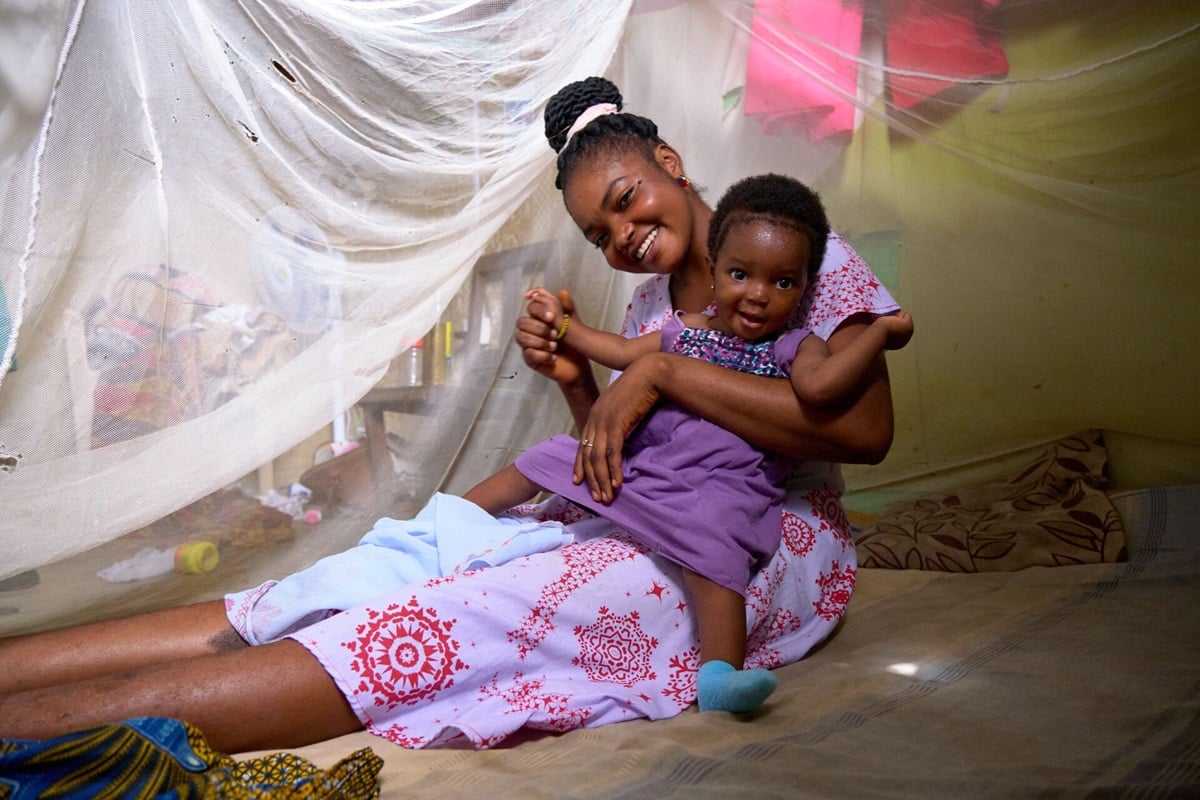
The World Health Organization (WHO) has released its annual malaria report, highlighting the growing threat of climate change on the fight against malaria. Despite progress in expanding access to prevention measures, such as insecticide-treated nets and medicines, there were an estimated 249 million malaria cases globally in 2022, surpassing pre-pandemic levels. Climate change impacts, including changes in temperature, humidity, and rainfall, can influence the behavior and survival of malaria-carrying mosquitoes. Extreme weather events, like flooding, can directly impact transmission and disease burden. The report emphasizes the need for sustainable and resilient malaria responses, along with urgent actions to mitigate climate change effects. The fight against malaria requires increased resources, political commitment, data-driven strategies, and innovative tools, with a focus on developing more efficient and affordable products.
- WHO's annual malaria report spotlights the growing threat of climate change World Health Organization
- Climate Change Drives New Cases of Malaria, Complicating Efforts to Fight the Disease The New York Times
- Climate crisis a ‘substantial risk’ to fight against malaria, says WHO The Guardian
- World at risk of losing malaria fight as cases rise, report says Reuters
- Malaria cases surged last year, driven by extreme weather events The Washington Post
Reading Insights
0
9
4 min
vs 5 min read
87%
957 → 126 words
Want the full story? Read the original article
Read on World Health Organization