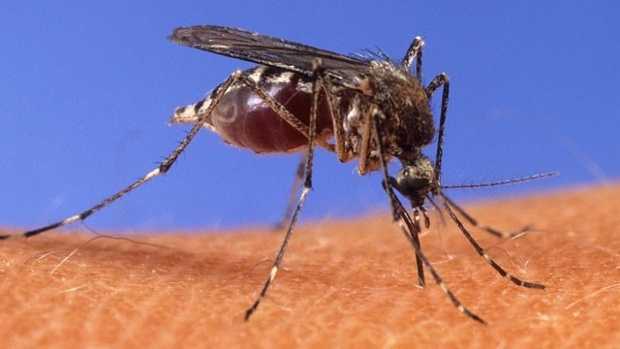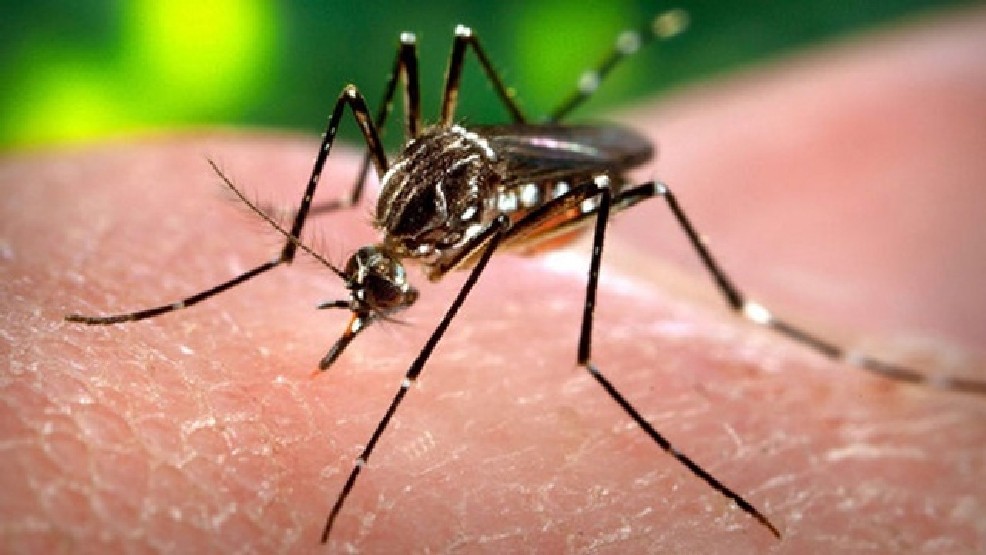
Tiny, Deadly Bites: Mosquitoes Claim 700,000 Lives Each Year
Globally, mosquitoes kill more than 700,000 people annually by spreading diseases such as malaria, dengue, West Nile virus, yellow fever, and Japanese encephalitis; malaria alone accounts for over 600,000 deaths each year, mainly in sub-Saharan Africa. Dengue infects about 400 million people annually with roughly 21,000 deaths. In the U.S., malaria has reemerged with locally acquired cases in 2023, while dengue cases surged in 2024 (up 359% above the 2010–2023 average) and West Nile virus reached a 22-year high. Vaccines exist for several of these diseases, but only a small fraction of the thousands of mosquito species transmit pathogens; most mosquitoes are harmless.