
US Loses Measles Elimination Status as Infants and Pregnant Women Face Rising Risks
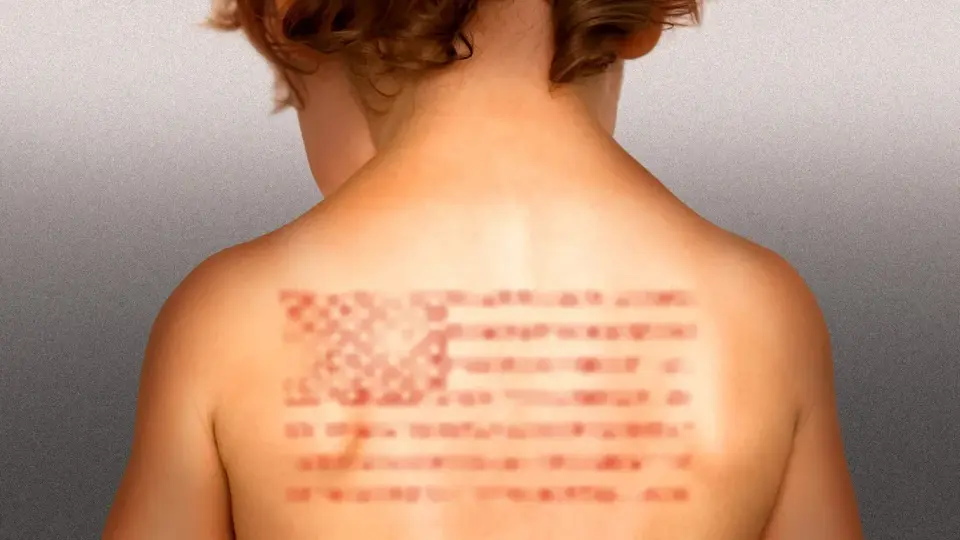
The Pan American Health Organization revoked the United States' measles elimination status after 26 years, citing over 7,700 cases and 10 deaths since the outbreak began in Texas. While the MMR vaccine remains highly effective, infants under six months cannot be vaccinated, leaving them vulnerable to a virus that is now endemic. New research highlights severe risks for pregnant women, including preterm birth and congenital infection, while questions arise over the CDC's delayed public alerts regarding these dangers.
Key points
- The Pan American Health Organization officially revoked the US measles elimination status on Tuesday, following 26 years of disease-free status.
- State health officials report 7,700 cases and 10 deaths since the outbreak started in Texas early last year, though the CDC currently lists only nine deaths.
- Infants under six months cannot receive the MMR vaccine, creating a vulnerable window where maternal antibodies decline and community protection is absent.
- A new study in the New England Journal of Medicine found that 112 pregnant women and 13 newborns were infected with measles in the past two years, with nearly 25% of infected women hospitalized for non-labor complications.
- The CDC delayed issuing a health alert regarding measles risks in pregnancy until the findings were published externally, raising concerns about the agency's response under current leadership.
Background
The US had maintained measles elimination status since 2000, relying on high vaccination rates to prevent sustained transmission. Recent outbreaks, including the first infant deaths in New York and Wisconsin since 1990, have eroded this status. The current crisis follows a decline in vaccination rates, with 96% of recent cases involving unvaccinated individuals or those with unknown status. Public health officials have urged early vaccination for infants in high-risk areas, though the standard recommendation remains a first dose between 12 and 15 months.
How outlets are covering it
Axios emphasizes the unique vulnerability of infants who cannot yet be vaccinated, noting that community protection is no longer guaranteed in public spaces. The New York Times highlights the severe consequences for pregnant women and newborns, citing a new study that documents rising cases of congenital measles and preterm births. The Washington Post focuses on the immediate risks to infants during holiday travel, noting recent deaths in New York and Wisconsin. The New Republic criticizes the CDC for burying a report on pregnancy risks, alleging that the director's office blocked an urgent health alert in September, delaying critical information for clinicians. While Axios and the New York Times agree on the severity of the outbreak, the New Republic places greater emphasis on the administrative failure within the CDC to disseminate timely warnings.
Why it matters
The loss of elimination status signals that measles is no longer a rare import but a domestic threat. Infants, who cannot be vaccinated until six months of age, are now exposed to a virus that can cause severe complications, including brain inflammation and death. Pregnant women face heightened risks of hospitalization and adverse birth outcomes, while the delayed public alerts suggest potential gaps in the federal response to a preventable disease. As vaccination rates remain below the threshold for herd immunity, the US faces a prolonged period of endemic measles transmission.
What to watch
Public health experts are considering a three-dose MMR schedule to include an earlier dose for infants. Researchers are monitoring long-term neurological complications in children with congenital measles. The CDC is expected to continue facing scrutiny over its handling of the outbreak and the timing of public health alerts. Vaccination rates will need to increase significantly to restore elimination status, but current trends suggest ongoing challenges in achieving herd immunity.
- America's measles return leaves infants vulnerable Axios
- Opinion | Measles is here. That demands a ‘zero dose.’ The Washington Post
- Doctors are raising concerns about U.S. babies born with measles PBS
- Measles Is Sickening More Pregnant Women and Newborns, Alarming Doctors The New York Times
- RFK Jr.’s CDC Buries Report on Measles Risks During Pregnancy The New Republic
Want the full story? Read the original reporting
Read on Axios