
UN talks stall on binding AI weapon rules, extending debate to 2028
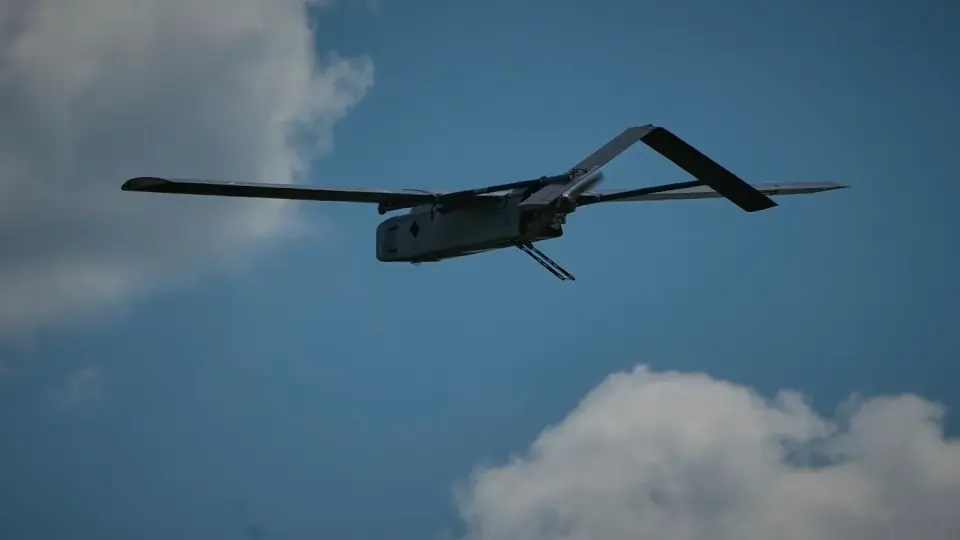
Diplomats at the UN Convention on Certain Conventional Weapons in Geneva reached a compromise at 4:30 a.m. on Saturday, agreeing to 'elaborate' on rules for lethal autonomous weapons by 2028. The outcome falls short of the legally binding treaty demanded by the International Committee of the Red Cross and nearly 100 nations. Major military powers, including the US, Russia, and Israel, blocked stricter language, citing the need for nonbinding guidelines. Critics warn that the two-year delay allows AI-driven weapons to proliferate without accountability, especially as conflicts in Ukraine, Sudan, and Gaza demonstrate the dangers of semi-autonomous drones.
Key points
- Negotiations concluded with a mandate to 'elaborate' on an instrument by 2028, rather than committing to binding laws within one year.
- Russia obstructed the process by objecting to the agenda and stalling proceedings, while the US proposed a five-year window for optional guidelines.
- The ICRC, UN Secretary-General António Guterres, and Pope Leo XIV urged immediate binding rules, calling the outcome a failure to protect civilians.
- Advocacy groups like Stop Killer Robots and Human Rights Watch labeled the deal a 'nothing burger' and a 'watered-down mandate.'
- The Convention on Certain Conventional Weapons requires consensus among 128 parties, allowing any single nation to block agreements.
Background
This follows 13 years of prior discussions on autonomous weapons, with no new laws passed under the CCW in 30 years. Recent conflicts in Ukraine, Sudan, and Gaza have highlighted the use of AI-assisted drones, with 80% of civilian deaths in Sudan attributed to drones this year. The US and Israel have deployed AI targeting systems in Gaza and Iran, raising concerns about mass casualties and the erosion of humanitarian law.
How outlets are covering it
NPR and Al Jazeera emphasize the compromise as a minimal step, noting that negotiators emerged exhausted but the deal lacks binding force. AP News highlights the obstruction by Russia and the US, with activists accusing them of blocking stronger language. The Guardian focuses on the consensus requirement of the CCW, noting that 128 parties must agree, and details the stalling tactics by Russia. All sources agree that the outcome disappoints humanitarian organizations, but differ on the degree of blame: AP and The Guardian point to US and Russian resistance, while NPR notes the broader reluctance of powerful nations. The ICRC and advocacy groups uniformly criticize the delay, warning that technology is outpacing diplomacy.
Why it matters
The failure to establish binding rules for lethal autonomous weapons risks accelerating the proliferation of AI-driven arms without accountability. As conflicts in Sudan, Ukraine, and Gaza show, semi-autonomous drones are already causing mass civilian casualties. Without legal frameworks, the Geneva Conventions may be undermined, as machines cannot be held accountable for violations of humanitarian law. The two-year delay allows technology to advance unchecked, potentially leading to fully autonomous weapons that make life-and-death decisions without human oversight.
What to watch
Countries will have until 2028 to 'elaborate' on a possible accord, which may or may not be legally binding. Advocacy groups will continue to push for a binding treaty, while military powers may accelerate development of AI weapons. The UN disarmament process will face further scrutiny as it struggles to keep pace with technological advancements. Future negotiations may focus on specific weapon types or regional agreements, given the deadlock at the CCW.
- Killer robots: U.N. talks fall short of hopes for legally binding rules NPR
- Nations at UN talks on AI killer robots agree to more talks but no firm commitment to rein them in AP News
- International UN talks on controlling use of autonomous weapons collapse The Guardian
- States agree to UN talks aiming to regulate 'killer robots' by 2028 Reuters
- Nations agree to ‘elaborate’ on rules for AI-run ‘killer robots’ by 2028 Al Jazeera
Want the full story? Read the original reporting
Read on NPR