
US Withdraws All B-1 Bombers from RAF Fairford Amid Iran Threats
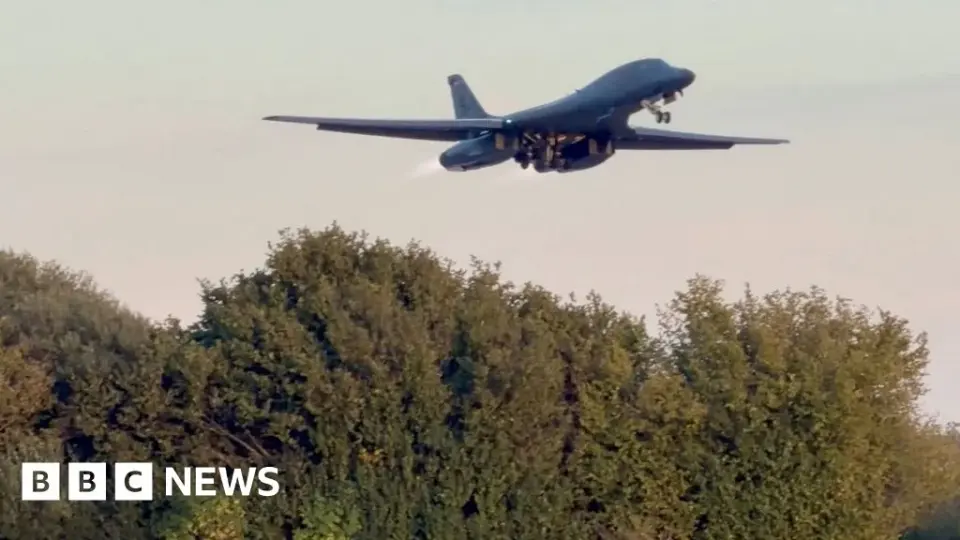
The United States abruptly withdrew all 12 B-1 Lancer bombers from RAF Fairford in the UK over the weekend, citing urgent security threats. The rapid evacuation, which occurred before refueling aircraft were fully prepared, follows a series of counterterrorism arrests near the base. While US officials frame the move as a precaution against Iranian aggression, critics and some analysts view it as a sign of panic and a potential embarrassment for UK security services.
Key points
- All 12 B-1 Lancer bombers were removed from RAF Fairford in a rushed operation, with some aircraft departing before aerial refueling support was fully ready.
- US Vice President JD Vance described the move as an 'abundance of caution' in response to Iranian terrorism, while President Trump cited specific 'threats' to the base.
- The withdrawal follows a September incident where five British men were arrested and later bailed after suspicious activity near the base, and a subsequent arrest of a UK-Iranian dual national.
- Each B-1 Lancer costs approximately $330 million, and their removal highlights concerns about the vulnerability of high-value assets to low-cost drone attacks.
- Iran denies any connection to the events at RAF Fairford, while US Secretary of State Marco Rubio downplayed links between the withdrawal and the September arrests.
Background
The B-1 bombers had been operating from RAF Fairford for seven months to support US strikes against Iranian missile launch sites. In July, Iran threatened any country hosting US facilities with retaliation. On September 27, a major incident was declared after five men were arrested near the base, leading to US criticism of the UK's counterterrorism response. The current withdrawal is the latest escalation in tensions between the US and Iran, with the Islamic Revolutionary Guards Corps viewing the UK as a participant in the US-Iran conflict despite the UK not being formally at war.
How outlets are covering it
BBC security correspondent Frank Gardner suggests the withdrawal was driven by 'abundance of panic' rather than just caution, noting the urgency of the departure. The New York Times emphasizes the unusual speed of the evacuation, highlighting that it was rare for such a rapid withdrawal from an allied base in peacetime. US officials, including Vance and Trump, frame the move as a prudent security measure against Iranian threats, while UK officials maintain confidence in the base's security but acknowledge an 'ongoing high tempo of threat' from Iran. General Sir Richard Barrons notes the cost-effectiveness of removing the bombers given the risk of cheap drone attacks.
Why it matters
The withdrawal of the B-1 bombers from RAF Fairford signals a significant shift in US military posture in Europe and raises questions about the security of US assets in allied nations. It highlights the escalating tensions between the US and Iran and the potential vulnerability of high-value military assets to asymmetric threats. The incident also tests the UK-US alliance, as it may be perceived as a lack of confidence in UK counterterrorism capabilities, potentially affecting future military cooperation and strategic planning.
What to watch
UK counter-terrorism police are continuing their investigation into the events at RAF Fairford, reviewing CCTV and data from the arrests. The US and UK are likely to conduct a joint review of security protocols at the base. The US has stated it can still deploy bombers from domestic bases, but the withdrawal may influence future decisions on the location of high-value assets in Europe. Iran may respond to the perceived threat, potentially escalating tensions in the region.
- What prompted the US bombers to leave RAF Fairford? BBC
- U.S. Rushes to Withdraw Bombers From U.K. Air Base After New Threats The New York Times
- Trump says 'threat' led US to pull bombers from RAF Fairford BBC
- Secretary of State Marco Rubio Remarks to the Press U.S. Department of State (.gov)
- All B-1 Bombers Returning to U.S. From U.K. Base WSJ
Want the full story? Read the original reporting
Read on BBC