
Haiti Signs Prison Deal with El Salvador as Salvadoran Troops Suffer Casualties
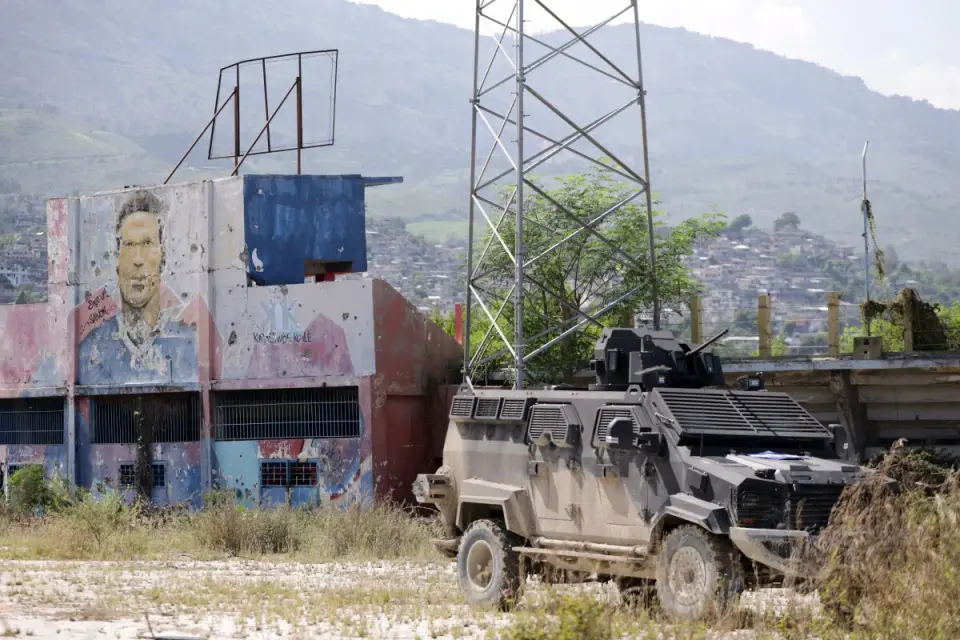
Haiti and El Salvador signed a deal to build three new prisons, with the first to be launched soon. This follows El Salvador's deployment of 2,500 troops to Haiti to fight gangs, a mission that expanded from a rescue operation after two Salvadoran soldiers were killed in a blast.
Key points
- Haiti's Justice Minister Patrick Pélissier announced an agreement with El Salvador to construct three prisons, with the first to be built by a Salvadoran company in collaboration with a Haitian firm.
- El Salvador's armed forces reported that two soldiers were killed and two injured in a detonation while handling explosives at a camp in Haiti.
- The Salvadoran deployment of 2,500 troops began as a rescue mission for four missing technicians but has expanded into a broader military offensive against gangs.
- Haiti has not had an elected government since 2021, and elections are scheduled for next year.
- Gangs control an estimated 70% of Haiti's capital, and the country has struggled with severe prison overcrowding and infrastructure failures.
Background
Haiti has faced a severe security crisis since the 2021 assassination of President Jovenel Moïse, with gangs controlling large parts of the capital. In 2024, gangs raided two major prisons, releasing thousands of inmates. The UN-backed Gang Suppression Force (GSF) was authorized in 2025 to address the crisis, but El Salvador's deployment of 2,500 troops in October 2026 has outpaced the GSF's presence. Previous strikes on gang leaders' homes, including Wilson Joseph's in November 2026, have raised concerns about civilian casualties and long-term control.
How outlets are covering it
AP News emphasizes the new prison deal and the casualties among Salvadoran troops, highlighting Haiti's prison infrastructure challenges. Al Jazeera focuses on the broader military operation, noting that Salvadoran troops operate outside UN monitoring and that civilian casualties have increased. The Haitian Times and NBC News highlight the public support for Bukele's operations, including rallies in Port-au-Prince, and the strikes on gang leaders' homes, such as Jeff Larose's. Experts like Diego Da Rin and Sandra Pellegrini warn about the lack of long-term strategy and the risk to civilians, while Amnesty International calls for transparency in the deployment's rules of engagement.
Why it matters
The prison deal and military cooperation between Haiti and El Salvador reflect a shift in Haiti's approach to gang violence, moving from UN-backed missions to bilateral military partnerships. The casualties among Salvadoran troops and the expansion of the mission highlight the risks and complexities of foreign intervention in Haiti's security crisis. The deal also raises questions about the long-term impact on Haiti's governance and human rights, especially given El Salvador's controversial state of exception and prison system.
What to watch
The first prison is expected to be launched soon, with the prime minister ordering its construction to be expedited. El Salvador's troops plan to leave once the four missing technicians are found, but their fate remains unknown. The broader military operation and prison construction will likely continue, with ongoing debates about civilian casualties, long-term control, and the role of foreign forces in Haiti's security.
- Haiti strikes deal with El Salvador to build new prisons after minister visit AP News
- Why are Bukele’s Salvadoran troops in Haiti and what have they achieved? Al Jazeera
- Salvadorans strike another Haitian gang leader’s home, Bukele says The Haitian Times
- El Salvador’s president confirms and celebrates attack on home of key Haitian gang leader NBC News
- Bukele’s Troops in Haiti: The Frontlines of an Eroding Rules-Based Global Order? Just Security
Want the full story? Read the original reporting
Read on AP News