Haiti's Gran Grif gang blamed for deadly attack, activists say 30 dead
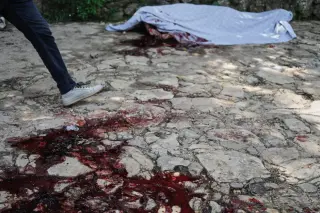
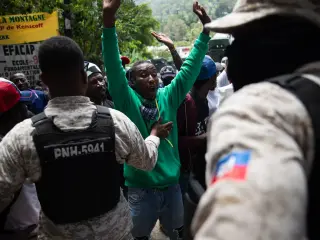
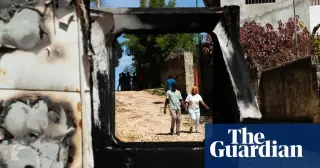
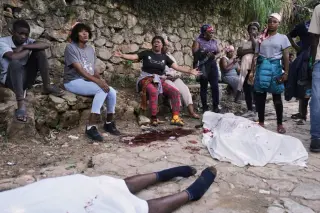
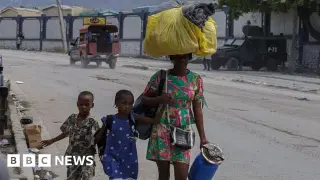
Haiti’s Gran Grif gang is blamed for a fresh attack that activists say killed about 30 people, underscoring ongoing violence linked to gangs in the country.
All articles tagged with #gangs

Haiti’s Gran Grif gang is blamed for a fresh attack that activists say killed about 30 people, underscoring ongoing violence linked to gangs in the country.

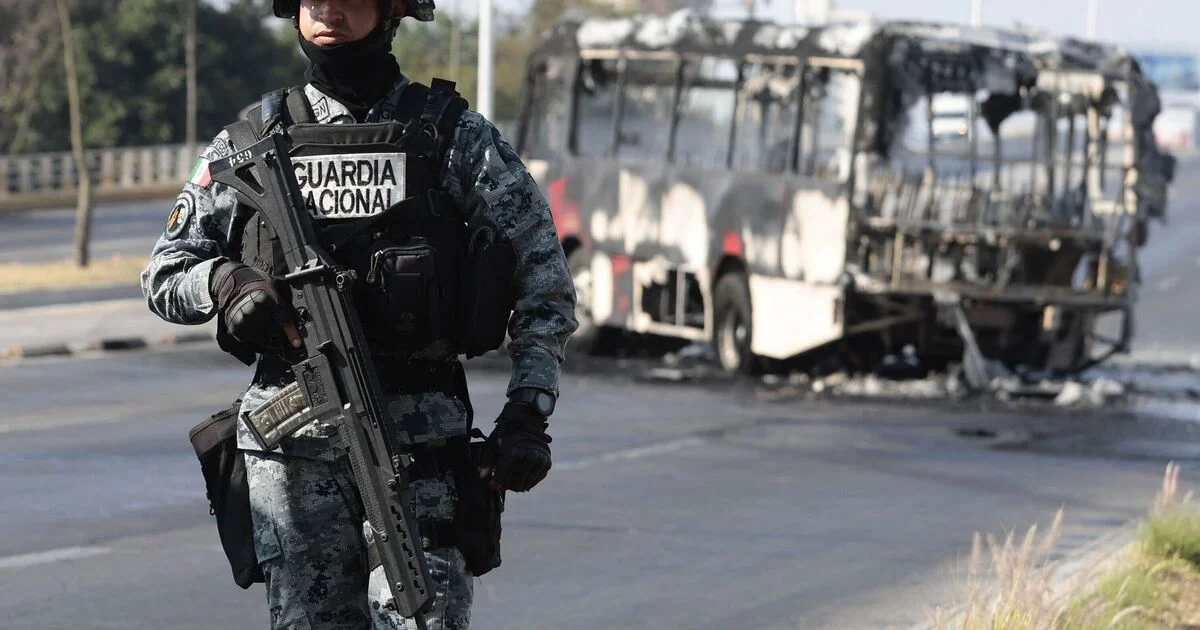
Gangs attacked a regional prison in Puerto Vallarta, firing on guards and ramming the gates, allowing at least 23 inmates to escape as authorities deploy troops in a crackdown following the death of cartel leader El Mencho; police warn more criminals could be on the loose.

BBC findings show vulnerable London girls as young as 13–15 being groomed by gangs for forced sex and broader exploitation, including drug dealing; survivors describe coercion and exploitation, with police saying victims are the lowest rung in gangs. The cases involve gangs from diverse backgrounds, not a single ethnicity, and authorities are re-examining thousands of cases and preparing an independent inquiry into grooming gangs; official figures note around 2,000 child exploitation cases a year in the Met area.

Haiti's nine-member presidential council, in power for nearly two years, steps down as PM Alix Didier Fils-Aimé remains in place ahead of expected general elections that are unlikely to be held this year due to rampant gang violence. The U.S. has imposed visa bans on several council members and a cabinet minister, and a naval presence near Port-au-Prince signals international pressure while talks continue on the future governance and a multinational security mission.

Sweden plans to lower the age of criminal responsibility from 15 to 13 for the most serious offenses to curb the recruitment of children by violent gangs; the proposal, backed by the government as urgent but opposed by police and prosecutors, could take effect as early as this summer and will be reviewed by the Council on Legislation before Parliament votes.

President Trump used unverified and selective facts about gangs in Colorado to justify U.S. invasion of Venezuela, despite evidence that contradicts his claims and the lack of legal grounds for such military action, drawing criticism from both Democrats and Republicans.

The ban on gang patches in New Zealand has largely been symbolic, with gangs continuing their activities and recruiting despite the law. Police have seized patches and made arrests, but gang membership and criminal activities persist, suggesting the law's limited impact on gang influence or violence.

Criminal organizations in Mexico, in coordination with domestic extremist groups, are offering bounties and providing logistical support to target and attack U.S. ICE and CBP officers, especially in Chicago, with efforts including surveillance, harassment, and assassination attempts, prompting increased security measures and public alerts.

The U.S. State Department has designated the gang Barrio 18 as a foreign terrorist organization, citing its attacks in Central America and aligning it with other notorious groups like MS-13, as part of efforts to dismantle criminal networks and combat drug trafficking.

The U.S. is designating Ecuador's largest gangs, Los Lobos and Los Choneros, as terrorist organizations, enabling asset freezes and intelligence sharing, as part of a broader effort to combat organized crime and drug trafficking in the region, with additional security aid pledged to Ecuador.

A shooting occurred near Bryan Federal Prison Camp involving rival gangs, prompting a law enforcement response; no injuries to staff or inmates were reported, and investigations are ongoing.

In Haiti, vigilante groups have emerged to combat gangs but are increasingly involved in human rights abuses, blurring the line between defenders and perpetrators amid a collapsing government and lawlessness, with some groups colluding with gangs and committing atrocities.

The article reveals that Israel has been arming and protecting criminal gangs in Gaza, including ISIS-linked groups, to serve its strategic interests against Hamas. These gangs are involved in looting aid, attacking humanitarian workers, and establishing military compounds, with some operating under Israeli protection, raising concerns about their role in Israel's broader policies in Gaza.
El Salvador's President Bukele, known for his tough stance on gangs and popularity, openly embraces the label of 'dictator' amid concerns over human rights abuses, suppression of dissent, and erosion of civil liberties, despite claiming significant achievements in reducing violence.

In Gaza, the situation is worsening as organized gangs loot much of the limited aid entering the region, exacerbating the food scarcity crisis. Israel faces accusations of using starvation as a weapon of war, a claim it denies, while aid groups criticize the insufficient food supply allowed into Gaza. The ongoing conflict and humanitarian challenges are further detailed on NPR's website.