
IAEA Chief Reports No Iranian Repairs to Struck Nuclear Sites Amid UN Security Council Standoff
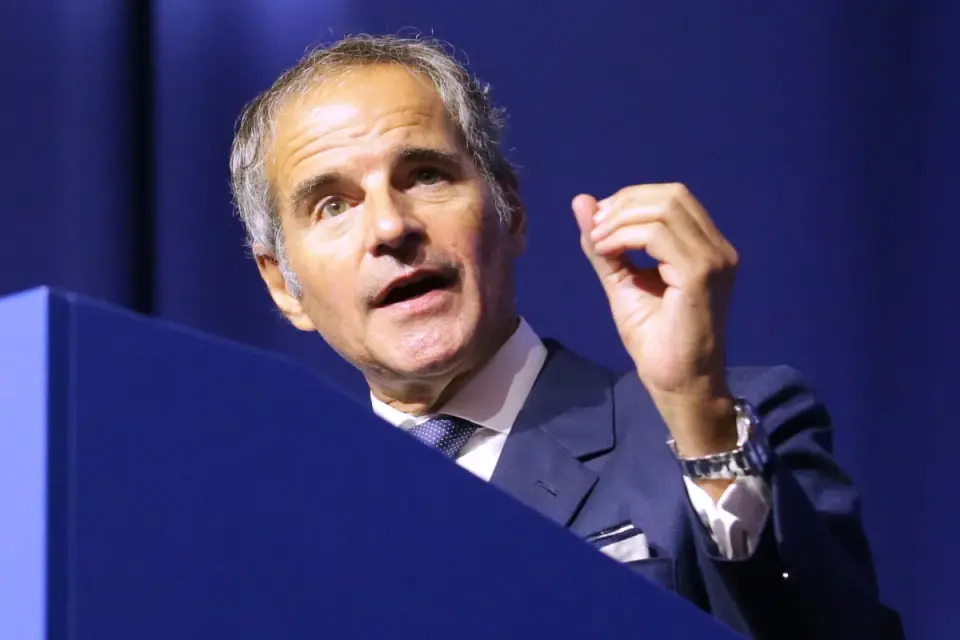
IAEA chief Rafael Grossi told the UN Security Council that Iran has not attempted to repair or reconstruct nuclear facilities damaged by US and Israeli strikes in 2025 and 2026. While inspectors have been barred from key sites since June 2025, Grossi confirmed no reconstruction activity has been detected. However, the agency cannot verify the status of Iran’s 440.9 kg stockpile of 60% enriched uranium without access. The meeting, referred by the IAEA Board of Governors, highlights a diplomatic deadlock, with Iran accusing the council of double standards and the US demanding compliance with non-proliferation treaties.
Key points
- IAEA Director General Rafael Grossi stated that no activity to repair or reconstruct damaged nuclear facilities has been identified since June 2025.
- The IAEA has been unable to verify the status of Iran’s 440.9 kg stockpile of uranium enriched to 60% purity since inspectors were withdrawn for safety reasons.
- The UN Security Council meeting was convened after the IAEA Board referred Iran for non-compliance, a move opposed by Russia and China.
- Iran’s deputy ambassador Gholamhossein Darzi criticized the council for ignoring US-Israeli attacks while focusing on inspection access, calling the strikes 'wars of aggression.'
- US Ambassador Mike Waltz accused Iran of failing to satisfy safeguard obligations and demanded answers regarding its nuclear material.
Background
This development follows a period of heightened regional tension, including Iran’s recent threats to strike civilian infrastructure and energy pipelines if the US launches new military campaigns. Previous coverage noted that Iran has been fortifying nuclear sites and warning of potential ground incursions into neighboring countries ahead of the US midterm elections. The current standoff occurs against a backdrop of stalled diplomatic efforts and rising oil prices, with US officials indicating the conflict could persist for another year.
How outlets are covering it
AP News and the IAEA statement align on the technical finding that no repair activity has been observed, though the IAEA emphasizes that this does not replace the need for physical verification. NDTV highlights the political dimension, noting that the Security Council referral is largely symbolic due to likely vetoes by Russia and China. While AP and the IAEA focus on the lack of reconstruction, NDTV and the IAEA statement stress the unresolved status of the 60% enriched uranium stockpile. Iran’s perspective, represented by its UN representatives, frames the issue as a double standard where aggressors are shielded while victims are criticized, contrasting with the US and Western allies who view the situation as a failure of non-proliferation compliance.
Why it matters
The inability to verify Iran’s nuclear stockpile creates significant uncertainty regarding the country’s potential to develop nuclear weapons, a key concern for US policymakers. The diplomatic deadlock at the UN Security Council, exacerbated by vetoes from Russia and China, limits international leverage to enforce compliance. As the US approaches midterm elections, the unresolved status of Iran’s nuclear program and the threat of renewed strikes could impact domestic political calculations and regional stability in the Middle East.
What to watch
The IAEA has invited Iran to engage in gradual, technical steps to allow inspectors to return, potentially paving the way for a wider agreement. The US has indicated that it may renew strikes after the midterm elections, with President Trump framing the choice as either a deal or further military action. Diplomatic efforts involving mediators like Oman, Pakistan, Qatar, and Egypt may continue to seek a resolution to the safeguards impasse.
- Iran hasn’t tried to repair nuclear facilities damaged in US strikes, UN nuclear chief says AP News
- Security Council, 10253rd Meeting (AM) Iran/Non-proliferation UN Meetings Coverage and Press Releases
- Nuclear Inspectors See No Evidence Iran Fixed Bombed Sites Bloomberg
- Director General Statement to the United Nations Security Council International Atomic Energy Agency
- UN Nuclear Watchdog Chief Urges Iran To Grant Access NDTV
Want the full story? Read the original reporting
Read on AP News