
Supreme Court to rule on federal officer liability in Watanabe case
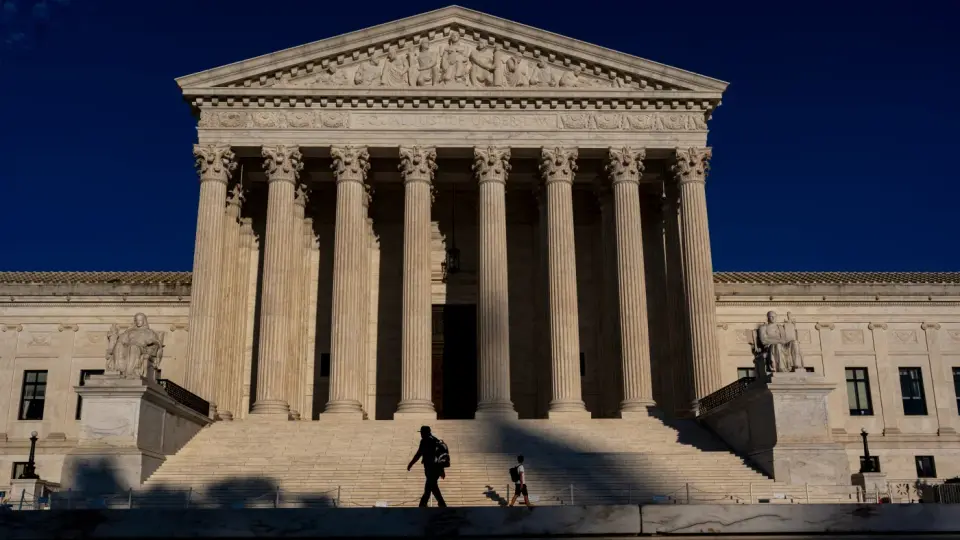
The Supreme Court heard arguments on November 9 regarding whether federal prison inmates can sue officials for constitutional violations. The case, involving a prisoner denied medical care, could eliminate the Bivens doctrine, leaving no civil remedy for victims of federal agent misconduct, including ICE officers.
Key points
- Kekai Watanabe sued a federal nurse for denying treatment after a 2021 prison riot, alleging an Eighth Amendment violation.
- The case tests the scope of Bivens v. Six Unknown Named Agents, a 1971 ruling allowing suits against federal officials.
- Conservative justices suggested the Federal Tort Claims Act provides sufficient remedies, potentially nullifying Bivens.
- The decision could impact accountability for immigration agents accused of violence during the current administration's crackdowns.
- Congress has not passed legislation to create a statutory right to sue federal officers, leaving courts as the primary avenue.
Background
The Supreme Court has previously narrowed Bivens claims, including a 2022 ruling barring suits against Border Patrol agents. This follows a broader trend of limiting federal liability. Recent archive coverage highlights ongoing tensions between federal enforcement and civil rights, such as the Florida judge’s ruling on noncitizen voting laws and the Supreme Court’s climate liability deliberations, indicating a continued focus on the boundaries of federal power and accountability.
How outlets are covering it
NPR and USA Today emphasize the potential elimination of civil remedies for victims of federal agent misconduct, linking the case to ICE violence. NBC News notes the court’s likely inclination to limit Bivens but not overturn it entirely, citing the Federal Tort Claims Act as an alternative. The Presidential Prayer Team offers a neutral prayer for judicial wisdom, avoiding substantive legal analysis. Legal experts like Steve Vladeck argue that eliminating Bivens would grant federal officers absolute immunity, while Justice Department officials view the doctrine as obsolete and inconsistent with modern judicial restraint.
Why it matters
The ruling could define the extent of federal officer accountability. If Bivens is limited or overturned, victims of constitutional violations by federal agents may lack a direct path to seek damages, potentially impacting public trust in law enforcement and civil rights protections.
What to watch
The Supreme Court is expected to issue a ruling in the coming months. Congress may consider legislation to address federal officer liability if the court narrows Bivens, though no such bills have gained momentum. The outcome will influence future cases involving federal agents, including those related to immigration enforcement.
- Supreme Court weighs effort to shield federal law enforcement as ICE complaints rise NPR
- Supreme Court set to pare back federal inmates’s ability to sue officials NBC News
- Supreme Court case could end lawsuits against federal agents like ICE USA Today
- Monday, November 9 The Presidential Prayer Team
- Court to hear argument on whether and when federal officials can be held liable for violations of the Constitution SCOTUSblog
Want the full story? Read the original reporting
Read on NPR