
FDA Mandates Vision Loss Warnings for GLP-1 Weight-Loss Drugs
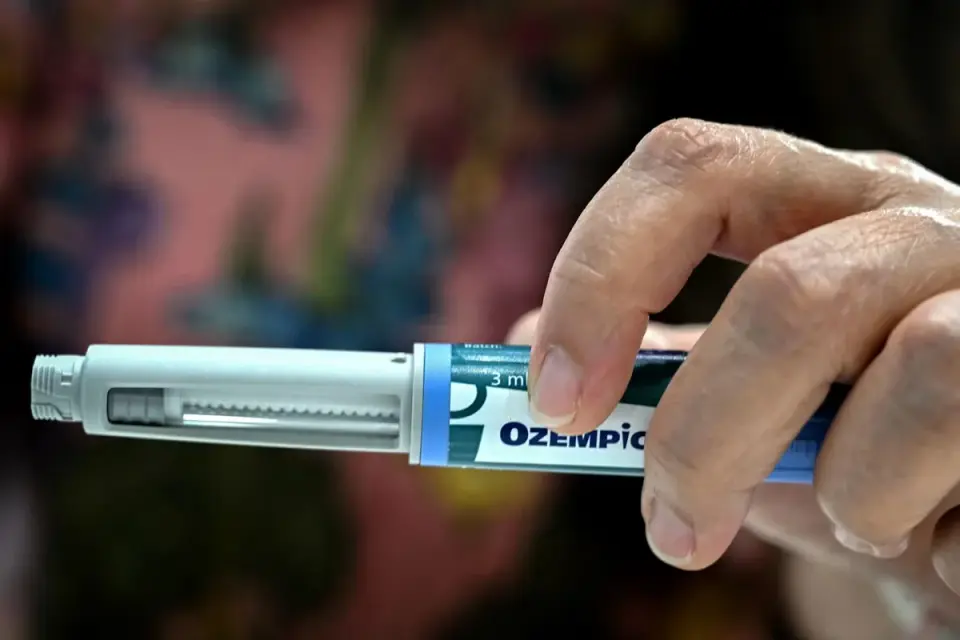
The U.S. Food and Drug Administration (FDA) has required manufacturers of GLP-1 weight-loss medications, including Ozempic and Zepbound, to add warnings about a rare eye condition that can cause permanent vision loss. This decision follows a comprehensive review involving over 134,000 patients, which found a slightly higher incidence of non-arteritic anterior ischemic optic neuropathy (NAION) among drug users compared to placebo groups. While the condition is rare and has no cure, the FDA emphasizes that patients should monitor for symptoms like blurred vision or color distortion. Major manufacturers, including Novo Nordisk and Eli Lilly, have acknowledged the update, with Novo Nordisk maintaining that the data does not prove a direct causal link but affirming their commitment to patient safety.
Key points
- The FDA requires all GLP-1 drugmakers to include warnings about NAION, a rare condition causing painless vision loss in one eye due to reduced blood flow to the optic nerve.
- Analysis of over 134,000 patients found approximately six cases of NAION per 100,000 GLP-1 users annually, compared to four cases in placebo or other diabetes medication groups.
- NAION is sometimes referred to as an 'eye stroke' and has no known treatment; the FDA notes that patients with a history of the condition are at increased risk for recurrence.
- Novo Nordisk, maker of Ozempic and Wegovy, stated that while they recognize the impact of NAION, they believe current data does not establish a cause-and-effect relationship and remain confident in the benefit-risk profile of their drugs.
- Eli Lilly, maker of Zepbound, stated it is evaluating the FDA’s update and remains in close contact with the agency, advising patients to consult healthcare professionals regarding side effects.
- Roughly 28 million Americans are currently taking GLP-1 drugs, which have gained popularity since semaglutide’s approval in 2017, though about half of patients discontinue use within the first year due to gastrointestinal side effects.
Background
This regulatory action occurs amid growing scrutiny of GLP-1 medications' side effects. Recent archival coverage highlighted warnings from neuroscientists that rapid weight loss from these drugs could deprive the brain of essential nutrients, potentially leading to cognitive impairment. Additionally, the market for these drugs is expanding rapidly, with Eli Lilly raising its 2026 revenue outlook to $92 billion due to high demand for Mounjaro and Zepbound. Concurrently, Hims & Hers has integrated Eli Lilly’s Zepbound and Foundayo into its digital platform, signaling a shift toward branded, FDA-approved medications over compounded alternatives. The FDA’s new labeling requirement adds another layer of safety consideration for the millions of Americans using these drugs for weight management and diabetes treatment.
Why it matters
The FDA’s decision to mandate warnings about NAION highlights the ongoing balance between the significant benefits of GLP-1 drugs for weight loss and diabetes management and their potential rare but severe side effects. As these medications become more widely prescribed, with 28 million Americans currently using them, ensuring patients are informed about all possible risks is crucial for informed consent and patient safety. The lack of a cure for NAION makes early detection and awareness of symptoms, such as blurred vision or color distortion, vital for minimizing long-term impact. This regulatory step may influence patient decisions and healthcare provider practices, emphasizing the need for comprehensive monitoring and communication regarding side effects.
What to watch
Drugmakers, including Novo Nordisk and Eli Lilly, will continue to monitor data and engage with the FDA regarding the new labeling requirements. While Novo Nordisk has expressed confidence in the benefit-risk profile of its drugs, the FDA’s determination of required labels may lead to further discussions or challenges from manufacturers. Patients are advised to be vigilant for symptoms of NAION and to consult healthcare professionals promptly if they experience vision changes. The FDA may continue to review additional data and studies to refine its understanding of the relationship between GLP-1 drugs and NAION, potentially leading to further updates in safety labeling or recommendations.
Want the full story? Read the original reporting
Read on The Independent