
Psychiatrist Admits to Treating Lindsay Clancy Solely via Telehealth Amidst Murder Trial
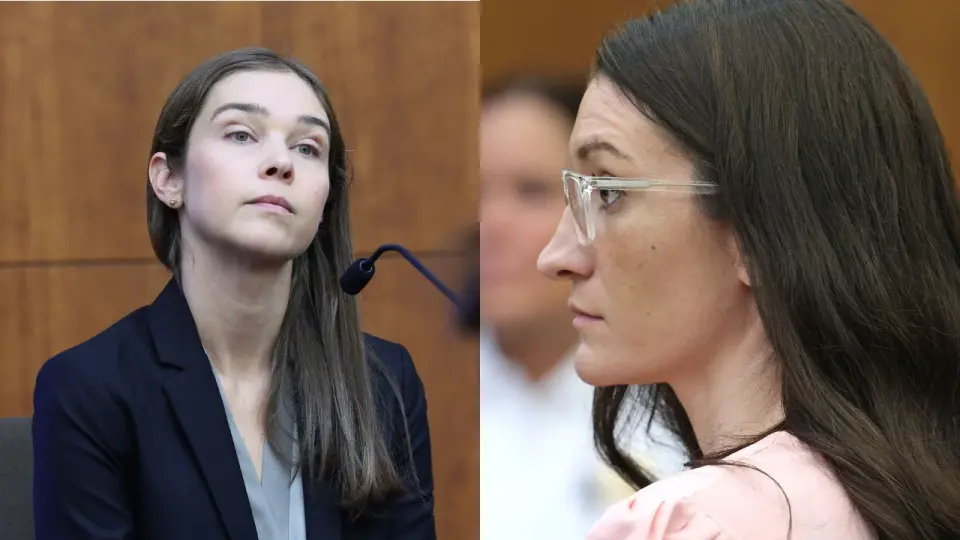
During the third week of Lindsay Clancy's murder trial, defense attorney Kevin Reddington cross-examined Dr. Jennifer Tufts, the psychiatrist who treated Clancy from September 2022 to January 2023. Tufts admitted that all her appointments with Clancy were conducted via telehealth, meaning she never examined the patient in person and could not see her hands or legs. Reddington highlighted that Tufts received her board certification on the same day Clancy began treatment and that her website described her as a postpartum specialist, potentially misleading the patient. Tufts denied negligence, stating she provided support and listened to Clancy's concerns. The defense argued that Tufts failed to review hospital records from Clancy's recent inpatient stays and did not adequately assess her deteriorating mental state, despite Clancy reporting severe depression and suicidal ideation. Clancy is charged with murdering her three children in January 2023, claiming she suffered from postpartum psychosis. The prosecution maintains she acted rationally, while the defense argues she was not criminally responsible due to severe mental illness and inadequate medical care.
Key points
- Dr. Jennifer Tufts admitted to never meeting Lindsay Clancy in person, conducting all sessions via telehealth.
- Defense attorney Kevin Reddington pointed out that Tufts received her board certification on the same day Clancy began treatment.
- Tufts denied negligence, stating she provided support and listened to Clancy's concerns during 25-30 minute sessions.
- Reddington argued Tufts failed to review hospital records from Clancy's recent inpatient stays and did not adequately assess her deteriorating mental state.
- Clancy is charged with murdering her three children in January 2023, claiming she suffered from postpartum psychosis.
- The prosecution maintains Clancy acted rationally, while the defense argues she was not criminally responsible due to severe mental illness and inadequate medical care.
Background
Lindsay Clancy, 35, is on trial for the murder of her three children, Cora (5), Dawson (3), and Callan (8 months), who were strangled in their Duxbury, Massachusetts home on January 24, 2023. Clancy subsequently attempted suicide by cutting her wrists and neck and jumping from a second-story window, resulting in paralysis. She has pleaded not guilty, claiming she was suffering from postpartum psychosis at the time. The trial has featured testimony from multiple medical professionals, including psychiatrists and nurses, regarding Clancy's mental health treatment in the months leading up to the killings. The defense has sought to introduce additional expert witnesses to discuss the quality of psychiatric care Clancy received, while the prosecution argues she acted deliberately and rationally. The case has drawn attention to gaps in postpartum mental health care and the adequacy of telehealth services.
How outlets are covering it
Court TV and The Patriot Ledger emphasized the defense's cross-examination of Dr. Jennifer Tufts, highlighting her admission that all sessions were conducted via telehealth and her lack of in-person assessment. NBC Boston provided a detailed timeline of Tufts' testimony, including her discussions of Clancy's medication adjustments and her denial of observing signs of psychosis. CNN offered a broader overview of the trial's second week, including Clancy's emotional responses and diary entries, while also covering Tufts' testimony. All sources agreed that Tufts denied negligence and maintained that Clancy did not show signs of psychosis or homicidal intent during their sessions. The defense, however, argued that Tufts' reliance on telehealth and failure to review hospital records constituted inadequate care, potentially contributing to Clancy's deteriorating mental state. The prosecution countered that Clancy acted rationally and intentionally, while the defense maintained she was not criminally responsible due to postpartum psychosis and inadequate medical treatment.
Why it matters
The trial highlights the adequacy of telehealth services in mental health care and the potential consequences of inadequate psychiatric treatment for postpartum mothers. The case has drawn attention to gaps in postpartum mental health care and the need for more comprehensive and accessible mental health services. The outcome of the trial could have significant implications for the legal standards of care in psychiatric treatment and the use of telehealth in mental health services. It also raises questions about the responsibility of medical professionals in identifying and addressing severe mental health issues, particularly in vulnerable populations such as postpartum mothers.
What to watch
The trial is expected to continue with further testimony from medical professionals and other witnesses. The defense has sought to introduce additional expert witnesses to discuss the quality of psychiatric care Clancy received, while the prosecution has objected to the late disclosure of these witnesses. The jury will continue to deliberate on the evidence presented, including the adequacy of Clancy's mental health treatment and her state of mind at the time of the killings. The outcome of the trial will have significant implications for the legal standards of care in psychiatric treatment and the use of telehealth in mental health services.
- Lindsay Clancy’s psychiatrist admits never meeting her in person Court TV
- Lindsay Clancy trial live updates: Julie Paul testifies The Boston Globe
- Livestream, live updates: Lindsay Clancy's psychiatrist testifies for hours NBC Boston
- Lindsay Clancy trial Day 10: Dr. Jennifer Tufts answers more questions The Patriot Ledger
- What we learned this week at Lindsay Clancy’s trial CNN
Want the full story? Read the original reporting
Read on Court TV