
Houthi missile intercepts cause shrapnel damage to Aramco tower in Riyadh
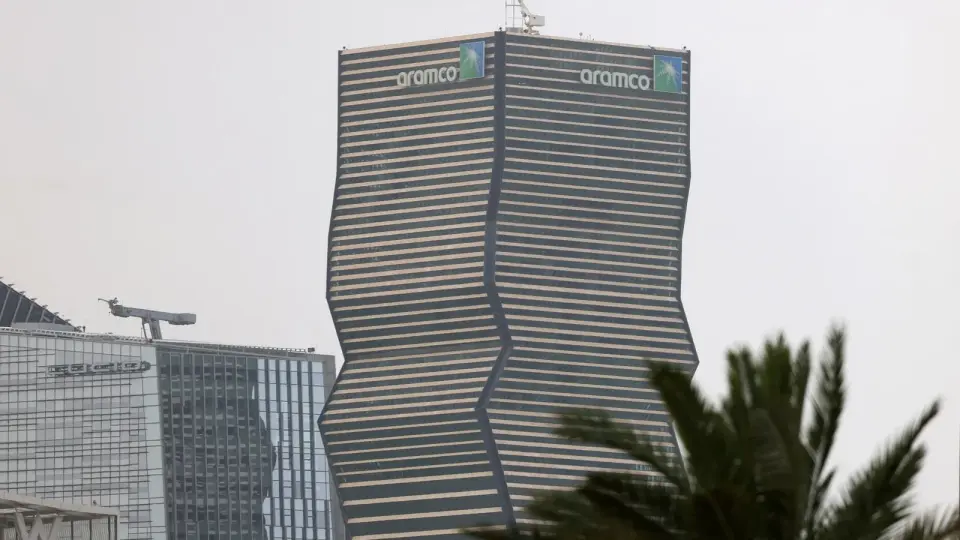
Saudi air defenses intercepted multiple missiles targeting Riyadh on Sunday, resulting in shrapnel damage to a Saudi Aramco administrative building in the King Abdullah Financial District. No casualties were reported, though the incident marks a significant escalation in Houthi attacks on Saudi infrastructure following recent airstrikes in Yemen.
Key points
- Saudi Arabia’s Energy Ministry confirmed that falling shrapnel from intercepted missiles caused minor damage to an Aramco building in Riyadh, with no injuries or fatalities.
- The Saudi-led coalition stated it intercepted two cruise missiles and two ballistic missiles aimed at Riyadh and the southern region, attributing the attacks to Yemen’s Houthis.
- Witnesses reported loud explosions and observed blown-out windows across several floors of the Aramco Tower, while Saudi Civil Defense issued and later lifted threat alerts in the capital and the Eastern Province.
- The strikes occurred one day after Saudi airstrikes near Sanaa, which Houthi-run health officials said killed at least 33 people, including women and children.
- Regional allies, including Bahrain, Egypt, and Kuwait, condemned the Houthi attacks as violations of sovereignty and international law, while the Houthis have not claimed responsibility for the Riyadh strike.
Background
This incident follows a series of escalations since the collapse of the 2022 UN-brokered truce. In October, a Houthi attack on King Khalid International Airport killed 13 people, prompting Saudi airstrikes on Houthi-held oil infrastructure. The current conflict is part of a broader regional war reignited by US and Israeli strikes on Iran in February, with the Houthis stepping up attacks on Saudi oil facilities and airports since July.
How outlets are covering it
While all sources agree on the damage to the Aramco building and the interception of missiles, they differ on the scale of the threat. The Saudi Energy Ministry described the damage as 'limited' and 'minor,' whereas CNN and Al Jazeera highlighted geolocated video showing significant damage to upper floors and noted that some witnesses saw ambulances arriving, suggesting potential injuries despite official reports of none. Al Jazeera also emphasized the broader context of the Iran-US conflict, noting that the Houthi attacks are part of a wider regional war, while the Sun Sentinel focused on the humanitarian impact in Yemen, citing Houthi claims of 27 to 33 deaths from recent Saudi airstrikes. The Houthis have not claimed responsibility for the Riyadh strike, but have stated they will continue attacks as long as Saudi airstrikes and blockades continue.
Why it matters
The attack on a major Saudi oil company’s headquarters in the capital signals a shift in Houthi strategy toward high-value urban targets, potentially escalating the conflict and impacting global energy markets. It also highlights the vulnerability of Saudi infrastructure despite advanced air defense systems, as noted by analysts who pointed out the vast size of the kingdom makes complete protection difficult. The incident may further strain regional relations and complicate diplomatic efforts to de-escalate the broader Middle East conflict.
What to watch
Saudi Arabia is expected to continue airstrikes against Houthi targets in Yemen in retaliation, while the Houthis have vowed to continue missile and drone attacks. The Saudi-led coalition has stated it has degraded Houthi launchers, leading to a 'decreased tempo' of attacks, but the threat remains. International reactions, including condemnations from Gulf states, may influence diplomatic efforts to halt the escalation. The situation in the Strait of Hormuz, where Iran’s Revolutionary Guard reported three tankers on fire, adds to the risk of broader regional instability.
- Saudi Aramco building in Riyadh damaged after attempted attack CNBC
- Iran war live: 3 tankers on fire in Hormuz Strait as attacks intensify Al Jazeera
- Saudi Arabia intercepts missiles as Aramco building in Riyadh is damaged, and other Mideast news Sun Sentinel
- Aramco: Building owned by Saudi oil giant damaged in missile attack on Riyadh’s financial district CNN
- Live - Aramco tower damaged in Riyadh; Iran-backed Houthi missiles intercepted Iran International
Want the full story? Read the original reporting
Read on CNBC