
Pixel 11 Tensor G6 Stays at 3nm, Defying 2nm Expectations
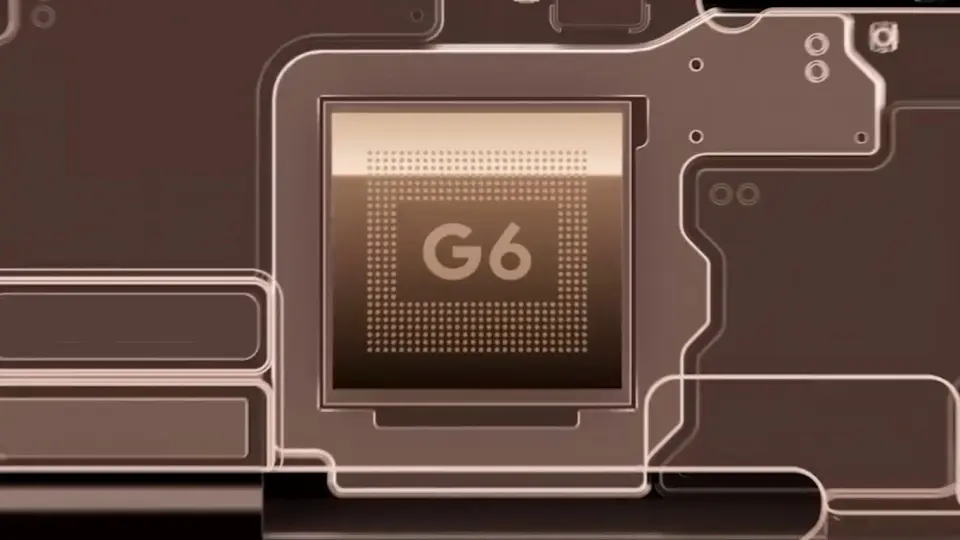
Google's new Pixel 11 series launched with the Tensor G6 chip, which is built on a 3nm process rather than the anticipated 2nm node. While the chip offers significant AI and camera improvements, the lineup faced higher prices due to a global RAM shortage, with the base model starting at $899.
Key points
- The Tensor G6 chip in the Pixel 11 series is confirmed to use a 3nm fabrication process, not the 2nm node rumored since last fall.
- Google VP Peng Yu-chun stated in an interview with the Central News Agency that the chip uses an upgraded 3nm process, contradicting earlier expectations of a 2nm debut.
- The Pixel 11 lineup includes the base model, Pro, Pro XL, and Pro Fold, all featuring the Tensor G6, which offers 25% faster web browsing and 3.5x faster on-device AI processing.
- Prices increased across the board due to a RAM shortage; the base Pixel 11 starts at $899, up $100 from the Pixel 10, while the Pro XL and Fold also saw $100 hikes.
- The base Pixel 11 now starts at 256GB of storage, eliminating the 128GB option, and features a 40% thinner camera bar and improved durability.
Background
Prior leaks and rumors from late 2025 suggested the Tensor G6 would be Google's first 2nm chip, following Samsung's Exynos 2600. Earlier archive coverage noted that the Pixel 11 was expected to have modest battery gains and higher prices due to memory costs. The launch event, Made by Google 2026, took place in August 2026, with devices available for pre-order and shipping on August 20.
How outlets are covering it
Android Authority reported that the Tensor G6 is a 3nm chip based on an interview with Google VP Peng Yu-chun, contradicting widespread rumors of a 2nm process. Google's official blog highlighted the Tensor G6's performance gains, including 50% more TPU compute and faster AI processing, without specifying the fabrication node. CNET emphasized that the higher prices were driven by a RAM shortage, noting that the 256GB base models have only 12GB of RAM, down from 16GB in previous Pro models. PCMag covered the broader event, including the Pixel Watch 5 and Pixel Tag, but did not focus on the chip's fabrication node.
Why it matters
The decision to stick with 3nm for the Tensor G6 affects Google's competitive positioning against Apple and Qualcomm, who are also moving toward 2nm chips. The higher prices and reduced RAM in base models may impact consumer perception of value, especially as the RAM shortage continues to affect the industry. The Tensor G6's AI capabilities and camera improvements remain key selling points, but the lack of a 2nm debut may be seen as a missed opportunity for bragging rights.
What to watch
Google has not confirmed the 3nm process directly, and Android Authority has reached out for clarification. The Pixel 11 series is available for pre-order now, with full release on August 20, 2026. Future Tensor chips, such as the Tensor G7, may eventually adopt 2nm technology. Consumers should watch for reviews to assess the real-world performance and battery life of the new lineup.
- Google's new Pixel 11 chip might not be 2nm, after all Android Authority
- The Pixel 11 series: Your most personal Pixel yet blog.google
- Google’s New Pixel 11 Phones Get Higher Starting Prices — Blame the RAM Shortage CNET
- The New Pixels Are Here. Everything We Saw at the Made by Google Event PCMag
- Pixel 11 vs Pixel 10: How Google’s New $899 Flagship Compares With the Old $799 One CNET
Want the full story? Read the original reporting
Read on Android Authority