politics-and-government20.76 min read
Updated CLARITY Act Draft Narrows DeFi Rules Ahead of Senate Vote
1 month ago•Source: Yahoo Finance

The latest politics and government stories, each synthesized from multiple sources with added background and context.
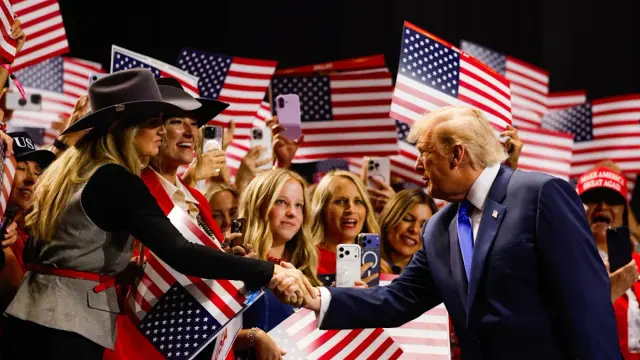
Trump’s proposed $5,000 direct payment remains unclear and require congressional action, while the administration is drafting a rule to expand federal childcare subsidies under the existing Child Care and Development Fund to roughly $9,000 per child for eligible married couples with a stay-at-home parent, potentially taking effect next year if finalized.

Yahoo Finance•1 month ago
Yahoo Finance•1 month ago
President Trump is widening his tariff fight with Canada by invoking Section 338 of the Tariff Act of 1930, a long‑debated, “zombie” authority whose legality is questioned by scholars and who many say was superseded by later statutes. While the new 338 measures could allow bans on certain Canadian goods, experts note they cover only a small share of Canada’s exports to the U.S. and face potential legal challenges, as the broader tariff regime remains driven by other authorities and court rulings.
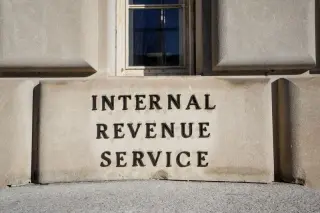
A three-judge panel of the U.S. Court of Appeals for the D.C. Circuit upheld an injunction blocking the Trump-era IRS policy that allowed sharing thousands of taxpayers’ addresses with Immigration and Customs Enforcement, finding the practice violated federal law and lacked safeguards; about 47,000 records were disclosed before the injunction, and privacy groups argued the policy exceeded legal limits on interagency data sharing.

US Energy Secretary Chris Wright said on CNN that US Navy escorts through the Strait of Hormuz are essential to keep crude shipments moving, with transit rates around 9 million barrels per day and overall flows near two‑thirds of pre‑conflict levels thanks to pipelines and alternative routes. He framed the effort as the current “new normal,” noting that other nations may join but that Washington will continue defending the passage until Iran changes its stance, after recent US strikes on Iranian oil carriers in response to attacks on US ships. The remarks come as global energy markets remain sensitive to the Iran conflict amid rising fuel costs.
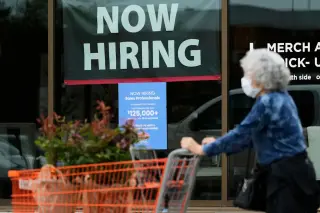
President Trump has spent 20 months promising an economic boom, but August’s stronger-than-expected jobs report has fueled frustration as he vented about inflation and rates from the Oval Office. Economists warn that ongoing growth won’t solve mounting deficits and the national debt, and the episode underscores a credibility gap for Trump on the economy ahead of the election.
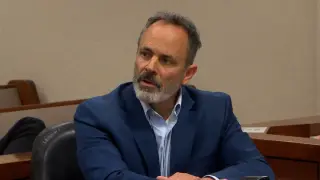
Former Kentucky Gov. Matt Bevin was arrested on contempt of court for repeatedly failing to submit financial records in a divorce and retroactive child-support case involving his adopted son, Jonah Bevin. A warrant was issued after he missed court orders and hearings, and he is being held in Jefferson County jail with potential jail time and fines outlined by the judge.

Data on oil moving through the Strait of Hormuz is divided along political lines: ship trackers say crossings are in the single digits and far below pre-conflict levels, while the White House touts a much larger flow, underscoring a contentious debate over how much oil is getting through as tensions with Iran escalate.
Reuters reports that JBS co-owner Joesley Batista met with President Trump on Aug. 20 to discuss lowering the 26% U.S. beef import tariff to help ease beef prices, a plan the Wall Street Journal says Trump floated the following day as a temporary tariff relief; Reuters could not immediately verify the WSJ account.
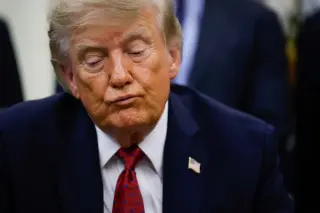
The Yahoo Finance piece reports that Trump’s plan to develop Venezuela’s oil fields hinges on roughly $100 billion in capital to build the infrastructure and ramp production. NABEP is charged with raising the funding in exchange for a 35% US equity stake and the right to buy most of the output, while the US government says it will not invest taxpayer dollars. The central unanswered question is where that funding will come from, given NABEP’s ambitious ramp‑up plans and past scrutiny of its leadership, against the backdrop of Venezuela’s vast but not total oil reserves.
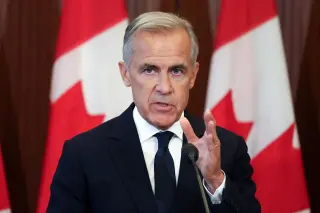
Canadian Prime Minister Mark Carney said there remains a mutually beneficial Canada–U.S. trade deal, but negotiations cannot resume while U.S. officials publicly disparage Canada; he called such rhetoric beneath the office. Talks collapsed after tariff disputes and contentious auto-industry terms, with Canada preparing retaliatory duties. Carney emphasized that the U.S. auto sector benefits from Canada and Mexico and warned that a serious, respectful approach could bring talks back to the table.
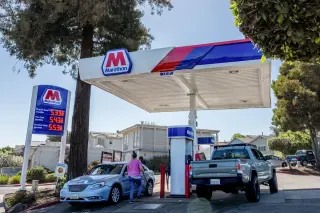
President Trump pressed major and independent refiners at a White House meeting to boost domestic gasoline and diesel output, citing regulatory changes, faster permitting, and more investment to lower pump prices amid ongoing supply disruptions from the Iran conflict. The discussion centered on the Renewable Fuel Standard and biofuel blending quotas, with some refiners arguing the mandates raise costs; aides noted potential tweaks such as waivers for small refiners and ensuring waived volumes get blended elsewhere. Attendees also discussed increasing Venezuelan crude flows and other policy moves, underscoring the political pressure to ease high fuel costs ahead of the midterms.