
Trump Names Hardliner Stephen Miller Chief of Staff, Signaling Confrontation With Democratic Congress
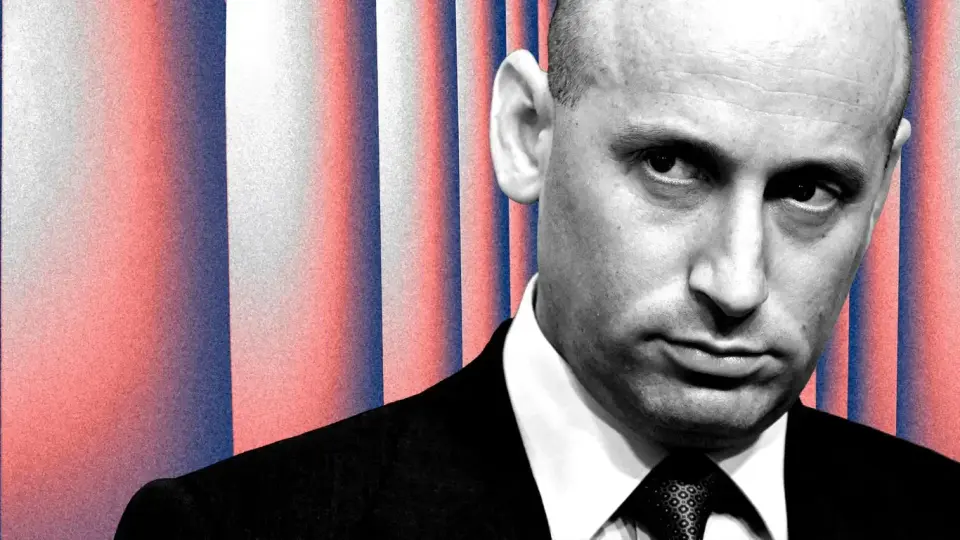
Donald Trump has appointed Stephen Miller as White House chief of staff, replacing Susie Wiles, following a decisive Republican loss in the midterm elections. Miller, a 41-year-old longtime aide and architect of aggressive immigration enforcement, is viewed as a 'wartime consigliere' who prioritizes executive power and confrontational tactics. His appointment signals a shift toward partisan warfare with the new Democratic-led Congress, emphasizing hard-line policies on immigration and foreign adversaries over bipartisan cooperation.
Key points
- Trump replaced Susie Wiles with Stephen Miller as chief of staff on Friday, effective Monday, despite earlier comments suggesting willingness to work with Democrats.
- Miller, 41, served as homeland security adviser and deputy chief of staff, driving policies including a target of 3,000 daily immigration arrests and opposition to birthright citizenship.
- Miller advocates for expansive presidential authority, describing the Democratic Party as a 'domestic extremist organization' and criticizing judicial rulings as the work of 'radical rogue judges.'
- The appointment follows a Republican midterm defeat where Democrats gained control of both chambers of Congress, prompting promises of investigations into the Trump administration.
- Miller has been involved in foreign policy, including military actions in Venezuela and rhetoric regarding the Western Hemisphere, working closely with Secretary of State Marco Rubio.
Background
This appointment follows a historic Republican midterm collapse, where Democrats secured majorities in key states like Texas and South Carolina. Trump had previously deflected blame for the losses onto candidates and the Iran war, while touring White House construction sites. The move replaces Wiles, who managed the 2024 re-election campaign but faced criticism over consulting deals and perceived lack of control over White House chaos. Miller’s rise contrasts with the previous administration’s focus on stability, as he is known for incendiary rhetoric and policy battles, including the dismissal of tens of thousands of civil servants in 2025.
How outlets are covering it
Axios frames Miller’s appointment as a strategic move to reenergize the populist base and prepare for 'wartime' governance, citing Roger Stone’s description of Miller as a 'brass-knuckle general.' The outlet emphasizes Miller’s belief in limitless presidential power and his role in hardening foreign policy, particularly regarding Venezuela and Cuba. BBC highlights the confrontational nature of the choice, noting Miller’s history of labeling critics as 'domestic terrorists' and the intense opposition from Democrats, including House leader Hakeem Jeffries. The Independent focuses on the policy implications, noting Miller’s role in the immigration crackdown and his stance against birthright citizenship, while acknowledging that 54% of Americans disapprove of the enforcement actions he championed. While all sources agree on the shift toward confrontation, Axios emphasizes the ideological 'Miller Doctrine,' BBC stresses the political fallout and bipartisan disdain, and The Independent highlights the specific policy agendas Miller will prioritize, such as executive orders and legal battles.
Why it matters
Miller’s elevation signals that the Trump administration will rely on executive orders and legal challenges rather than legislative cooperation, given the Democratic control of Congress. This could lead to intensified partisan warfare, with the White House preparing for congressional investigations and potential clashes over immigration enforcement and foreign policy. The move may further alienate moderate and independent voters, who were pivotal in the midterm losses, while reinforcing support among the party’s base. It also raises questions about the administration’s approach to international relations, particularly in the Western Hemisphere, where Miller has advocated for aggressive 'hard power' tactics against adversaries and cartels.
What to watch
The new Democratic-led Congress is expected to launch investigations into the Trump administration, political committees, and allies, as promised during the midterm campaign. Miller will likely prioritize executive orders to advance his agenda, particularly on immigration and homeland security, while navigating legal challenges from courts and Congress. The administration may face increased scrutiny over its foreign policy actions, including operations in Venezuela and the Caribbean, which critics have condemned as extra-judicial killings. Additionally, the White House will need to manage the fallout from the midterm losses, potentially adjusting its messaging to re-engage voters who abstained or voted for Democrats, though Miller’s allies argue his hard-line approach is necessary to maintain the party’s core support.
- Trump's "war-time consigliere" and the Miller Doctrine Axios
- With Stephen Miller pick, Trump readies for a battle BBC
- Who is Donald Trump’s new chief of staff, Stephen Miller? The Independent
- With Susie Wiles’s Departure, Big Business Loses a Sympathetic Ear WSJ
- Stephen Miller’s promotion angers industries reeling from immigration enforcement The Washington Post
Want the full story? Read the original reporting
Read on Axios