
Beaver Moon Peaks Nov. 24 as First of Three Consecutive Supermoons
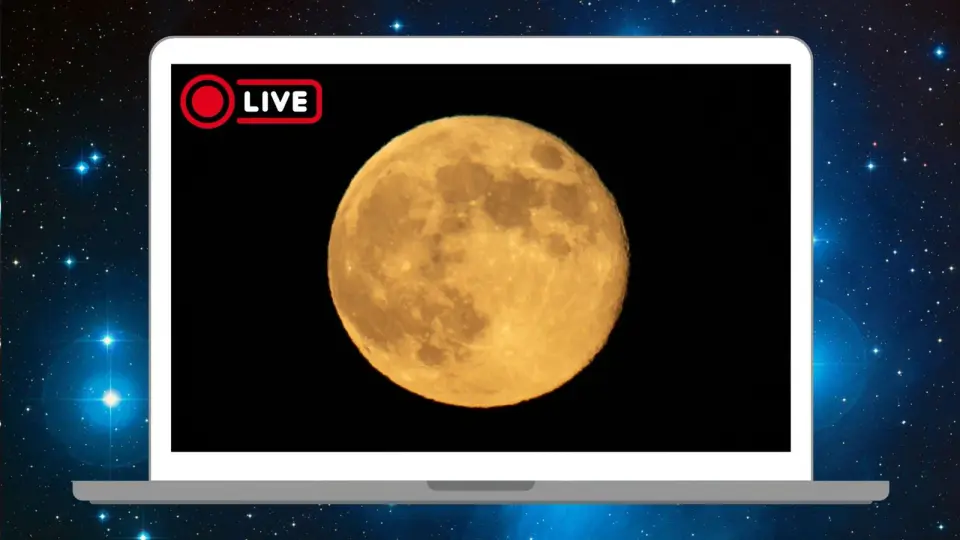
The November full moon, known as the Beaver Moon, reached peak illumination on Nov. 24, 2026, at 9:53 a.m. EST. This event marks the beginning of a three-month streak of supermoons, with subsequent peaks scheduled for Dec. 23 and Jan. 22, 2027. Although the peak occurred during daylight hours in the United States, the moon remained visible and nearly full throughout the evening. The supermoon appears up to 14% larger and 30% brighter than the smallest full moon of the year, though the visual difference is subtle to the naked eye. Viewers are advised to look for the moon low on the horizon after sunset to maximize the optical illusion of size.
Key points
- Peak illumination occurred at 9:53 a.m. EST on Nov. 24, 2026, during daylight hours for most of the U.S.
- The event is the first of three consecutive supermoons, with the next occurring on Dec. 23, 2026, and Jan. 22, 2027.
- Supermoons occur when the full moon coincides with perigee, the moon's closest point to Earth in its elliptical orbit.
- The moon appears up to 14% larger and 30% brighter than a micromoon, but the difference is difficult to discern without comparison.
- The Virtual Telescope Project offered a free livestream of the event from robotic telescopes in Italy.
Background
Previous coverage noted that this lunar event was anticipated to launch a multi-month streak of supermoons, with some earlier reports suggesting a four-month streak, though current consensus from major outlets confirms three consecutive events. The phenomenon has been linked to potential tidal effects, though the primary focus remains on public observation and stargazing.
How outlets are covering it
Outlets generally agree on the timing and astronomical mechanics, but differ slightly on the visual impact. CNN and National Geographic emphasize that the size difference is nearly indistinguishable to the naked eye, attributing the perceived enlargement to the 'moon illusion' when the moon is near the horizon. Time Magazine highlights the cultural naming conventions, noting the Beaver Moon is also known as the 'digging moon' or 'deer rutting moon.' Space.com focuses on the accessibility of the event through livestreams, while CNN and National Geographic provide practical viewing tips, such as using binoculars to see lunar surface details. There is a minor discrepancy in the number of consecutive supermoons, with some earlier archive entries mentioning four, but current sources consistently cite three.
Why it matters
The event provides a significant opportunity for public engagement with astronomy, encouraging observation of lunar features and the broader night sky. It also serves as a reminder of the moon's orbital mechanics and the subtle variations in its appearance due to its elliptical path. For scientists, the supermoon offers a chance to study tidal forces and lunar surface details, while for the general public, it is a chance to appreciate the beauty of the night sky without specialized equipment.
What to watch
The next supermoon, known as the Cold Moon, is scheduled to peak on Dec. 23, 2026. Following that, the Wolf Moon will peak on Jan. 22, 2027. Skywatchers are also encouraged to observe the Geminid meteor shower, peaking Dec. 13-14, and the Ursid meteor shower, peaking Dec. 21-22. The Virtual Telescope Project may offer additional livestreams for future lunar events, and NASA continues to emphasize the importance of lunar exploration for future missions.
- Watch November's full Beaver Moon live online today with supermoon livestream Space
- How and when to watch November’s beaver moon CNN
- A Supermoon Is About To Meet The ‘Seven Sisters’ In The Night Sky Forbes
- A Spectacular Streak of Supermoons Is About to Begin National Geographic
- What to Know About The Supermoon Appearing This Thanksgiving Week Time Magazine
Want the full story? Read the original reporting
Read on Space