
2026 Midterms: 50 Key Races Define the Next Era of American Leadership
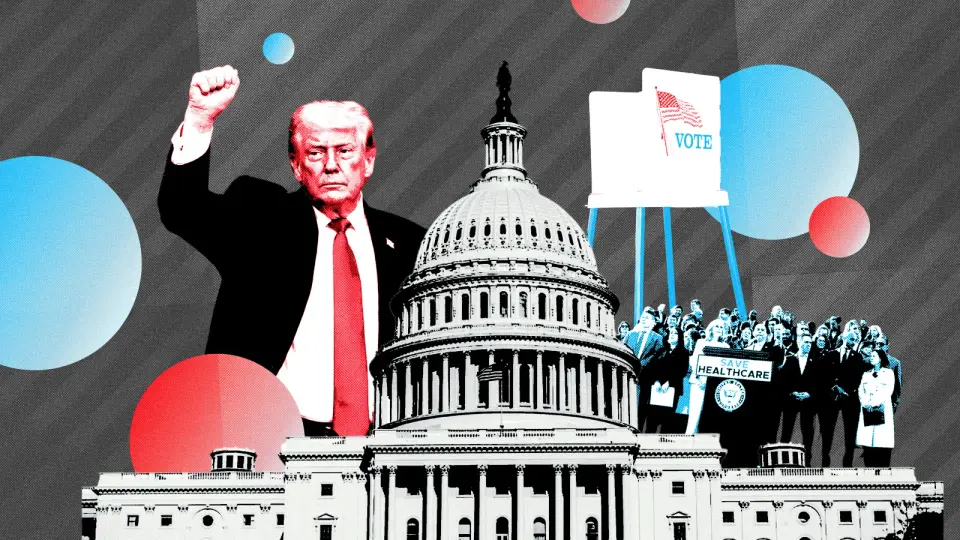
The November 3, 2026, midterm elections feature a comprehensive performance review of President Donald Trump’s administration, with all 435 House seats and 33 Senate seats up for grabs. Beyond federal offices, 36 states are electing governors, and dozens of other statewide positions, including secretaries of state and utility regulators, are on the ballot. These races will determine the balance of power in Congress, the implementation of federal agendas at the state level, and the administration of the 2028 presidential election. Key contests include the U.S. Senate races in Alaska, Arkansas, and Kansas, as well as gubernatorial races in Florida, Georgia, and Ohio. The outcomes will signal whether Democrats can achieve a 'blue wave' or if Republicans will maintain their hold on key institutions, with significant implications for immigration, election reform, and energy policy.
Key points
- All 435 U.S. House seats and 33 U.S. Senate seats are contested in the 2026 midterms.
- 36 states are electing governors, who will influence the implementation of federal policies like immigration and election reform.
- Secretary of State races in Indiana and Michigan are critical for administering the 2028 presidential election and resisting or supporting election integrity measures.
- Utility regulator races in Oklahoma and Nevada will impact the proliferation of data centers and energy infrastructure.
- Redistricting litigation in Alabama and Louisiana has altered the political landscape, affecting the competitiveness of congressional districts.
- Key Senate races in Alaska, Arkansas, Kansas, and Minnesota are pivotal for determining control of the upper chamber.
Background
The 2026 midterms follow a period of intense political polarization and redistricting battles. Recent archive coverage highlights President Trump’s defensive campaigning in conservative strongholds like Alabama and Ohio, as well as former President Barack Obama’s counter-rallies in swing states like Ohio and Michigan. Early voting surges in Texas, North Carolina, and Georgia indicate high engagement, though analysts caution that final outcomes depend on rural and undecided voter mobilization. The current cycle is characterized by a focus on accountability, economic concerns, and the potential for a Democratic 'blue wave' to challenge Republican dominance in Congress and statehouses.
Why it matters
The 2026 midterms will determine the balance of power in Congress, the ability of the executive branch to implement its agenda, and the direction of state-level policies. Control of the Senate and House will shape federal funding, legislation, and oversight of the Trump administration. State governors and secretaries of state will influence the administration of elections, immigration enforcement, and energy policy. The outcomes of these races will also signal the level of public support for the current administration and set the stage for the 2028 presidential election. Key races in swing states and red states will test the resilience of both parties and the potential for political realignment.
What to watch
Voters will cast their ballots on November 3, 2026, with early voting already underway in several states. The results will determine the composition of the U.S. House and Senate, the governors of 36 states, and other statewide offices. The outcomes will influence the implementation of federal policies, the administration of the 2028 presidential election, and the direction of state-level legislation. Key races in Alaska, Arkansas, Kansas, and Minnesota will be closely watched for their impact on Senate control, while gubernatorial races in Florida, Georgia, and Ohio will determine historic firsts and the balance of power in key states.
Want the full story? Read the original reporting
Read on USA Today