
Polls reveal persistent Republican distrust in 2026 midterm results despite Democratic sweep
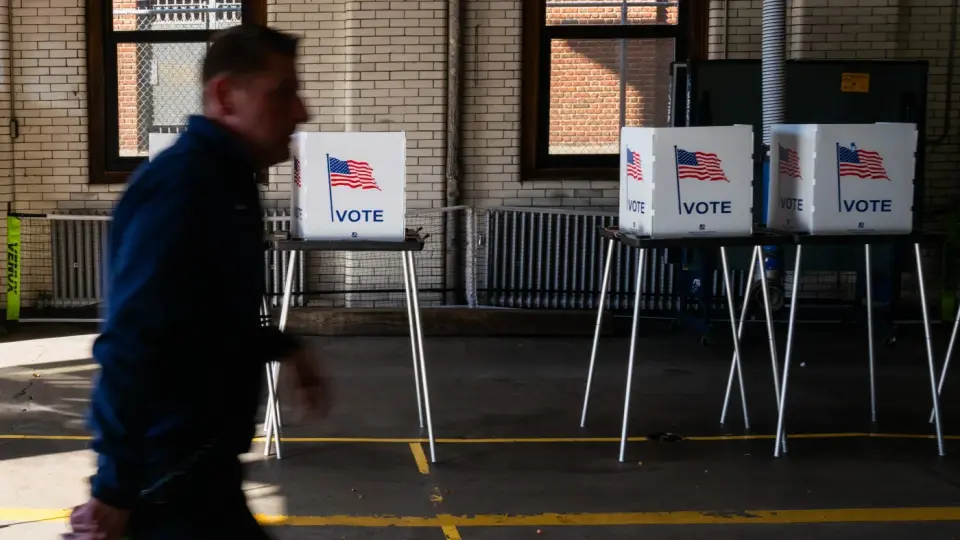
A new University of California San Diego poll indicates that less than half of Republican voters believe the 2026 midterm elections were free and fair, despite a Democratic victory. While 66% of Americans overall trust the results, a significant partisan gap persists, with only 52% of Republicans trusting vote counts. This marks a 30-point drop in confidence compared to the 2024 election, though it remains an improvement over 2020 levels. Experts note that while most election-denying candidates lost, a receptive audience for skepticism remains within the GOP base.
Key points
- Only 52% of Republicans trust vote counts, compared to over 80% after the 2024 election.
- 66% of all Americans believe the midterms were fair, a post-election increase driven by Democrats and independents.
- Just 15% of Republicans believe politicians discuss voter fraud too much, indicating ongoing demand for such claims.
- Most candidates who denied election results lost their races in 2026, according to States United Action.
- The 30-point swing in Republican confidence between 2024 and 2026 is larger than typical post-election dips.
Background
Prior to the November 3 election, prediction markets and polls indicated a high probability of a Democratic sweep of Congress, with Democrats favored to flip Senate seats in red states like Texas and Kansas. Earlier polling in October showed that while Americans generally trusted vote counting, many doubted President Trump would accept a Republican defeat. A recent profile also highlighted that White House chief of staff Stephen Miller had confidently predicted a Republican victory a year prior, despite the party's subsequent losses.
Why it matters
The data suggests that while the immediate political consequences of election denial have diminished with the loss of skeptical candidates, the underlying distrust among the Republican base remains a significant factor in American political discourse. This persistent gap could influence future legislative debates on voting regulations and continue to shape public perception of electoral integrity.
What to watch
Analysts will monitor whether the current distrust translates into policy changes or continued political polarization. The focus will likely shift to the 2028 election cycle, where GOP state officials are already pushing to revive mail voting restrictions, and to how the remaining Republican leadership navigates the tension between accepting results and maintaining base support.
Want the full story? Read the original reporting
Read on NPR