
Trump Administration Seeks Supreme Court Ruling to Limit Judges’ Power to Void Federal Regulations
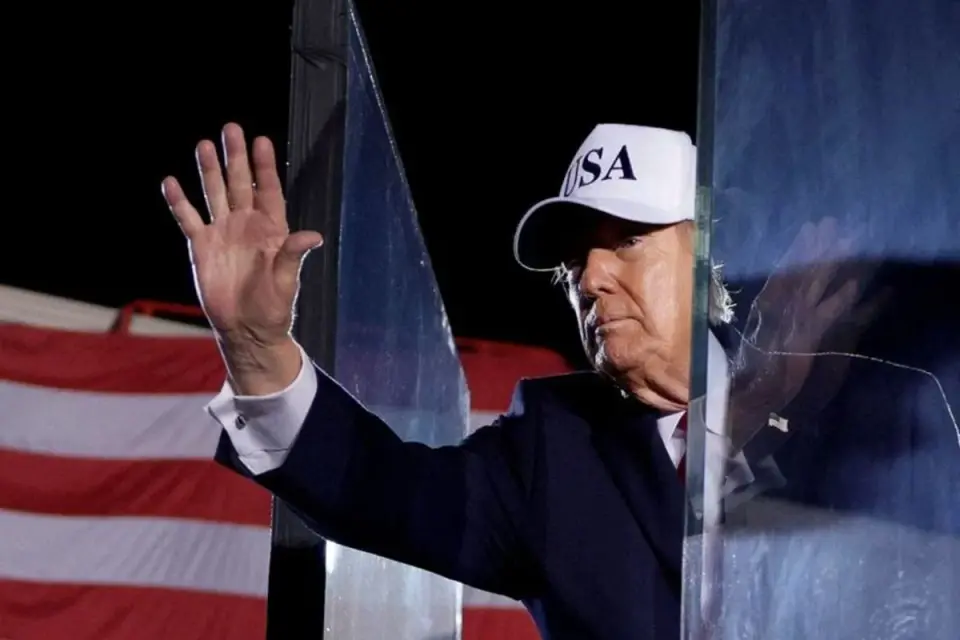
The Trump administration has appealed to the Supreme Court to restrict federal judges' ability to invalidate agency regulations nationwide under the Administrative Procedure Act. The move follows a 2025 ruling that limited universal injunctions and aims to further insulate executive policies from broad legal challenges. If successful, courts could only block regulations for specific plaintiffs, allowing the government to enforce rules against the general public even after judges deem them unlawful.
Key points
- The Justice Department filed an appeal urging the Supreme Court to curtail the use of the Administrative Procedure Act (APA) to void agency regulations on a universal basis.
- The administration argues that courts should only grant relief to the specific plaintiffs in a case, not invalidate regulations for everyone, mirroring the 2025 ruling on universal injunctions.
- The case stems from a Texas medical providers' challenge to federal rules on 'surprise' medical bills, which the 5th Circuit Court of Appeals partially voided nationwide in August 2025.
- Proponents of the judicial tool, including state governments, argue it is essential to curb executive overreach and maintain uniform regulations, while the administration views it as an impediment to policy implementation.
- Legal experts note that a win for the administration would allow the government to continue enforcing rules broadly against the public even after courts deem them unlawful, potentially for years during litigation.
Background
This appeal follows a significant 2025 Supreme Court ruling that restricted the use of universal injunctions, a major victory for the Trump administration in its bid to limit judicial interference with executive actions. The current push targets the Administrative Procedure Act, a 1946 law that governs federal agency operations and has been used to challenge policies on immigration, diversity initiatives, and transgender rights. Recent archive coverage highlights ongoing tensions between the executive and judicial branches, including a 2026 ruling where a judge blocked a White House media ban, and Justice Elena Kagan's criticism of the Supreme Court's political role. The administration's strategy reflects a broader effort to insulate its policy agenda from legal challenges, even as it faces opposition from states and legal scholars who view the APA as a critical check on executive power.
Why it matters
The outcome of this case could fundamentally reshape the balance of power between the executive and judicial branches. If the Supreme Court sides with the administration, it would significantly weaken the ability of courts to invalidate federal regulations nationwide, potentially allowing the government to enforce policies deemed unlawful by judges against the general public. This could have far-reaching implications for areas such as immigration, healthcare, and civil rights, where the APA has been a key tool for challenging executive actions. The decision may also influence future litigation and the scope of judicial review in administrative law cases.
What to watch
The Supreme Court is expected to consider whether to take up the case early next year. If accepted, the court will decide whether the APA allows judges to invalidate regulations universally or only for specific plaintiffs. The administration may face pushback from state governments and legal experts who argue that the APA is essential to maintaining the balance of power and ensuring uniform regulations. The case could set a precedent for how federal courts handle challenges to executive actions in the future.
Want the full story? Read the original reporting
Read on Yahoo