
US-Canada Trade War Escalates as Trump Threatens 50% Auto Tariffs
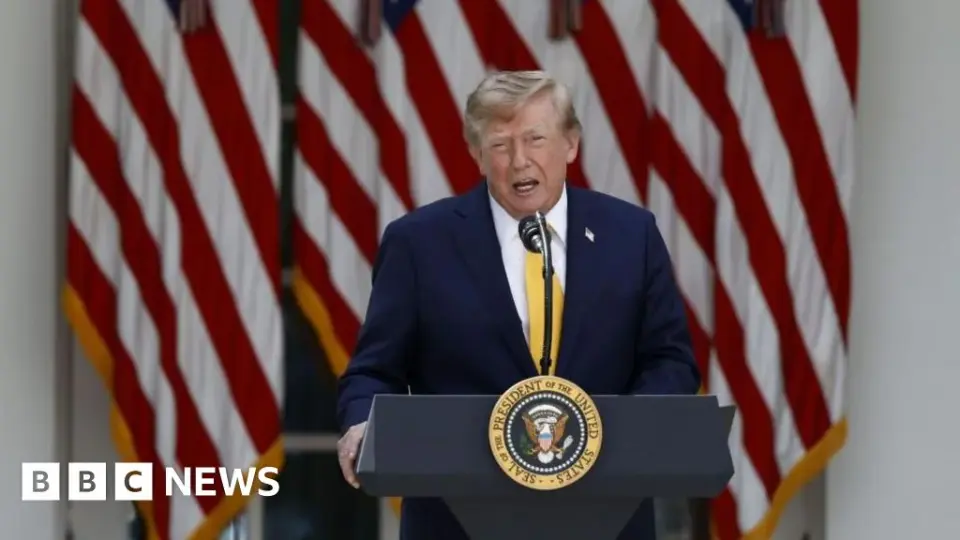
The US-Canada trade dispute has intensified after President Donald Trump threatened to double tariffs on Canadian automobiles to 50% starting January 1, 2027. This move follows the collapse of trade negotiations late last week, where both sides accused each other of making unreasonable last-minute demands. Prime Minister Mark Carney has vowed to retaliate with reciprocal tariffs, while Ontario Premier Doug Ford has issued blunt warnings to Washington. The breakdown in talks threatens the future of the USMCA trade pact, which underpins $1.6 trillion in North American trade, and has raised concerns about a potential Canadian recession.
Key points
- Trump threatened to raise tariffs on Canadian cars, trucks, and auto parts from 25% to 50% effective January 1, 2027.
- Trade talks collapsed late last week after a US-imposed deadline, with both sides blaming the other for unreasonable demands.
- Prime Minister Mark Carney vowed to impose reciprocal 'dollar-for-dollar' tariffs on US goods starting September 8.
- Ontario Premier Doug Ford criticized Trump, suggesting Canada should charge extra for oil, gas, and electricity.
- The USMCA trade pact, which underpins $1.6 trillion in trade, faces uncertainty as the US refuses to renew it in its current form.
Background
This escalation follows earlier tensions in August 2026, when Trump first threatened 50% tariffs on Canadian autos and steel. At that time, Canada signaled readiness to retaliate and emphasized its fiscal capacity to weather the impact, while warning that small businesses and workers would suffer. The current breakdown in talks marks a significant shift from earlier optimism that a new trade deal could be reached.
How outlets are covering it
BBC and AP News highlight the mutual accusations of unreasonable demands that led to the collapse of negotiations. CNBC emphasizes the market impact, noting that the new levies mark a 'stunning about-face' from just days earlier when leaders signaled a deal was close. While BBC and AP focus on the political rhetoric, including Doug Ford's blunt warnings, CNBC frames the situation as a 'speedbump' for Wall Street, which is already under pressure from rising Treasury yields and government spending concerns.
Why it matters
The escalating trade war threatens the stability of the USMCA, a critical trade agreement underpinning $1.6 trillion in North American commerce. Experts warn that the unraveling of USMCA could plunge Canada into recession and leave it on a permanently lower growth path. The dispute also raises concerns for businesses on both sides, with Canadian firms warning that 'half my business will be gone' if the tariffs are implemented.
What to watch
Canada plans to impose reciprocal tariffs on US goods starting September 8. Trump has threatened further consequences if Canada does not 'fall in line.' The future of the USMCA remains uncertain, with the US refusing to renew it in its current form. Canada is also investing C$11 billion in icebreakers to diversify trade routes and reduce reliance on the US.
- US-Canada trade war escalates as Trump threatens tariff hike on autos after Carney vows to retaliate BBC
- Trump Threatens Even Higher Tariffs on Canadian Exports After Talks Unravel The New York Times
- Lutnick’s Intervention in Canada Talks Draws Praise and Blame Bloomberg
- What to know about Trump's tariffs on Canadian goods and rising tensions between once-close allies AP News
- Canada tariffs, Bessent's buyback funding, Scott Kirby's plans for United and more in Morning Squawk CNBC
Want the full story? Read the original reporting
Read on BBC