
Xi's White House visit yields limited trade gains amid high-profile pageantry
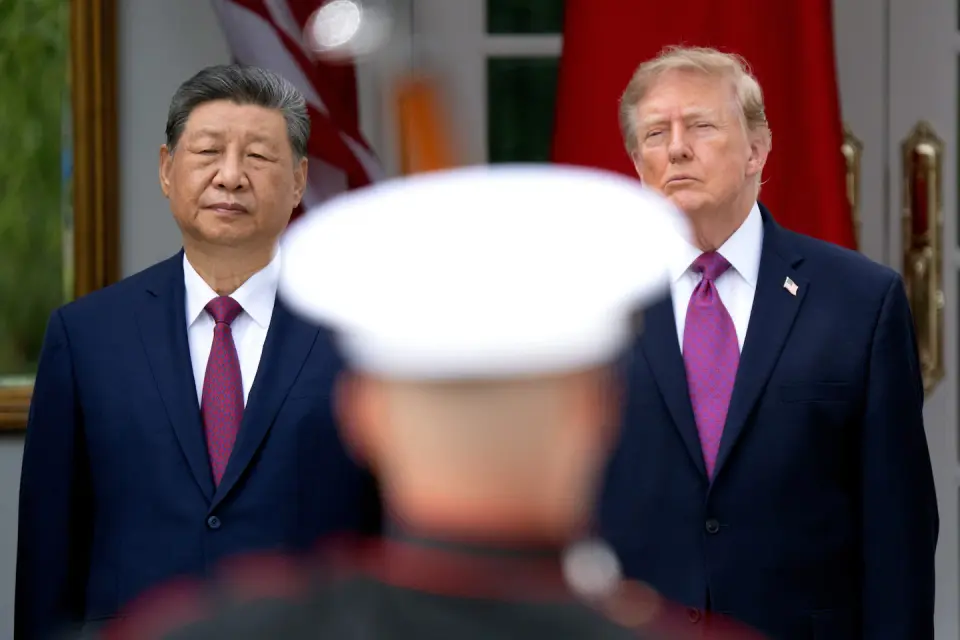
Chinese President Xi Jinping and US President Donald Trump held a state dinner and military review at the White House, projecting a warm relationship despite unresolved core disputes. The leaders extended a trade truce by only two months, falling short of Beijing's hopes for a longer-term deal. While the US sought manufacturing investment and AI cooperation, China pressed for restraint on Taiwan and Iran. The summit emphasized optics and personal diplomacy over concrete policy breakthroughs, with key issues like tariffs and rare earth supplies deferred to future negotiations.
Key points
- The trade truce was extended from November to January, a shorter duration than Beijing hoped for, indicating US demands for further Chinese concessions.
- Trump made a rare trip to Joint Base Andrews to greet Xi, signaling a deferential diplomatic approach, while Xi reiterated that US arms sales to Taiwan are a red line.
- Discussions on artificial intelligence focused on human control, but no binding agreements or summits were announced, with Trump dismissing AI extinction fears.
- The state dinner featured a pescatarian menu and red-themed decor, emphasizing cultural diplomacy, while Xi announced the arrival of pandas in Atlanta.
- US automakers and lawmakers continue to push for blocking Chinese electric vehicles, despite Trump's previous openness to Chinese manufacturing if it employs American workers.
Background
This summit follows a May visit by Trump to Beijing, where Xi warned that mishandling Taiwan could lead to conflict. Recent months have seen China gain leverage amid the Iran war, with Beijing brokering a truce but wary of deeper involvement. The current visit marks a shift in Trump's approach from confrontation to courtship, though analysts caution that US-China competition remains fierce.
How outlets are covering it
The Washington Post emphasizes the pageantry and competing priorities, noting Washington sought manufacturing investment while Beijing pressed Taiwan concerns. The BBC highlights that Xi did not get everything he wanted, particularly on the trade truce duration, and notes China's domestic economic struggles. The Atlantic focuses on Trump's deference in greeting Xi at the airport, suggesting a conciliatory role. Fox News details the pescatarian menu and cultural decor, contrasting it with Trump's usual dining habits. All sources agree on the lack of concrete progress on AI and Taiwan, but differ on the interpretation of the diplomatic tone, with The Atlantic viewing it as deferential and the BBC as a strategic win for Beijing's optics.
Why it matters
The summit's limited outcomes on trade and AI suggest that US-China tensions will persist, with key disputes deferred to future negotiations. The emphasis on optics and personal diplomacy may mask underlying competition, but the extension of the trade truce provides a temporary reprieve from tariff escalation. The lack of progress on Taiwan and AI could have long-term implications for global security and technological leadership.
What to watch
The two leaders are expected to visit the National Archives on Friday before Xi departs. Future negotiations on tariffs, rare earth supplies, and advanced chip access are likely to continue, with the US demanding more from China before offering longer-term concessions. The arrival of pandas in Atlanta may signal a resumption of cultural diplomacy, but core strategic issues remain unresolved.
- For Trump and Xi, a day of pageantry and competing priorities The Washington Post
- Hundreds gather to protest China's occupation of Tibet, during Xi Jinping's visit wusa9.com
- Xi Jinping got the red carpet treatment from Trump - but not everything he wanted BBC
- The Deferential President The Atlantic
- What's on the menu for Trump's state dinner with China's Xi? One American staple is notably missing Fox News
Want the full story? Read the original reporting
Read on The Washington Post