
Purdue Expedition Reaches Nikumaroro Amid Debate Over Earhart's Fate and Coconut Crab Threats
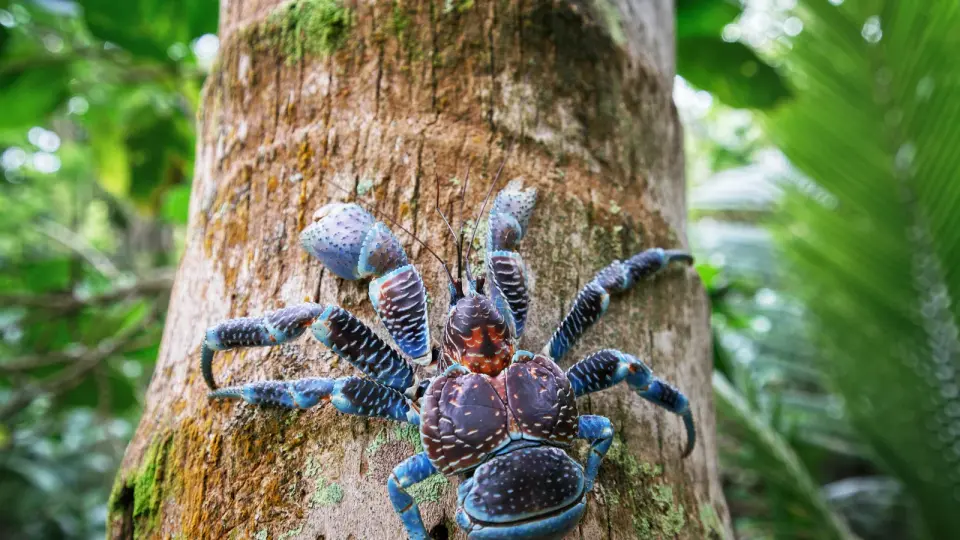
A research team from Purdue University and the Archaeological Legacy Institute has arrived at Nikumaroro Island in Kiribati to investigate the 'Taraia Object,' a potential wreckage site of Amelia Earhart's 1937 plane. While the expedition faces logistical challenges, including giant coconut crabs, experts remain divided on whether Earhart died as a castaway on the island or perished in the ocean near Howland Island.
Key points
- The expedition, departing Kiribati's capital on Oct. 2, arrived at Nikumaroro by Oct. 12 to inspect the Taraia Object, first seen in 2020 satellite imagery.
- Team members, including Steve Schultz of Purdue, confirmed they leave the island before sundown nightly due to the threat of large, meat-eating coconut crabs.
- The team aims to determine if the object is the Lockheed 10-E Electra, which Earhart and navigator Fred Noonan piloted during their 1937 circumnavigation attempt.
- Skeptic Ric Gillespie, a historic aircraft recovery specialist, argues the object is likely a fallen tree and that the plane was destroyed by ocean surf long ago.
- The official US government determination remains that Earhart ran out of fuel and crashed into the Pacific, though no physical evidence has been recovered.
Background
Amelia Earhart disappeared on July 2, 1937, after departing Lae, Papua New Guinea, with 7,000 miles remaining in her attempt to fly around the world. The US government conducted a massive 16-day search involving 4,000 personnel but found no trace. Previous expeditions, including a 2024 sonar search near Howland Island, failed to locate the aircraft, with some results proving to be rock formations. A 2013 Smithsonian article highlighted a theory that Earhart survived a crash on Nikumaroro but was killed by coconut crabs, a claim supported by 1940 skeletal remains found on the island.
How outlets are covering it
USA TODAY emphasizes the physical dangers of the expedition, highlighting the 'bird-eating behemoths' and the team's precautionary measures. BBC and CNN focus on the scientific debate, contrasting the Archaeological Legacy Institute's hope for a discovery with Ric Gillespie's skepticism that the Taraia Object is merely a tree. CNN provides historical context on the 1937 radio communications and the official fuel exhaustion theory, while noting the lack of two-way communication with the US Coast Guard vessel Itasca. The Purdue University source was an access error page and provided no content.
Why it matters
This expedition represents the latest attempt to solve one of aviation's most enduring mysteries. A confirmed discovery would validate the 'castaway' theory, challenging the official narrative of a simple fuel exhaustion crash. Conversely, a negative result would further support the hypothesis that the plane and crew were lost in the deep Pacific, potentially closing a chapter on decades of speculation.
What to watch
The team will conduct on-site analysis of the Taraia Object to determine its composition and origin. Results will likely be released in the coming weeks, potentially providing definitive evidence or further fueling the debate between the castaway and ocean crash theories. No further expeditions are scheduled, but the outcome may influence future funding for deep-sea searches near Howland Island.
- Amelia Earhart expedition team heads to island of huge, hunting crabs USA Today
- Expedition hopes to find aviator Amelia Earhart's plane on remote island BBC
- Finding Amelia: The enduring quest to solve Amelia Earhart’s disappearance CNN
- Earhart expedition update: Crew at sea, expected to arrive on Nikumaroro in 72 hours Purdue University
- Amelia Earhart expedition heads to Pacific atoll hoping to find her plane Reuters
Want the full story? Read the original reporting
Read on USA Today